
Neuron Soundware sells drone-sound sensors for €150 and wants power grids first
Its AI Sound Shield system uses €100 to €150 microphones to flag low-flying drones without radar.
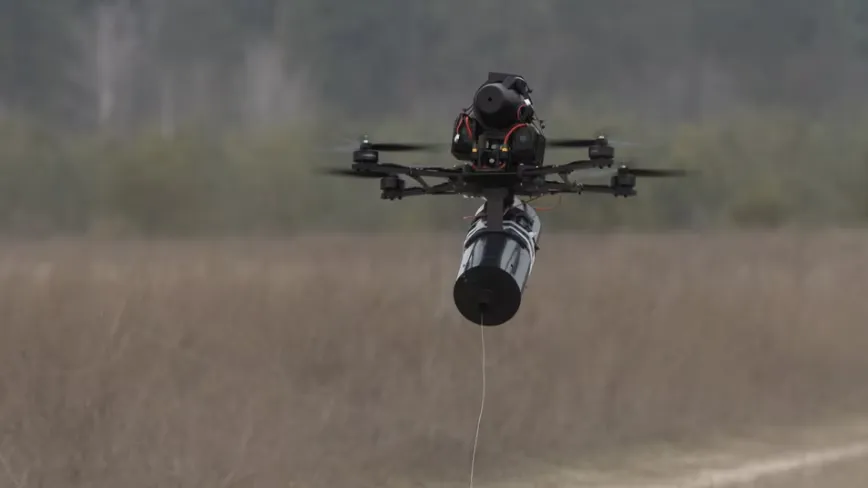
Neuron Soundware, a Czech AI startup, built Sound Shield, an acoustic detection system that identifies drones from engine sound using microphone sensors costing between €100 and €150 each. The company says it will deploy first around power grids, using a passive, low-cost approach positioned as an alternative to radar for low-flying drones over cities and sensitive sites.
Neuron Soundware, a Czech AI startup, is betting that the next drone safety wave will start with something you already have: a microphone. Its product, Sound Shield, uses AI to detect and identify drones based on the sound of their engines, and it does this with microphone sensors that cost between €100 and €150 each. The pitch is simple but strategically loaded: build a passive, low-cost system that can watch for low-flying drones over cities, infrastructure, and military installations without relying on radar.
Why that matters now is because “low-flying drone detection” is not just a technical problem. It is an operations and risk problem. Radar systems are expensive and can be harder to scale densely, especially across large areas where you want persistent coverage. Neuron Soundware’s framing positions Sound Shield as a way to fill that gap with sensors you can distribute, because the unit economics are designed for deployment, not prototypes.
Sound Shield is described as a passive detection system, meaning it listens rather than actively scanning the airspace. That passive approach is a deliberate tradeoff. Radar can be powerful at detection and tracking, but it comes with cost, complexity, and infrastructure overhead. Acoustic detection, if it works reliably in the messy real world of urban noise, offers a practical alternative: you can potentially place sensors where they make sense and let the AI do the pattern recognition. In Neuron Soundware’s case, the AI identifies drones specifically by engine sound, which implies the system is aimed at differentiating drone signatures rather than just detecting “something is making noise.”
The company is also explicit about where it wants to go first: it wants to wire up power grids before other targets. That deployment order is not an afterthought. Power grid operators are the kind of customer who think in terms of infrastructure continuity, incident response, and layered defenses. Drones near critical assets are a recurring concern across many countries, and low-flying drones are especially tricky because they can move in ways that make conventional defenses harder to position. If your first customers are operators tasked with protecting physical infrastructure, a sensor network that can be scaled and distributed becomes easier to justify than a single expensive radar site.
There is a second-order strategic implication here for anyone building or buying security tech: the buyer’s question often becomes “can we cover enough area, well enough, for long enough?” Acoustic systems are attractive because they can, in theory, be deployed in quantity. Neuron Soundware’s sensor cost range of €100 to €150 per unit hints at a business model built for broad coverage rather than bespoke, high-cost installations. That changes how procurement might work. Instead of one-time capex for a limited footprint, the system could look more like a network you expand.
It is also worth noting how the company positions the technology. Neuron Soundware calls Sound Shield a low-cost alternative to radar for detecting low-flying drones. That framing matters because it is directly addressing a common objection: “radar is the gold standard, so why replace it?” The answer they offer is not that radar is obsolete, but that acoustic detection can deliver a different kind of coverage, particularly in scenarios where drones are low and where you want passive sensing over cities, infrastructure, and military installations. In other words, Sound Shield is positioned as part of a layered approach, even if the source focuses on the alternative framing.
For decision-makers, the operational stakes are high because drone detection quickly turns into downstream actions. Detection is only useful if it triggers procedures: alerting operators, adjusting security posture, coordinating with response teams, or investigating anomalies. A sensor network with microphones implies a different workflow than radar tracking. You are listening, classifying, and flagging based on sound signatures, which can mean shorter time-to-notice in some scenarios if sensors are placed at the right points. But it also means you need confidence that the AI can handle real-world noise, engine variations, and day-to-day environmental changes. Neuron Soundware’s public claim is centered on identification by engine sound, which is the part that would have to perform under scrutiny.
Finally, the “power grids first” move signals where the company believes early traction will come from: critical infrastructure operators who need scalable defenses and are motivated to invest in systems that can be deployed across large assets. If that logic holds, Sound Shield could influence how other security and defense-adjacent teams think about drone threats. The board-level takeaway for executives is that drone countermeasures are shifting from bespoke, high-cost sensing to distributable, lower-cost networks, and the companies that can align unit economics, deployment pathways, and operational integration are likely to get the first serious pilots.
This story's Key Insights and Take-aways are locked.
Create a free account to unlock Executive Actions for one credit.
Register to UnlockAlways free for Executives Club members. Join the Club
More in Technology

Nvidia's $89B data center quarter: the 9 companies cashing in
The AI buildout is minting fortunes beyond GPUs, and memory, cloud, and cooling suppliers are riding the same wave.
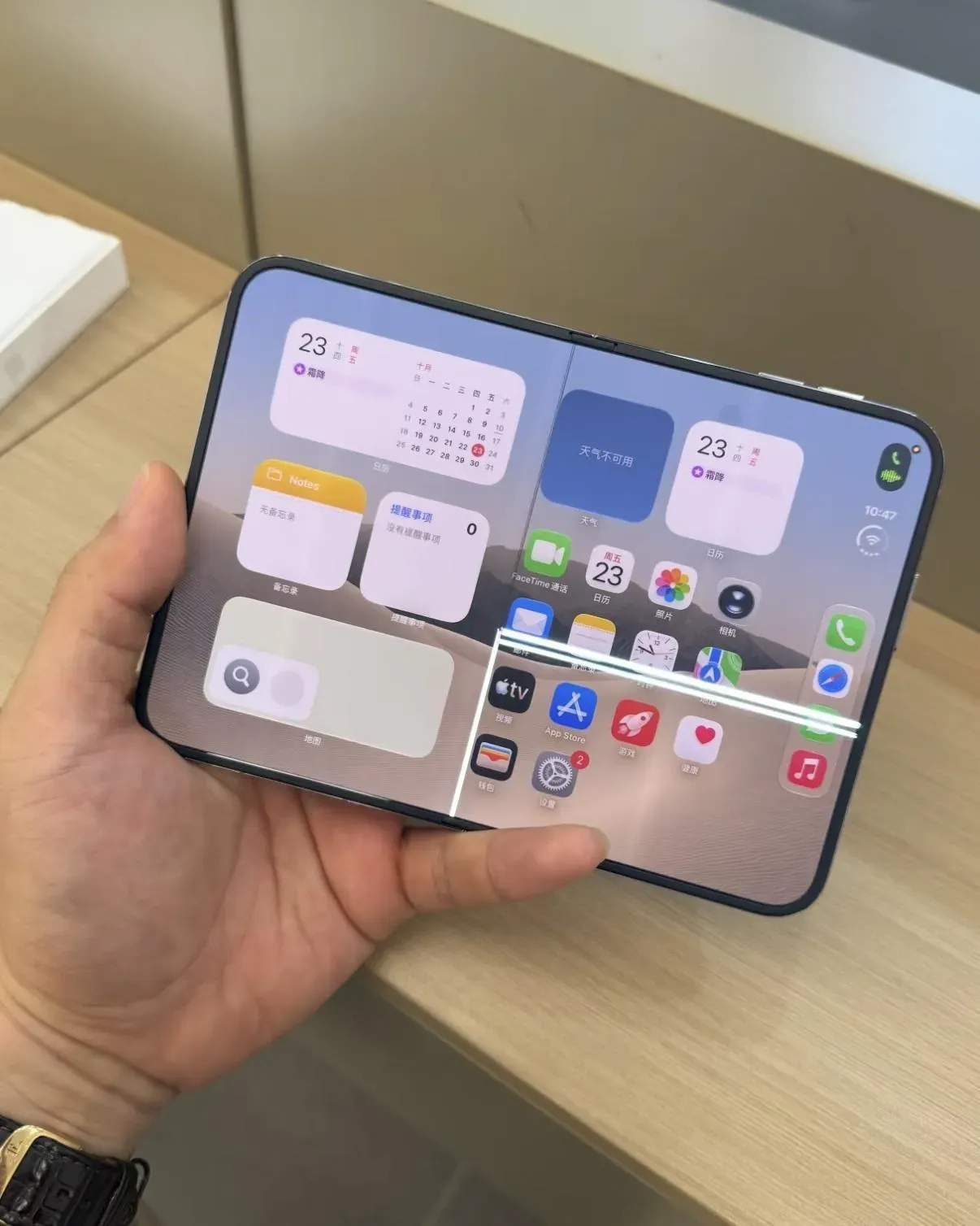
A YouTuber dissected the iPhone Duo and thinks he found crackgate's cause
CuriousHagi's teardown of Apple's foldable reveals a gear-like hinge that may explain why screens crack in the same spot within hours.

Google quietly links your phone number to every Android account on your SIM
Adding a SIM now ties your phone number to all Google accounts - and future accounts inherit it. Here's the security and privacy stakes.