
Neuroscape TCG is the Cyberpunk deck with two damage lanes, and it plays surprisingly fast
Kickstarter fulfills are mostly done, and the preview shows how baby-blue mainframe hits and red body damage reshape combat.
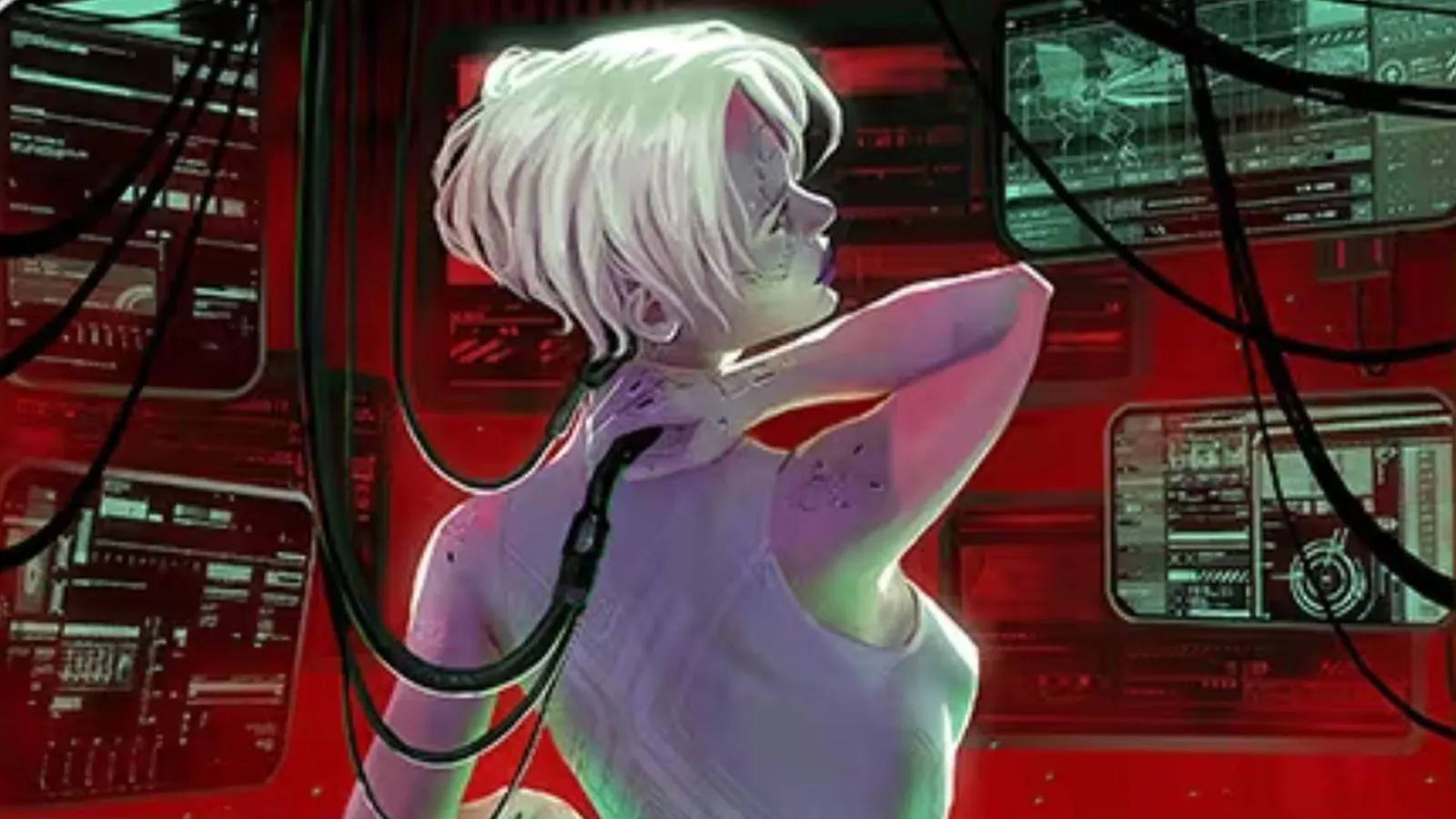
Neuroscape TCG, a Cyberpunk trading card game on Kickstarter, is set to release in stores globally later this year, with fulfillment mostly done. Its combat and resource system split damage and spending in ways that feel familiar to Magic and Pokemon players, but with its own twists.
Neuroscape TCG is coming to shelves globally later this year, after Kickstarter fulfillments are mostly done, and it takes Cyberpunk fans somewhere you do not get with every other TCG: two simultaneous “damage lanes.” Instead of one generic health bar where everything eventually funnels into attrition, Neuroscape asks you to bring your opponent to zero health through either their mainframe or their bioframe.
The split is built into the cards themselves. Attacks that target the mainframe are represented by baby blue attack numbers (or a mainframe-targeting symbol on an effect), while attacks that target the physical body are red. You are not just choosing cards, you are choosing what kind of harm matters this match. Like Magic: The Gathering, you select your attackers and they automatically aim for direct damage, then the defender responds by blocking or interrupting. The pressure is immediate and practical: the right mix of mainframe and body threat determines what your opponent has to answer.
That might sound like extra complexity, but the preview frames it as “two kinds of warfare to balance” without turning the match into a math exam. The closest comparison in the article is Star Wars: Unlimited, where you balance different battlefield theaters. Neuroscape does something similar conceptually, but it keeps both lanes on a shared playing field. Translation: you get the strategic tension of two damage types, without making positioning feel like a second game tacked on top.
The other big reason Neuroscape stands out is how it handles resources, because it is trying to borrow the comfort food of established card game design while swapping the seasoning. Instead of the deck containing resource cards, or cards that can turn into resources, Neuroscape uses a separate RAM deck to pay for your cards. That design choice matters because it changes how often you hit the “mana screw” feeling that can plague some TCGs. Even more importantly, the draw phase gives players three explicit options: ramp up two RAM into your pool, skip RAM and draw two cards, or add one RAM and draw one card.
This is a clever kind of control for a young game. The draw choice is basically a built-in “hand correction” knob, something the article notes is often limited in newer card games, especially when the opening hand is not great. But the RAM system also comes with a cost. RAM cards must be committed to characters that enter the field, meaning they are no longer available in your pool because they are powering the character. It is like the “where do I put my energy” decision in Pokemon, except here the decision is enforced by commitment to character entry.
The system then gives you an escape hatch, so you are not trapped by early misplays. If a character leaves the field due to damage or a force quit, the attached RAM is returned to the resource pool. Force quit is an owner-initiated option that happens at the beginning of the turn. When you force quit a character, the attached RAM is returned and becomes available to use immediately, even though this happens after the refresh step. That timing detail is the kind of thing that makes matches feel tighter: you still have to plan the turn flow, but you are not punished forever for having committed resources to the “wrong” body lane earlier.
Deck building then becomes about expressing a preference for how you attack both lanes. Neuroscape features many factions, and the premiere two-player starter kits include six: Hacker, Cybernetic, Corpo, Dustrunner, Mystic, and Thrasher. The factions are not just aesthetics. Hackers focus on mainframe damage (baby blue) and lean into program cards like single-target spell-like cards and trojans or trap cards. Cybernetics focus on physical damage (red) and often rely on gear, including cybernetic enhancements with a side effect called psychosis.
Corpo is the “money fixes everything” faction in theme and function, focusing heavily on ramping up RAM and resources so higher-cost cards arrive faster than other factions. Dustrunner builds around the tether keyword, connecting two characters to share benefits, plus tools to destroy RAM and elude targeting by bouncing to hand. Mystics showcase tarot cards as special program cards with interchangeable effects if certain cards are in play, and potentially powerful outcomes as tarot cards accumulate in the recycle bin or discard pile. Thrashers push destruction and unrelenting attacks, including Overrun, which lets characters deal excess damage to a player even when blocked.
One mechanic that ties the whole cyberpunk vibe into gameplay is the idea of hidden interference. You can play a hidden Trojan or trap program into one of your opponent’s mainframe slots. That means a mainframe is not only a target to attack. It is also a puzzle to defend, because you can block a slot and still be at risk of a card devastate you from hiding. On top of that, there is an environment program slot between the two players. Those environment cards affect both players, and, like stadium cards in Pokemon, you can destroy an existing environment by playing another environment on top of it. The preview’s core pitch here is customization beyond “slap in the strongest characters.” Mainframes include benefits tied to having a number of faction cards on the field, plus three slots for additional passive abilities.
There is also the practical reality that card games live and die on art and collecting. Neuroscape features original art from artists around the world who worked on popular series like Magic: The Gathering, Warhammer 40K, Star Wars, Netrunner, and Cyberpunk 2077. The article emphasizes that familiar-but-different cyberpunk takes beat reused art in some other TCGs. Rarity tiers are common, uncommon, rare, quantum rare, and chase serialized cards. It also mentions competitive event variants, ranging from participation promos to top-3 prize cards, because prizing is what keeps players showing up and staying active.
For decision-makers watching the card market behave like a recurring wave, Neuroscape is a useful signal. It is not just another “Cyberpunk skin.” It is betting that players want meaningful system differences: two damage types that are visible on the card, a separate RAM deck with explicit draw choices, and faction identities that map directly to how you win. If this deck hits its release window and retains the preview-friendly momentum, it is exactly the kind of competitive pressure that forces established publishers and new challengers alike to sharpen their differentiation, not just their aesthetics.
This story's Key Insights and Take-aways are locked.
Create a free account to unlock Executive Actions for one credit.
Register to UnlockAlways free for Executives Club members. Join the Club
More in Entertainment
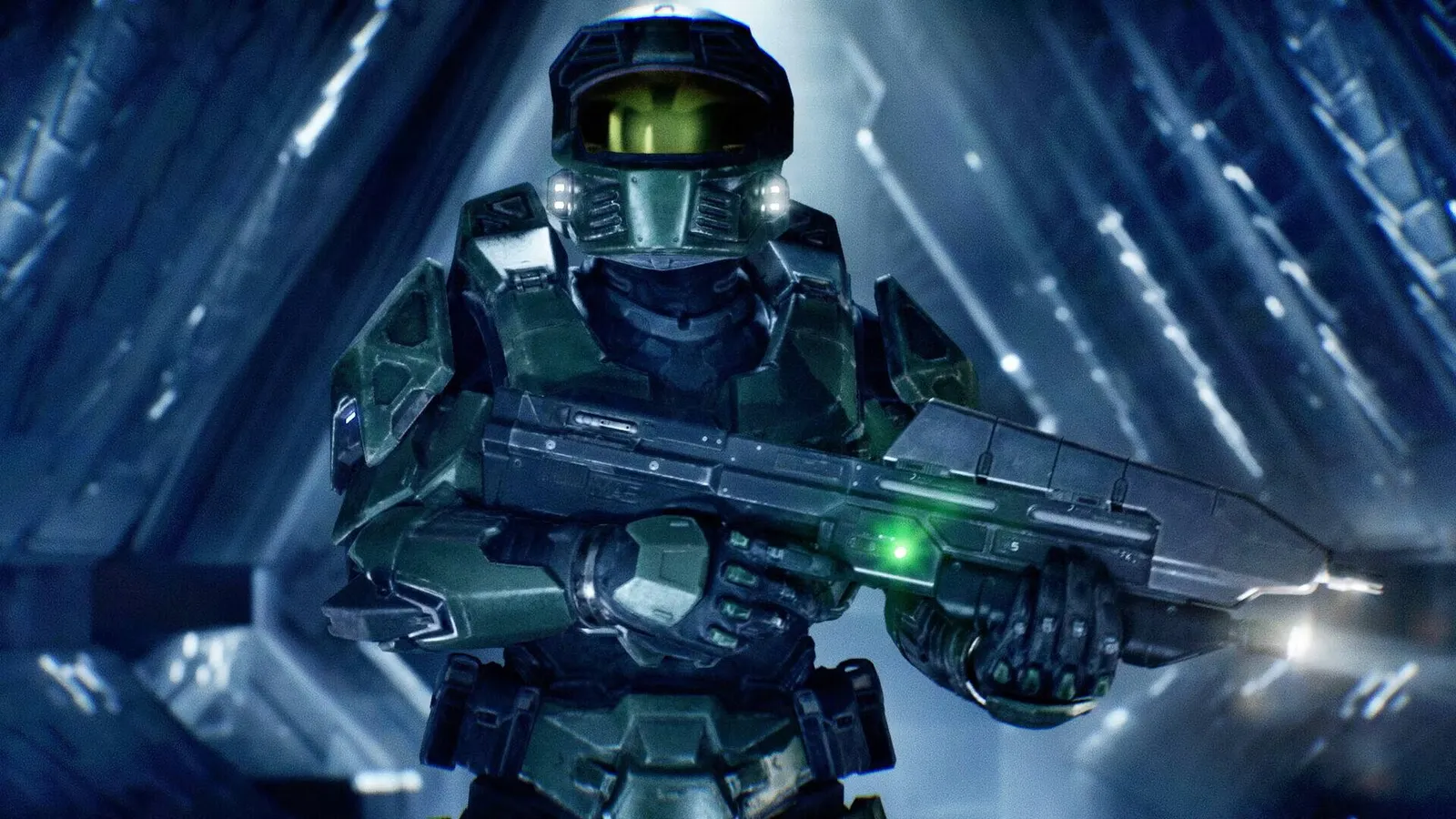
Halo: Campaign Evolved rebuilds the original in Unreal Engine 5, setting a remake benchmark
A full Unreal Engine 5 remake shows how studios can modernize legacy hits without erasing what made them great.
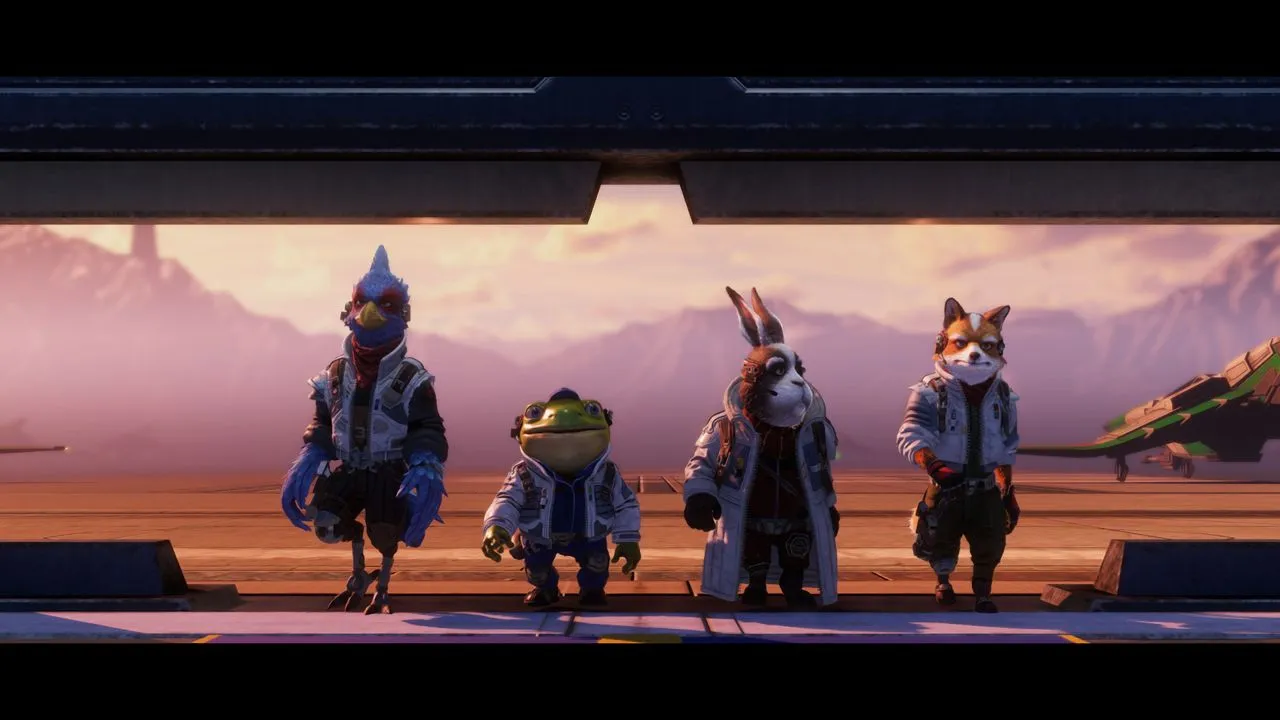
Miyamoto admits The Super Mario Galaxy Movie directly triggered Star Fox 64 Remake and Yoshi game
The director ties game releases to movie casting, with Nintendo treating synergy as a two-way development pipeline.
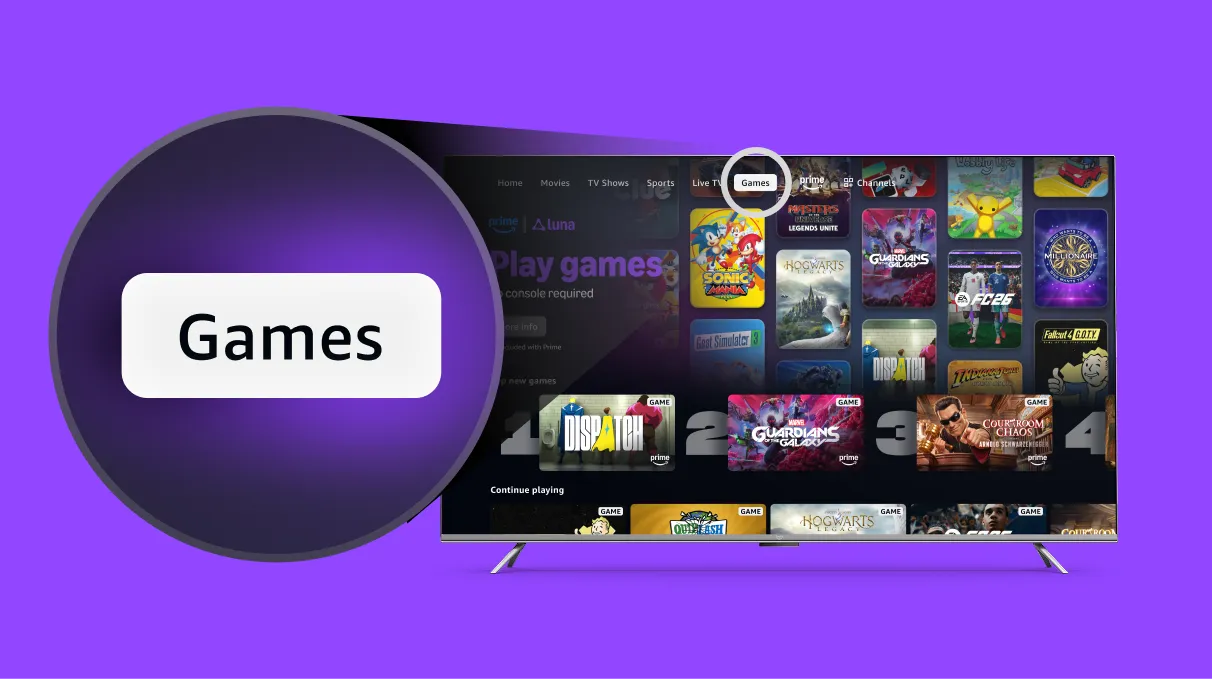
Amazon makes Luna games free on Fire TV for Prime members in U.S. and UK
A no-extra-charge add-on expands Luna access on Fire TV, signaling Amazon's next gaming bet after last year's relaunch.