
New egg-making research challenges the dogma that women stop after birth
If the lifelong egg bank model is wrong, it reshapes biology textbooks, fertility forecasts, and future biotech priorities.
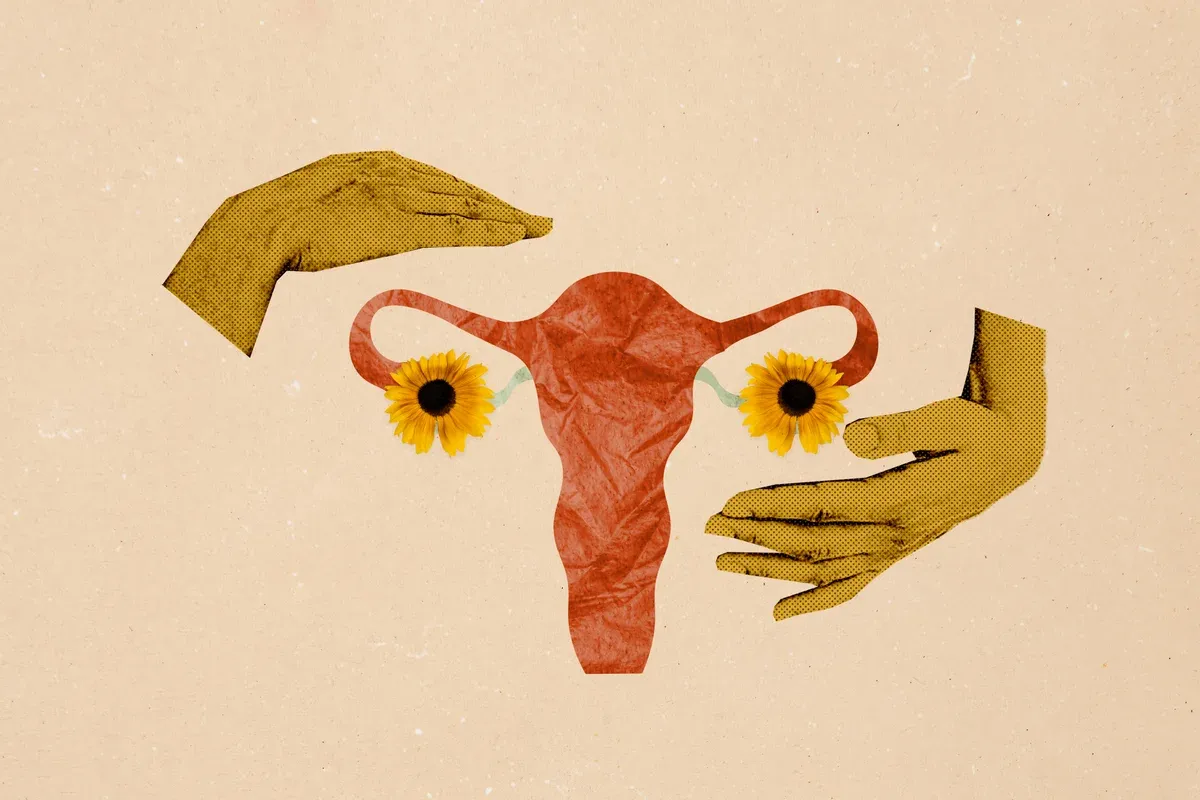
Scientific American reports new research challenging the long-held biological dogma that female mammals do not make new eggs after birth. For decision-makers, the consequence is a potential rethink of fertility science assumptions that underpin diagnostics, trials, and product roadmaps.
Female mammals have long been treated as if they are born with the eggs they will ever have. That idea, often described as a “biological dogma,” has been baked into how researchers frame ovarian biology, how clinicians talk about reproductive timelines, and how biotech teams design everything from fertility tests to interventions.
But Scientific American reports that “new research is challenging that consensus.” In other words, the standard model of a fixed egg supply after birth may not be the whole story. The significance here is not subtle. When the underlying biology changes, the meaning of years of data can shift too. The egg bank might be less of a bank and more of a system that can, at least under certain conditions, generate additional eggs.
Why does this matter beyond academic debate? Because the fixed-supply model affects how the whole industry calculates risk, value, and timing. Fertility science is a field where timelines are everything. If you believe the number of eggs is essentially determined at birth, then tests and therapies often focus on “how much capacity is left,” using markers that act like proxies for the remaining supply. But if new egg production happens after birth, then the same proxies might be incomplete or misleading. Executives building diagnostic platforms, running clinical trials, or investing in reproductive health startups should care because their assumptions about what is measurable and what is modifiable can be rewritten.
There is also the regulatory and evidence burden angle. For drugs, devices, and diagnostics, regulators expect claims to be supported by mechanism and outcomes. A challenge to a core biological premise does not automatically invalidate existing products, but it can raise new questions: Are clinical endpoints aligned with the biology? Are patient selection criteria still optimal? If additional egg production is possible, then fertility outcomes might depend not only on “remaining reserve,” but also on the conditions that permit or suppress egg development. That could translate into different trial designs, different endpoints, or different stratification strategies. Even without new regulations, the standards of scientific rationale in applications and scientific discussions can move.
Boards and investors, in particular, should think in terms of second-order effects. The reproductive health market has long been fed by demand for more accurate forecasting, more effective interventions, and fewer dead ends. If egg production after birth turns out to be real in meaningful contexts, then the opportunity set could expand. That does not mean every company’s pipeline suddenly becomes obsolete. But it does mean the competitive landscape could shift toward the organizations that can connect mechanistic updates to measurable clinical benefit.
Second-order implications also show up in how companies communicate with clinicians and patients. Fertility products often have to be explained in plain language, because the decisions are personal and high stakes. If the “born with all eggs” framing is too simplistic, then marketing language, patient education, and clinician training may need refinement. In industries like healthcare, narrative and evidence have to move together. Otherwise, you risk mismatch: a product could be scientifically sound today but positioned around a narrative that no longer holds up as research evolves.
There is a strategic stake for everyone in the life sciences ecosystem, from scientists to executives. Scientific American is specifically pointing to the fact that the consensus may be wrong. That kind of signal matters because biological dogmas shape what gets funded and what gets ignored. When assumptions are stable, capital flows toward incremental improvements. When assumptions wobble, money often rushes toward teams that can demonstrate how the new biology changes outcomes.
For decision-makers who care about timing, the key question is not whether textbooks update eventually. It is whether product roadmaps, clinical programs, and development hypotheses are currently aligned with the best available biology. As the consensus shifts, organizations that monitor the science closely, stress-test their assumptions, and adapt study designs quickly can turn uncertainty into advantage. Those that treat dogma as fact too long can be left explaining their strategy while the biology moves under their feet.
In short: the long-standing model of a fixed egg supply after birth is being challenged by new research. And if that challenge holds up, it can ripple across fertility diagnostics, therapeutic development, regulatory framing, and how the market thinks about what is possible after birth.
This story's Key Insights and Take-aways are locked.
Create a free account to unlock Executive Actions for one credit.
Register to UnlockAlways free for Executives Club members. Join the Club
More in Science
2026 Nikon Small World Winners Reveal the Hidden Machinery of Everyday Life
A mycologist's frozen Edinburgh garden became the backdrop for vivid views inside cells, a reminder of what advanced imaging now makes visible to researchers and the industries built on biology.

Study: 1 in 4 depression cases may be a body-clock problem, not a chemical one
A 10,000-person study finds standard antidepressants often fail these patients, but melatonin and morning sunlight may hit the real root cause.

Start-Up Says A.I. Designed a Virus to Attack One Patient's Superbug
If the claim holds up, personalized phage therapy could become a new frontline weapon against antibiotic resistance - but proof is far from final.