

Nexon shares fall even after ARC Raiders success, Nikkei Asia reports
ARC Raiders lifted expectations, but Nexon’s stock still took a hit. Here is what that signals for investors.
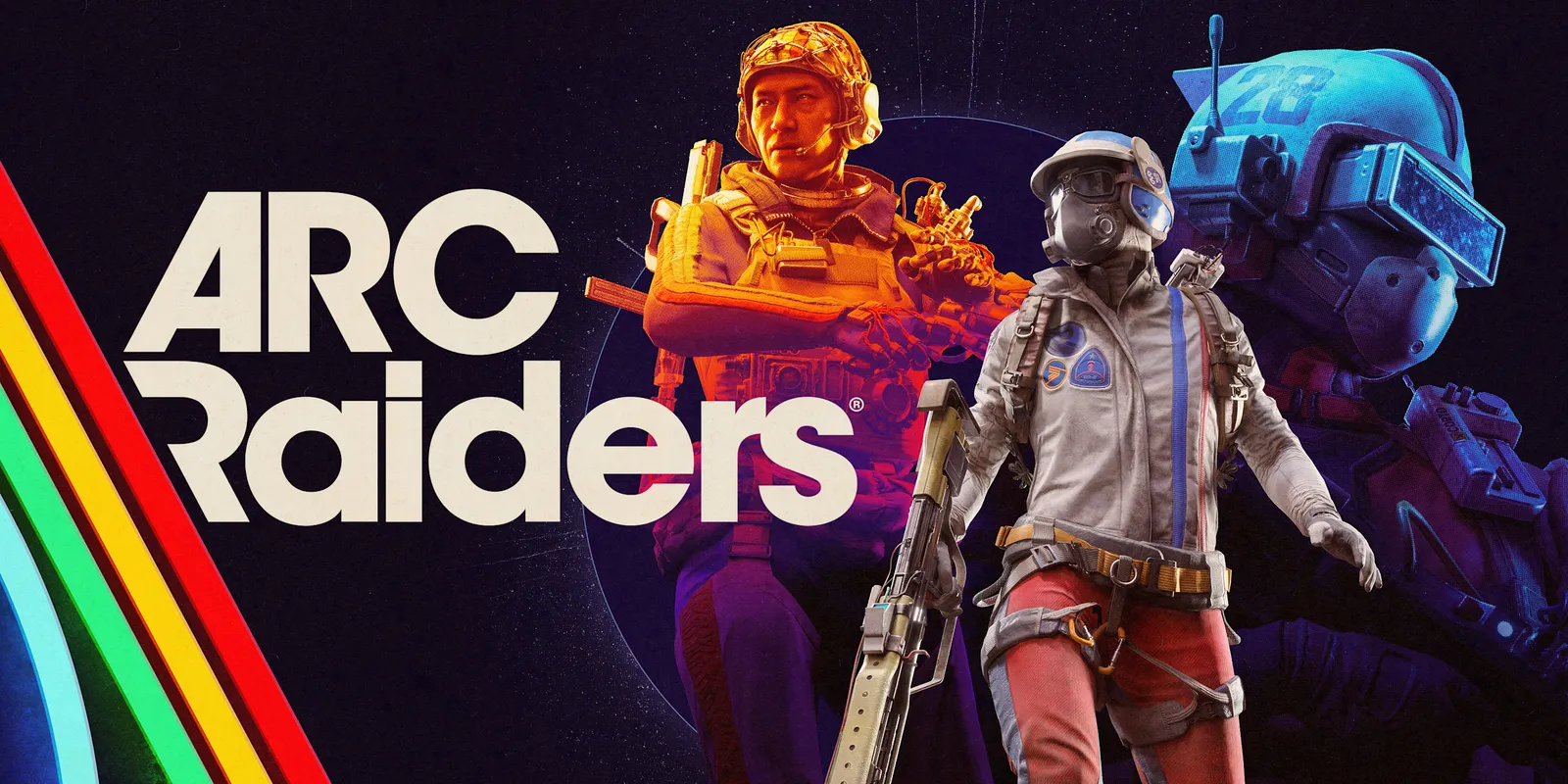
Nexon's shares dropped despite the game developer's reported success with ARC Raiders, according to Nikkei Asia. For decision-makers, the move highlights how markets can punish execution risk and timeline uncertainty even when a title performs.
Nexon’s story is a classic market contradiction: even with reported success behind ARC Raiders, its shares still dropped, as Nikkei Asia reports. In other words, the headline is not “a win.” It is “a win that did not translate into a stock rally.” That gap is where the real executive lesson lives, because it forces investors to ask a harder question than “Did the game work?” The more market-relevant question is “Does this success arrive in time, at scale, and with the right financial path to change the company’s outlook?”
For executives and board members, the stock move is the consequence. It suggests that investors either are unconvinced that ARC Raiders success will be durable, or they believe other parts of Nexon’s pipeline, monetization trajectory, or cost structure could offset the benefit. When shares fall after a positive product headline, it is rarely because the product failed completely. More often, it is because the market had already priced in “something good,” or because the company’s guidance and forward expectations did not move as much as the market wanted. In game publishing, timing matters as much as outcomes.
To understand why a company can be “successful” and still see its shares decline, you have to remember how public markets treat game franchises. Studios and publishers typically live and die by a combination of user acquisition, engagement, retention, monetization, and content cadence. A successful launch can prove the product is fun and playable, but that is only the first checkpoint. Investors also look for signs that the title will sustain revenue over multiple quarters. That is where “success” can mean different things: a strong initial response, healthy early revenues, or strong engagement, but not necessarily the kind of long-term performance that changes earnings expectations. A stock drop is the market’s way of saying it wants more evidence than the headline provides.
There is also the broader reality of how investors trade platform and pipeline risk. Even if ARC Raiders is working, Nexon may still be judged on what comes next, how quickly new content lands, how competitive pressure evolves, and whether the company can keep improving monetization without harming player trust. In games, the distance between “the game is doing well” and “the business outlook improves” can be measured in months, not weeks. So a share drop after success can reflect that the financial impact is not yet showing up in the numbers investors care about, or that the impact is expected to be smaller or slower than the market hoped.
Regulatory and governance framing can add another layer of investor caution. While Nikkei Asia’s report focuses on the shares and ARC Raiders performance, public companies in the gaming sector operate under heightened scrutiny around market conduct, consumer protection issues, and broader rules that can affect digital monetization. Regulators typically do not need to stop a company from operating to influence investor sentiment. Even the perception that oversight could intensify can raise the discount rate investors apply to future earnings. In plain English, markets may worry that “future cash flows” are less predictable than they look on the surface.
Second-order, board-level implications follow from this kind of market reaction. First, it pressures management to connect product momentum to financial clarity: not just user metrics, but revenue visibility, cost discipline, and a credible timeline for scaling. Second, it can change how capital allocation decisions are evaluated. When shares do not respond positively to a successful title, boards often face sharper questions about whether the company is investing with the right timing and whether management has quantified the path from launch performance to earnings.
For peers across the sector, Nexon’s experience is a warning against treating game success as a one-way ticket to capital markets approval. If ARC Raiders helped prove creative competence but still could not lift the stock, other publishers should assume the bar is higher: investors want evidence that the success changes the company’s forward outlook meaningfully. For executive teams, that means tightening the linkage between product roadmaps and financial guidance, and communicating how engagement translates to sustainable revenue. The strategic stake is simple: in public markets, the title is only part of the equation. The rest is whether the business model, pipeline rhythm, and expectations management are strong enough to make “success” show up in the stock price.
This story's Key Insights and Take-aways are locked.
Create a free account to unlock Executive Actions for one credit.
Register to UnlockAlways free for Executives Club members. Join the Club
More in Business

Anthropic’s Levant Alpöge cracks the Jacobian conjecture after 87 years
A Harvard valedictorian used Claude to hit a 1939 breakthrough, but the missing “why” is the real problem.

Uber buys Delivery Hero for nearly $15B, vaulting to top food delivery outside China
The deal doubles Uber's dual-services footprint and pushes a ride-and-eats bundling play into 50 more markets.

Epic and Google drop settlement bid, forcing rival Android app stores by July 22
Google told the court it is ready to carry third-party app stores starting Wednesday, July 22.