
Nigeria confirms first Ebola case in Abuja, a woman just off a Uganda flight
Health Minister Muhammad Ali Pate says the patient flew in from Uganda, putting Africa's latest outbreak on Nigeria's doorstep.
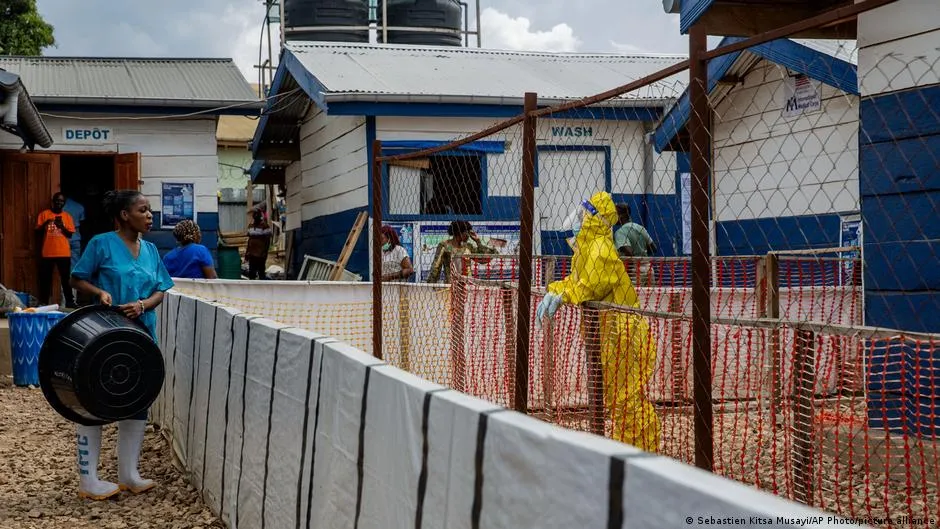
Nigeria's Health Minister Muhammad Ali Pate confirmed the country's first Ebola case of the current outbreak, a woman who flew from Uganda to Abuja. The development forces Nigerian authorities and regional businesses to activate emergency response protocols and reassess travel and trade risk.
Nigeria has recorded its first known Ebola case of Africa's latest outbreak, and it landed in the capital. Health Minister Muhammad Ali Pate said the patient is a woman who recently flew to Abuja from Uganda. The announcement marks the first time the current outbreak, which originated in the Democratic Republic of Congo, has reached Africa's most populous nation.
The stakes are immediate. Abuja is not just the political seat of government; it is a hub for diplomats, aid workers, and business travelers moving across West Africa. A single confirmed case in a capital city can trigger a cascade of responses: contact tracing, quarantine zones, travel advisories, and airline route suspensions. For executives with operations in Nigeria or the region, this is the moment to review continuity plans, not wait for the case count to rise.
The source of the infection points to a worrying geographic spread. The woman boarded her flight in Uganda, a country that has been managing its own Ebola-related alerts, and arrived in Abuja, a city of more than three million people. The outbreak itself traces back to the DRC, where Ebola has repeatedly flared over the past decade. That two-country journey underscores how quickly a viral hemorrhagic fever can move in an era of international air travel.
Nigeria has been here before. In 2014, the country faced its first imported Ebola case when a Liberian-American diplomat flew into Lagos. That case sparked a swift and aggressive containment effort led by health workers including the late Dr. Ameyo Adadevoh, who isolated the patient and prevented a wider catastrophe. The World Health Organization later praised Nigeria's response as a "spectacular success story." The memory of that near-miss is why today's announcement carries extra weight: the systems that worked then are being tested again.
For the private sector, the implications are concrete. Airlines that serve Abuja and Lagos may face pressure to suspend or reduce flights if the case count grows. Hotels, conference centers, and expatriate staff could see cancellations. Commodity traders and logistics firms that rely on Nigerian ports will watch for border closures or enhanced screening that slows cargo. In past outbreaks, the economic damage often came less from the virus itself and more from the fear-driven disruption to trade and movement.
The government's response will be scrutinized. Health Minister Pate's public confirmation is a sign of transparency, but the real test is in the next 72 hours: how quickly contacts are traced, whether the patient's travel history is fully mapped, and whether hospitals in Abuja are equipped to isolate and treat Ebola cases. Nigeria's health system is under strain from other priorities, and the country's northern states have faced insecurity that complicates surveillance.
For context, the DRC has experienced more than a dozen Ebola outbreaks since the virus was discovered there in 1976, and Uganda has also faced multiple Ebola episodes in the past. Each outbreak has taught public health officials the same lesson: speed beats scale. The first case is never the problem; the second and third cases, if they emerge from untraced contacts, are what turn a contained event into a crisis.
For boards and executives across Africa, the lesson is not to panic but to prepare. Review travel policies for employees coming from affected regions, ensure medical evacuation plans are current, and confirm that your organization's crisis communication playbook is ready. The same discipline that applies to cyberattacks and supply chain shocks applies here: assume the risk is real, map your dependencies, and act before the headlines force your hand.
This story's Key Insights and Take-aways are locked.
Create a free account to unlock Executive Actions for one credit.
Register to UnlockAlways free for Executives Club members. Join the Club
More in Politics
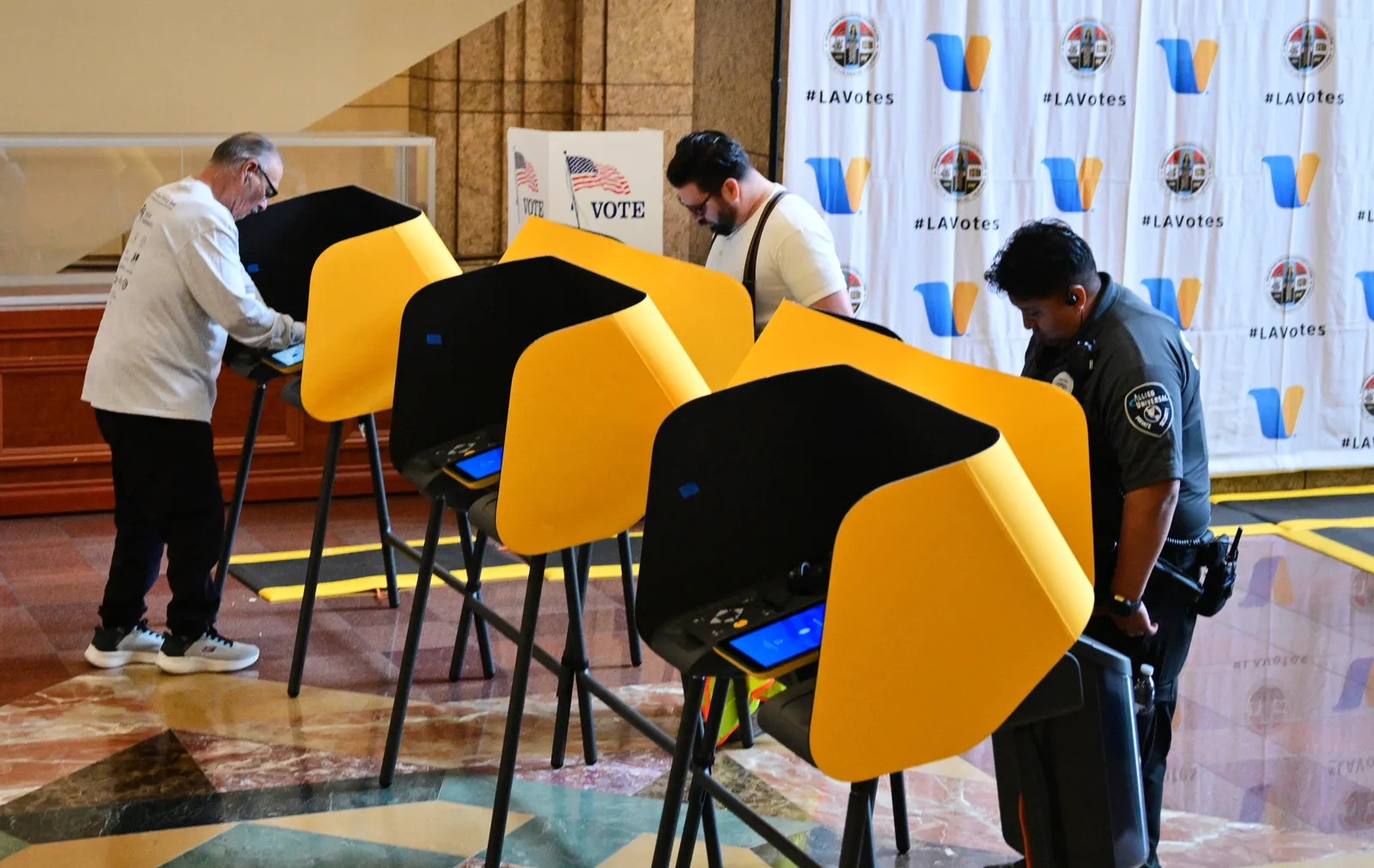
LA County: DOJ's 20,000 'noncitizen' voter list is 'unreliable,' includes U.S.-born
Preliminary review by Los Angeles County election officials finds errors in the federal list, raising the stakes for voter roll integrity ahead of November.

Trump's $1.5B Pentagon chip investment lands in North Carolina
A $1.5 billion defense infusion for North Carolina chipmaking signals a new era of Pentagon-backed reshoring - here's what it means for the industry.
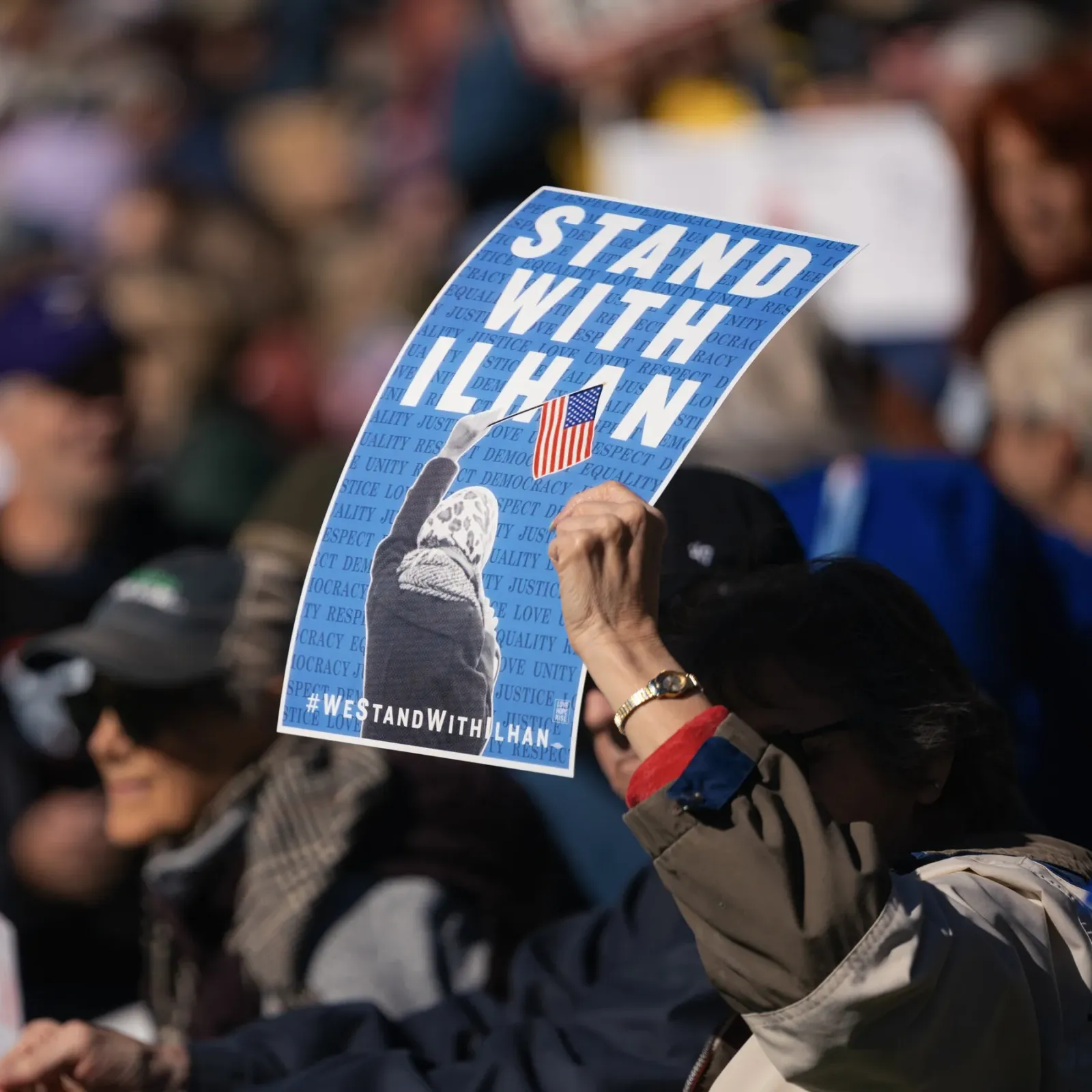
Obama Defends Ilhan Omar After Agents Search Her Home in Trump Inquiry
The former president's intervention raises the stakes in a federal probe into immigration paperwork that has put a prominent progressive lawmaker in the crosshairs.