
Trump's $1.5B Pentagon chip investment lands in North Carolina
A $1.5 billion defense infusion for North Carolina chipmaking signals a new era of Pentagon-backed reshoring - here's what it means for the industry.

President Trump announced a $1.5 billion Pentagon investment to expand semiconductor production in North Carolina, part of the administration's push to reshore manufacturing. The move signals growing government appetite to fund domestic chip capacity, with implications for defense supply chains and commercial semiconductor players.
President Trump on Tuesday announced a $1.5 billion Pentagon investment to expand semiconductor production in North Carolina, the latest move in the administration's push to reshore manufacturing to the U.S. Speaking at an event, Trump framed the outlay as a defense priority, saying, "The Department of War will be investing $1.5 billion dollars to produce cutting-edge semiconductor chips right here in North Carolina."
The announcement puts the Pentagon's checkbook directly behind domestic chip capacity, a departure from the usual route of Commerce Department subsidies. For context, the 2022 CHIPS and Science Act allocated $52 billion in incentives, but this new infusion comes from the defense budget, signaling that national security concerns are now driving procurement decisions as much as commercial competitiveness. The strategic direction is clear: the U.S. military wants a homegrown supply of advanced chips, and it is willing to pay for it.
Trump's use of "Department of War" - a name retired in 1947 - is a rhetorical flourish, but the substance is unmistakable. The Pentagon is becoming a direct financier of semiconductor production, a role that historically fell to civilian agencies. That shift could accelerate the reshoring timeline, but it also raises questions about coordination between defense and commerce officials, especially as the CHIPS Act's $52 billion is still being distributed.
For the semiconductor industry, defense money is a double-edged sword. On one hand, Pentagon contracts offer stable, high-margin demand and long-term visibility. On the other, they come with security requirements, export controls, and a procurement culture that differs sharply from commercial customers. Companies like Intel, TSMC, and Samsung have already committed billions to U.S. fabs, and a defense-funded expansion in North Carolina could pull more players into the fold, or crowd out commercial capacity if the Pentagon demands priority access.
The $1.5 billion is modest compared to the $52 billion CHIPS Act or the hundreds of billions in private investments announced since 2020. But it is a signal. The Pentagon is putting its own money behind the idea that chip production is a matter of national defense, not just industrial policy. That could unlock more defense-specific funding, streamline permitting, or even lead to dedicated military-grade fab lines.
The investment is earmarked for expanding semiconductor production in North Carolina, adding to a wave of federal and private funding aimed at boosting domestic chip output. The move reinforces the Pentagon's role as a direct backer of regional supply chains, a shift that could influence where other defense-related manufacturing lands. For local suppliers, construction firms, and engineering talent, the announcement is a potential windfall, though the specific allocation of funds remains to be seen.
For executives and boards, the takeaway is that the U.S. government is becoming a more active and direct participant in the semiconductor supply chain. That means new opportunities for companies that can navigate defense procurement, but also new risks around compliance, security clearances, and geopolitical entanglement. The North Carolina announcement is a reminder that the reshoring wave is not just about commercial incentives. It is about national security, and the money will follow the mission.
This story's Key Insights and Take-aways are locked.
Create a free account to unlock Executive Actions for one credit.
Register to UnlockAlways free for Executives Club members. Join the Club
More in Politics

LA County: DOJ's 20,000 'noncitizen' voter list is 'unreliable,' includes U.S.-born
Preliminary review by Los Angeles County election officials finds errors in the federal list, raising the stakes for voter roll integrity ahead of November.

Nigeria confirms first Ebola case in Abuja, a woman just off a Uganda flight
Health Minister Muhammad Ali Pate says the patient flew in from Uganda, putting Africa's latest outbreak on Nigeria's doorstep.
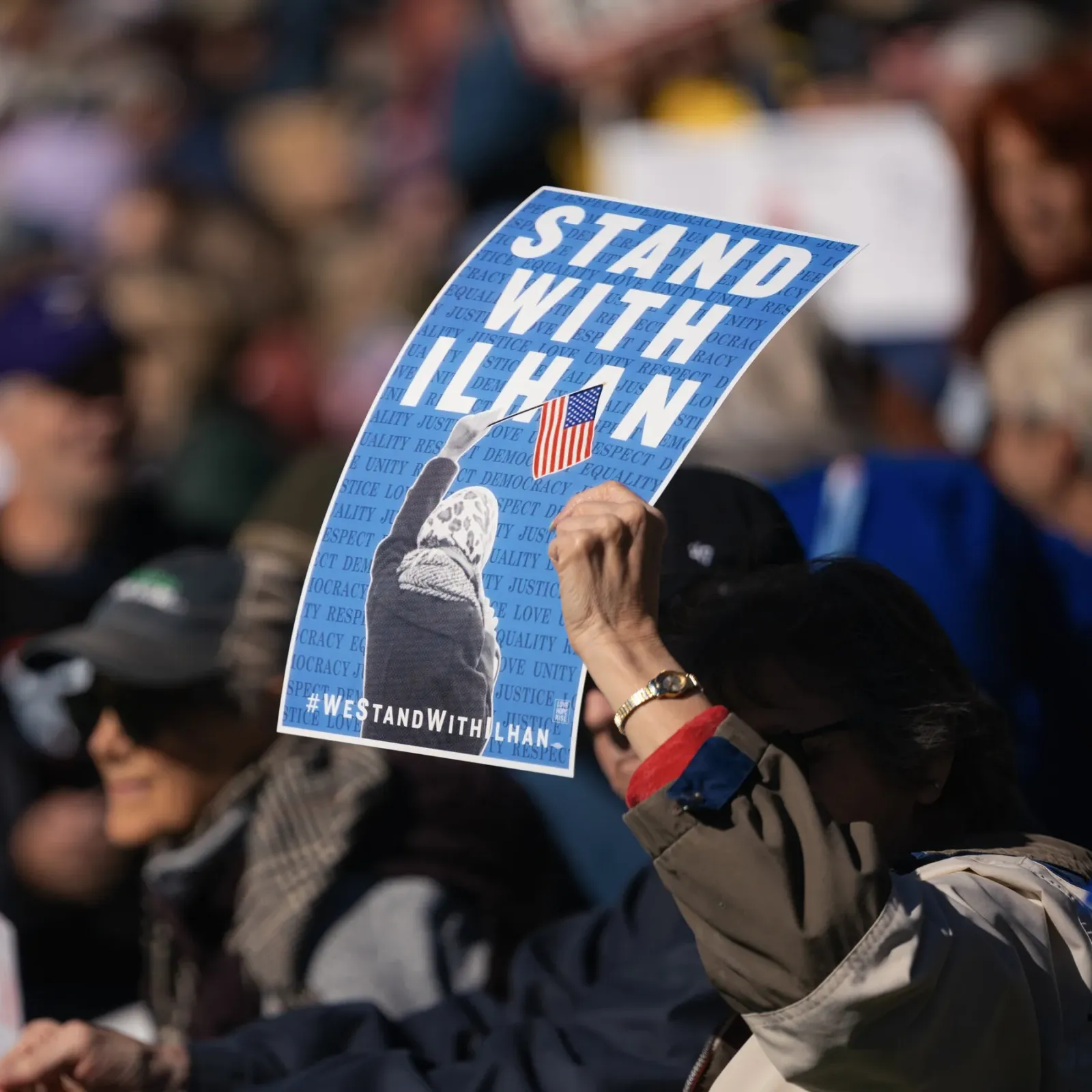
Obama Defends Ilhan Omar After Agents Search Her Home in Trump Inquiry
The former president's intervention raises the stakes in a federal probe into immigration paperwork that has put a prominent progressive lawmaker in the crosshairs.