
Nintendo’s Switch 2 battery plans bend to EU repair rules
Nintendo says it is preparing Switch 2 versions for the EU that let users replace the battery, a preview of how the bloc’s 2027 regulation could reshape gadget design.
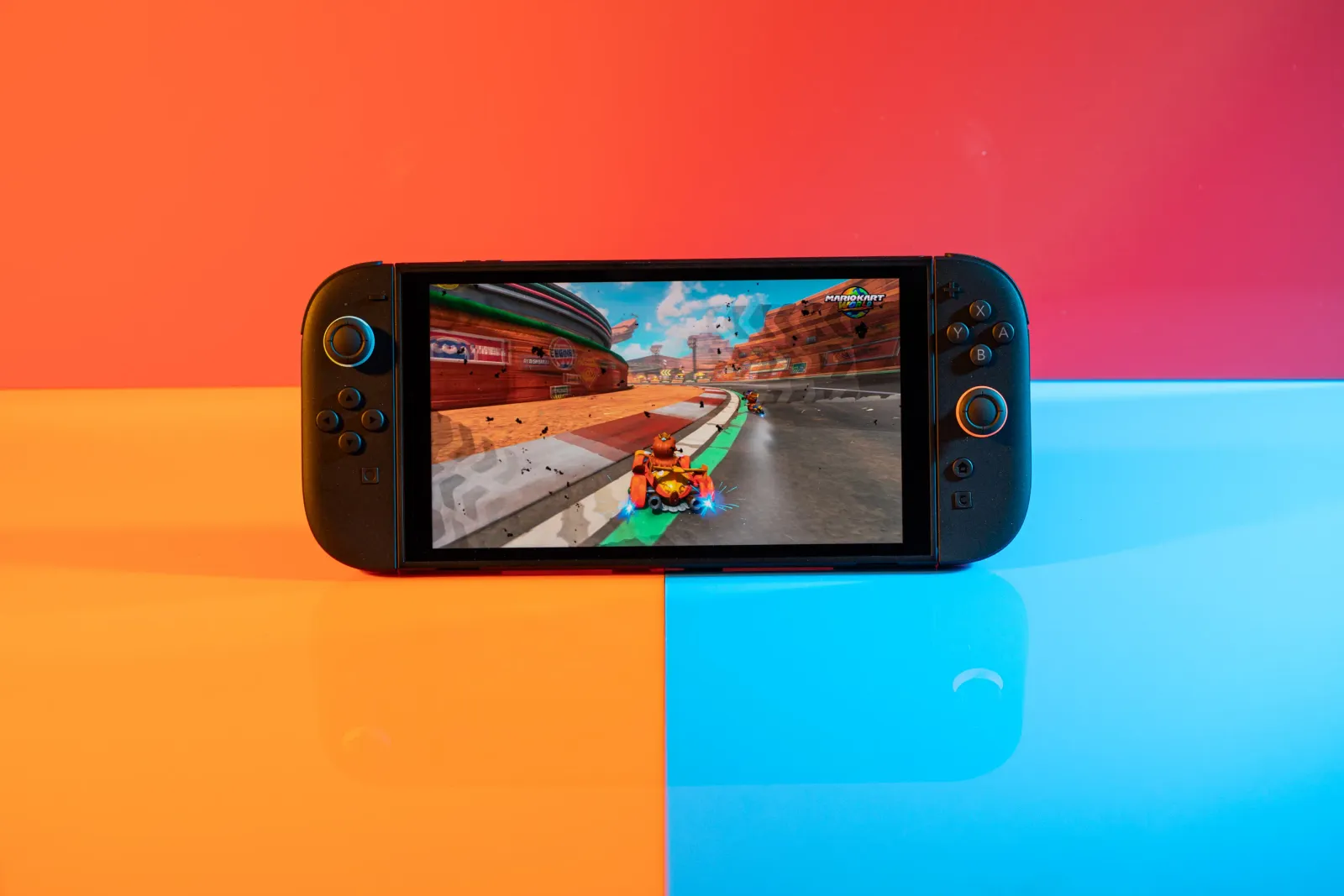
Nintendo says it is preparing versions of Switch 2 hardware for the EU that will let users easily replace the battery, in response to a new EU regulation taking effect on February 18th, 2027. For product, operations, and compliance leaders, this is a clean signal that the repairability era is moving from policy talk into shipping hardware.
Nintendo is getting ready to sell Switch 2 hardware in the EU with a user-replaceable battery, and it is doing so because Brussels is making the rules harder to ignore. On its website, the company says it is "implementing measures to comply with these requirements by preparing versions of products to meet the Regulation." That is the real story here: one of the world’s most tightly controlled consumer hardware companies is pre-adapting a flagship device for a market-wide shift in what counts as acceptable design.
The timing matters. The EU regulation in question goes into effect on February 18th, 2027, and it will require many types of gadgets, including portable game consoles, to let users replace batteries. Nintendo’s move does not mean the Switch 2 is being redesigned for the entire world. It means the company is planning EU-specific versions that match the bloc’s rules, a familiar playbook for global hardware makers that sell into markets with different legal and product requirements. But the signal is bigger than one console. If Nintendo, a company known for controlling the hardware experience down to the last screw, is preparing for this shift, other device makers are going to be watching closely.
The backdrop is a broader comeback for user-replaceable batteries, which has been helped along by EU regulations. As Dominic Preston recently wrote for The Verge, gadgets with batteries users can swap themselves are returning after years in which sealed devices became the default. That trend has real business implications. For years, sealed batteries were part of the economics of slimmer designs, tighter waterproofing, and more integrated products. They also made repair harder and often nudged users toward replacement rather than repair. The EU is now pushing that equation in the other direction, using regulation to make repairability a built-in feature, not an afterthought.
For Nintendo, the decision is as much about compliance timing as it is about product philosophy. The company is saying, in effect, that it is preparing now so it is ready when the rule arrives. That matters because hardware companies do not flip these switches overnight. Battery access touches industrial design, supplier relationships, assembly, packaging, service documentation, and the user experience itself. A replaceable battery is not a cosmetic change. It has to work in the real world, with real customers, and still preserve the durability and quality expectations that brands like Nintendo care about deeply. The company has not said anything beyond what appears on its website, but even that limited disclosure is enough to show the shape of the challenge: compliance is becoming a product requirement, not just a legal one.
For executives, the strategic takeaway is clear even if the source is narrow. Regulation can force design decisions years before the deadline, and the companies that wait until the last minute will be the ones scrambling through packaging changes, repair workflows, and regional SKUs. Nintendo’s approach suggests the opposite: prepare versions of products to meet the Regulation, then ship them where the law requires it. That may sound boring. It is not. It is exactly how a major consumer electronics company absorbs a regulatory change without turning every launch into a crisis. And because portable game consoles are explicitly included in the EU rules, the pressure will not stop at gaming. Phones, tablets, handhelds, wearables, and other battery-powered gadgets all live in the same ecosystem of product planning, compliance review, and margin management.
The second-order effect is that repairability is becoming a competitive constraint. Companies that once optimized almost entirely for sleekness, enclosure, and control over the user experience now have to factor in battery access as a legal requirement in one of the world’s biggest markets. That can ripple into pricing, support costs, and how teams think about product segmentation across regions. It also creates a new baseline for consumer expectations. If users in the EU can replace batteries more easily, they may start asking why the same is not true elsewhere. Regulators have a way of doing that: they do not just change one market, they slowly reset the standard everyone else measures against.
So yes, this is about a battery. But it is also about the direction of hardware itself. Nintendo’s Switch 2 planning shows that the EU is not merely encouraging greener, more repairable gadgets. It is writing that preference into the rules of market access. For anyone running a hardware business, that is the kind of change that starts small on a website update and ends up reshaping the entire design brief.
This story's Key Insights and Take-aways are locked.
Create a free account to unlock Executive Actions for one credit.
Register to UnlockAlways free for Executives Club members. Join the Club
More in Technology

OpenAI says 10,000 agents cracked a 90-year math problem in 88 hours
The company's claim is audacious, but one mathematician is pushing back. Here's what it means for AI-driven discovery.
Meta still serves child sexual abuse ads on Instagram in India - BBC report
A new report following the BBC Eye investigation says the ads are still there - what it signals for every platform with a self-serve ad engine.

White House yanks 'Build the Wall' game after Tetris Company copyright warning
The administration's arcade game vanished in hours - and the takedown playbook every brand can learn from.