
No Drill, No Needle: This Liquid Stopped Kids' Cavities in a Major Trial
A simple liquid painted on in seconds just cleared a major clinical trial, cutting the need for pediatric dental surgery and speeding the path to FDA approval.
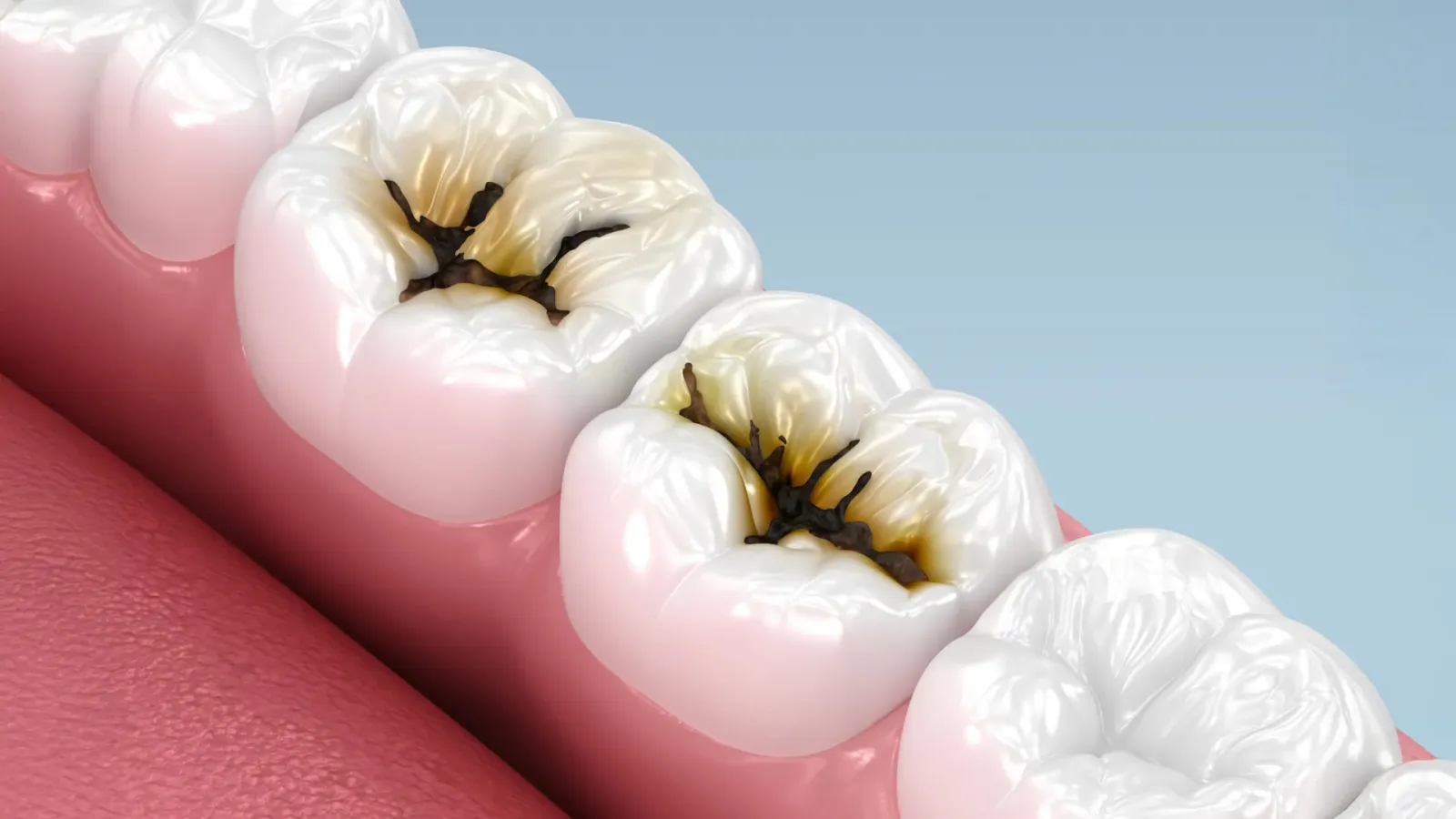
Researchers in a major clinical trial found that a simple liquid painted onto teeth stops cavities in young children without drilling, injections, or anesthesia. The inexpensive approach could spare thousands of children painful procedures and accelerate broader FDA-approved use.
The most anxiety-inducing part of a child's dental visit may soon be obsolete. In a major clinical trial involving young children, researchers showed that a simple liquid painted onto teeth in seconds can stop cavities without drilling, injections, or anesthesia. The finding is not a niche lab curiosity; it is a practic-ready intervention with the potential to rewrite pediatric dentistry from the chair up. No drill, no needle, no gagging on a rubber dam. Just a brush-on liquid that halts decay in its tracks, and the trial backing to take it mainstream.
For parents who have held a child's hand while a dentist prepared a filling, the stakes are visceral. Dental procedures are among the most common reasons young children undergo general anesthesia, which carries its own risks and costs. This liquid, by contrast, is inexpensive, takes seconds to apply, and produces none of the pain that makes kids dread the dental chair. The trial's results point to a future where thousands of children are spared the pain, fear, and recovery time tied to drilling and surgery, while also reducing the burden on hospital operating rooms that routinely handle pediatric dental cases.
The clinical wins are only half the story. The bigger earthquake is regulatory. The trial was designed, according to the source, to pave the way for broader FDA-approved use. That wording matters. Successful clinical data creates leverage with the FDA, and a simpler, cheaper, less invasive treatment for cavities would fit squarely into a public health agenda that has long struggled with childhood tooth decay. In the U.S. alone, cavities remain one of the most common chronic diseases of childhood, yet access to dental care is uneven, and many children go untreated because of fear, cost, or distance from a provider. A topical liquid that any clinician can apply without specialized equipment could be pulled out of the dentist's office entirely, moving into pediatricians' clinics, school-based health programs, and mobile clinics.
For dental practices, the economics shift dramatically. Today, a cavity generates revenue from the drill work, the filling material, the anesthesia, and often a follow-up visit. A preventive liquid that stops a cavity's progression does not merely replace that revenue; it removes the need for the entire procedure. That is why this trial matters beyond the clinic. Insurers and public health payers have long looked for evidence-based ways to cut the cost of pediatric dental care, and a low-cost topical treatment that avoids surgery is an attractive lever. If the FDA approves the liquid for broader use, reimbursement models will need to catch up. The dental industry should not wait for that moment to start studying how preventive brushes replace restorative drills.
There is also a second-order effect on the children themselves. Untreated cavities are not just a dental problem; they can cause pain that disrupts sleep, eating, and school performance. By stopping decay at an early stage with a painless application, the treatment could reduce absenteeism and improve quality of life for low-income children who are disproportionately affected. The trial's focus on young children is particularly telling because early intervention can prevent a lifetime of dental anxiety and the avoidance that comes with it. A child whose first cavity is stopped with a quick paint-on liquid is more likely to grow into an adult who keeps routine dental visits.
Another layer is the timing of the FDA play. Approval pathways for dental products have historically been slower than for drugs, partly because the endpoints are more subjective and the patient population is tougher to enroll. A clean, large, pediatric-focused trial that demonstrates a clear clinical benefit is exactly the kind of evidence regulators lean on to approve a product swiftly. The source does not state which company or institution conducted the trial, but the size and design suggest a sponsor with serious regulatory ambitions. For competitors and investors, the takeaway is simple: the race toward minimally invasive caries management just got an official signal that the market is moving. Companies that make oral care products should be watching this liquid closely, and any dental chain or group practice should model what happens when procedure-based revenue shrinks in favor of chairside preventive applications.
What remains unknown is durability. The liquid stops cavities from progressing, but will it hold for six months, a year, or longer? Will it need reapplication? The clinical trial presumably collected outcomes across a defined window, and future trials or real-world use will establish the treatment's full lifecycle cost. But the direction is clear. The bar for pediatric dental intervention has been lowered, not just in terms of pain but in terms of the whole workflow around a cavity. For CFOs at dental service organizations, for insurers designing pediatric benefits, and for founders building next-generation dental technologies, the liquid is not a curiosity anymore; it is a strategic event. The questions now are how fast the FDA moves and which practices are ready to adapt.
This story's Key Insights and Take-aways are locked.
Create a free account to unlock Executive Actions for one credit.
Register to UnlockAlways free for Executives Club members. Join the Club
More in Science

Elon Musk's SpaceX gets US military's restricted space tracking data
The quiet data transfer hands Musk's company an orbital tracking edge, raising national security and competition alarms.

Maya cave's hundreds of teeth are DNA-matched to distant elite burials
Ancient DNA reveals a surprising ritual: teeth deposited in a sacred cave belonged to elites buried in tombs far away, rewriting assumptions about Maya power and burial.
2026 Nikon Small World Winners Reveal the Hidden Machinery of Everyday Life
A mycologist's frozen Edinburgh garden became the backdrop for vivid views inside cells, a reminder of what advanced imaging now makes visible to researchers and the industries built on biology.