
No Law’s Port Desire bets on fidelity: physics never reset, 3,000 NPCs stay believable
Neon Giant says its “most alive” open world comes from connected systems, not giant scale.
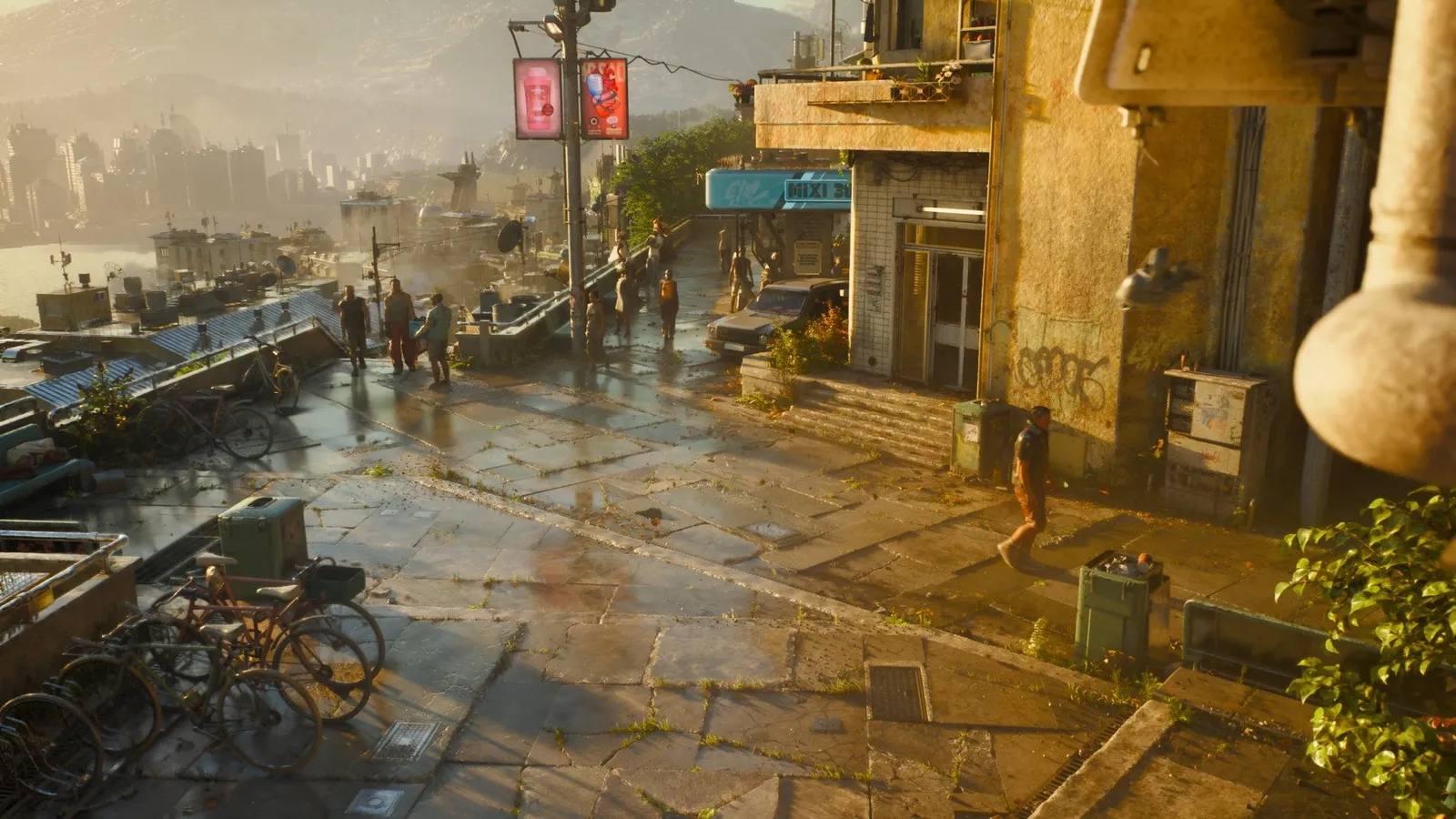
Neon Giant co-founders and co-creative directors Tor Frick and Arcade Berg explain No Law’s Port Desire in an IGN interview. For decision-makers, the bet is clear: tighter density and higher fidelity create “alive” behavior through simulation, not brute size.
No Law developer Neon Giant is aiming for an “alive” open world by doing something most open-world teams do the opposite of: it’s not chasing endless sprawl. In Port Desire, Tor Frick and Arcade Berg say the city’s simulation keeps running in ways players will feel, including physics that “don’t reset,” multiple interconnected systems that govern the behavior of over 3,000 NPCs, and city design choices that determine which buildings you can and cannot enter.
This matters because “alive” is usually marketing shorthand for window dressing. Here, the pitch is that the world stays coherent even when you behave like a menace. Frick and Berg directly frame it as a continuity problem. They describe a city where the outside world does not pause just because you step into a mission or an interior space. If that sounds obvious, it is not how many open-world games handle interiors, where you load a separate space and the rest of the city effectively goes silent.
So what is Neon Giant actually building? Start with a core architecture decision: in No Law, buildings have an inside and an outside, and they are not separate levels. Frick explains it through an example: if you go into an apartment, you climb a fire escape, go through a window, and you are inside, looking out through that same window. The people outside are still there. The kiosk seller is still out there. You are not transported into a bubble where the city stops existing around you. Berg adds that this same idea shows up in time and weather behavior too. Shops and bars open and close as time passes. People take shelter from weather. The ebb and flow of the city changes throughout the day.
The second pillar is systems interaction, not scripted theater. Berg says interior design has to consider that people outside might actually hear what is happening inside. That means consequences can be “good” or “bad” depending on what the player is doing. The rain example is the clearest: if it is raining, AI actually heads under roofs to avoid getting wet. And because their location changes, where they can hear you from changes too. The key business lesson is buried in the game design: if your world is built as a network of interacting systems, you do not just need tech that looks good. You need tech that stays consistent under player chaos, including player actions you cannot predict.
That player-robustness also shapes a third decision that sounds counterintuitive to anyone who has funded an open-world roadmap: you are not meant to enter every building you see. Berg says the initial goal, “when we started,” was that every building interior should be explorable, but “even at the smaller scale,” it became “too much” and “simply not fun,” because exploring dead space is exhausting and overwhelming. The team’s job, as creators, is not maximum access. It is meaningful access. Berg says when players go into interiors, it must be backed by interesting art, a piece of fiction, or some gameplay reward.
The compromise is a system of “pockets.” Berg explains that rather than letting you open every door in the city, No Law concentrates interiors into areas “like a plaza or a cool city block.” This is where you put on your explorer hat and “start running wild.” Move a couple hundred meters and some buildings may be closed off for the sense of scale. The reason is straight from their design philosophy: they do not expect players to check every apartment in every building along a route, because it turns out that isn’t fun. Frick adds that nearly every mission location has multiple entrance points, including rooftop and back entrances. The navigation design is built to create organic discovery, with the player stumbling onto entrances and sightlines instead of being handed a single corridor.
Layer in the production stack and the strategy gets even more legible. No Law is being made using Unreal Engine 5, and the project appeared at this year’s Unreal Fest with an “impressive tech demo.” Frick says the team does not want to focus on the “scale of a large city” because their interest is in what is in your nearest surroundings. He emphasizes fidelity: “This building feels like a genuine building.” Berg’s summary is quality over quantity, paired with an argument that the team could technically chase bigger scale but would have to trade away fidelity, including the kind of gameplay that would match that scale. They mention not doing “flying jet bikes that travel at the speed of light” because you would not have a city large enough to travel around with it. So they slowed things down so players can enjoy individual apartments, office spaces, buildings, and climbing facades where each building’s real scale is supported by interiors.
Zoom out to what this means for executives and investors in the same category: density with believable continuity is an engineering thesis, not just an art direction preference. The bet is that “alive” behavior can be operationalized through interconnected systems, persistent physics, NPC scheduling and shelter logic, and interior-exterior continuity, rather than through massive geographic sprawl. If Neon Giant pulls it off, it sets a new bar for what “most alive” should mean in open worlds: not just busy visuals, but systems that keep working when players break expectations. If it fails, the failure mode is also clear from their own admission. Dead space access and unfocused interiors can turn exploration into fatigue, so design scope and reward structure are the guardrails. Either way, Port Desire’s approach is a reminder that worldbuilding is an operational decision, and operational decisions show up in how the city behaves the moment the player enters the window and keeps moving.
This story's Key Insights and Take-aways are locked.
Create a free account to unlock Executive Actions for one credit.
Register to UnlockAlways free for Executives Club members. Join the Club
More in Entertainment

Blink49’s Brand Studio launches vertical video with “Murder at the Mansion” this fall
The Brand Studio vertical push is here, and Tieren Hawkins is writing a mobile-first micro-drama for mobile audiences.

‘Toy Story 5’ posts $17.5M previews, the top 2026 preview total so far
Disney and Pixar’s sequel leads previews with $17.5 million, signaling what theaters and investors should watch next.

John Wick 5 confirms Keanu Reeves’ return, but the plot pivots to Caine
Keanu Reeves is back, yet Chapter 5 centers on Caine and shifts the franchise power into new leadership.