
Nobel laureate John Jumper exits Google DeepMind for Anthropic, escalating the AI talent shuffle
Jumper's move from DeepMind to Anthropic signals how quickly top research talent is reallocating across frontier labs.
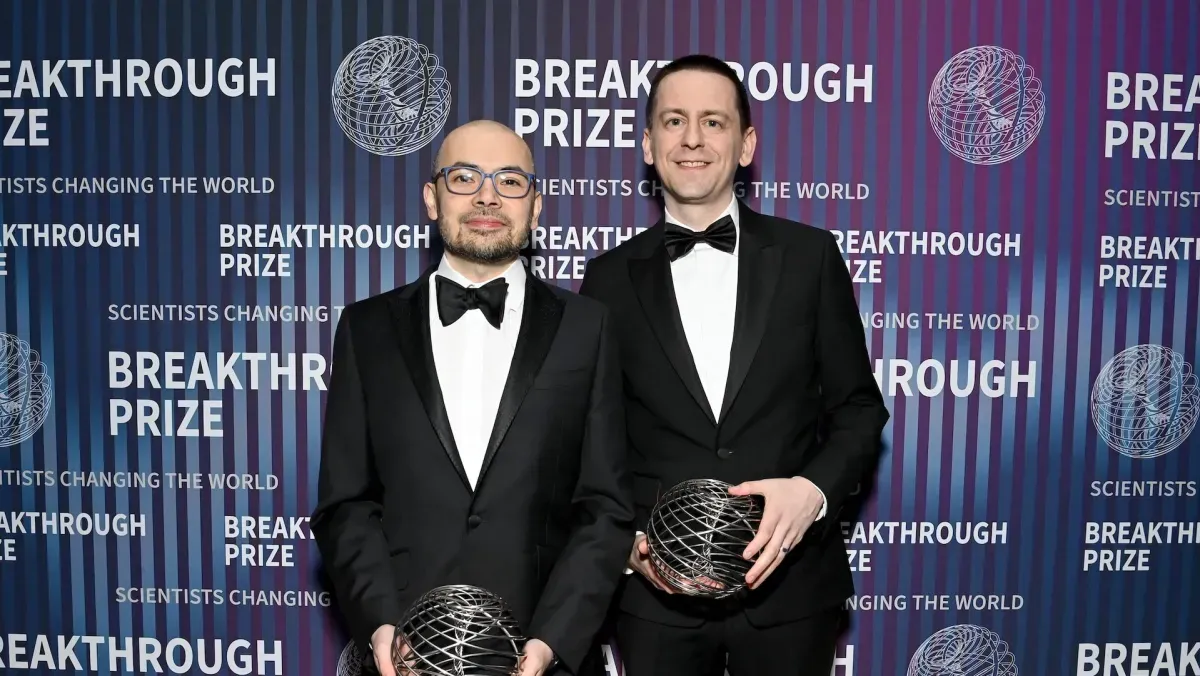
Nobel laureate John Jumper is leaving Google DeepMind for rival Anthropic. For decision-makers, the shift highlights intensifying competition for frontier AI talent and accelerates organizational stress tests across labs.
John Jumper is leaving Google DeepMind for rival Anthropic. The Nobel laureate is not just another headline name in the AI ecosystem. His move is a reminder that the frontier AI race is increasingly a talent allocation story, not only a compute or model story.
To understand why this matters, you have to zoom out. DeepMind is one of the best-known research engines inside Google, and the kind of people who land there tend to be deeply embedded in long-running research agendas, culture, and collaboration networks. Jumper's departure to Anthropic, another major force in frontier AI development, adds weight to a pattern already visible to anyone watching this space: major labs are competing not only for users and partnerships, but for the specific researchers and builders who can turn big ideas into repeatable breakthroughs.
For executives, this kind of move is disruptive in two ways at once. First, it is a direct capacity change. Research talent is not fungible. Even if two labs both claim they are “cutting edge,” the day-to-day reality is that progress comes from teams that can collaborate, publish, and iterate quickly. When a high-profile leader exits, teams lose institutional knowledge and social graph momentum. The second-order effect is about continuity. Frontier labs rely on multi-stage pipelines, spanning experimentation, evaluation, safety thinking, and deployment pathways. A leadership-level departure can ripple into recruiting priorities, management bandwidth, and the clarity of the next technical milestones.
Second, Jumper's move changes the competitive narrative. Anthropic has been building its profile as a top rival, and getting an accomplished researcher from DeepMind can function as both a capability signal and a recruiting magnet. In these markets, reputations often travel ahead of products. When a Nobel laureate switches labs, it tells other researchers that career paths are diversifying beyond the most obvious “default” employers. That can raise the quality of applicants for Anthropic and increase recruiting pressure on DeepMind and other frontier labs.
There is also a board and governance angle, even when the story stays in the realm of research. When a prominent figure leaves, leadership teams typically ask internal questions fast: Was the person aligned with direction? Were incentives competitive? Was there friction around priorities? Were expectations about timelines different? Even if answers are boring, the process is not. Boards and executive teams often need to confirm that knowledge transfer plans exist and that no single individual was an irreplaceable bottleneck.
Layer on regulatory and policy pressures, and the stakes get higher. AI regulation and governance are not one uniform thing, but rather a patchwork that evolves with each milestone in capability and each new public safety concern. Labs are increasingly expected to pair technical progress with safety practices and evaluation rigor. When a researcher with a heavyweight profile moves between frontier labs, it can subtly shift how teams think about those responsibilities. Not because of any new rules in this specific story, but because different organizations have different institutional emphases on safety research, evaluation frameworks, and the way they communicate risk tradeoffs.
For other decision-makers trying to allocate capital, this is the subtext: compute and data are expensive, but talent is scarce and strategic. The cost of replacing or partially reconstituting a top researcher is not just salary. It is time. It is team formation. It is the months it takes for a new hire to become productive in a complex research environment. In a race where timelines matter, delays can have downstream effects on publication velocity, prototype readiness, and the credibility of technical roadmaps.
So what should peers take away from Jumper's move? If you're running a frontier lab, a model-driven startup, or investing in the ecosystem, the key signal is that the “AI talent shuffle” is not a side plot. It is a mechanism that decides who can execute next. Jumper leaving DeepMind for Anthropic escalates that reality. It pressures DeepMind to stabilize teams and maintain momentum. It gives Anthropic an opportunity to accelerate. And it raises the urgency for everyone else watching this market closely: in frontier AI, who you can attract and retain is often the difference between promising research and winning the next cycle.
This story's Key Insights and Take-aways are locked.
Create a free account to unlock Executive Actions for one credit.
Register to UnlockAlways free for Executives Club members. Join the Club
More in Technology

Nvidia's $89B data center quarter: the 9 companies cashing in
The AI buildout is minting fortunes beyond GPUs, and memory, cloud, and cooling suppliers are riding the same wave.

Google quietly links your phone number to every Android account on your SIM
Adding a SIM now ties your phone number to all Google accounts - and future accounts inherit it. Here's the security and privacy stakes.

Hijacker AI 'Skynet mode' runs 100,000 attack steps against exposed models
Symantec caught a criminal AI agent that borrows other models, steals data, and mines crypto; the only relief is no confirmed victims yet.