
Novo Nordisk sues Eli Lilly over GLP-1 ads for stale clinical claims
The dispute centers on whether Lilly is using the most up-to-date clinical information in its marketing, and why it matters in the GLP-1 land grab.
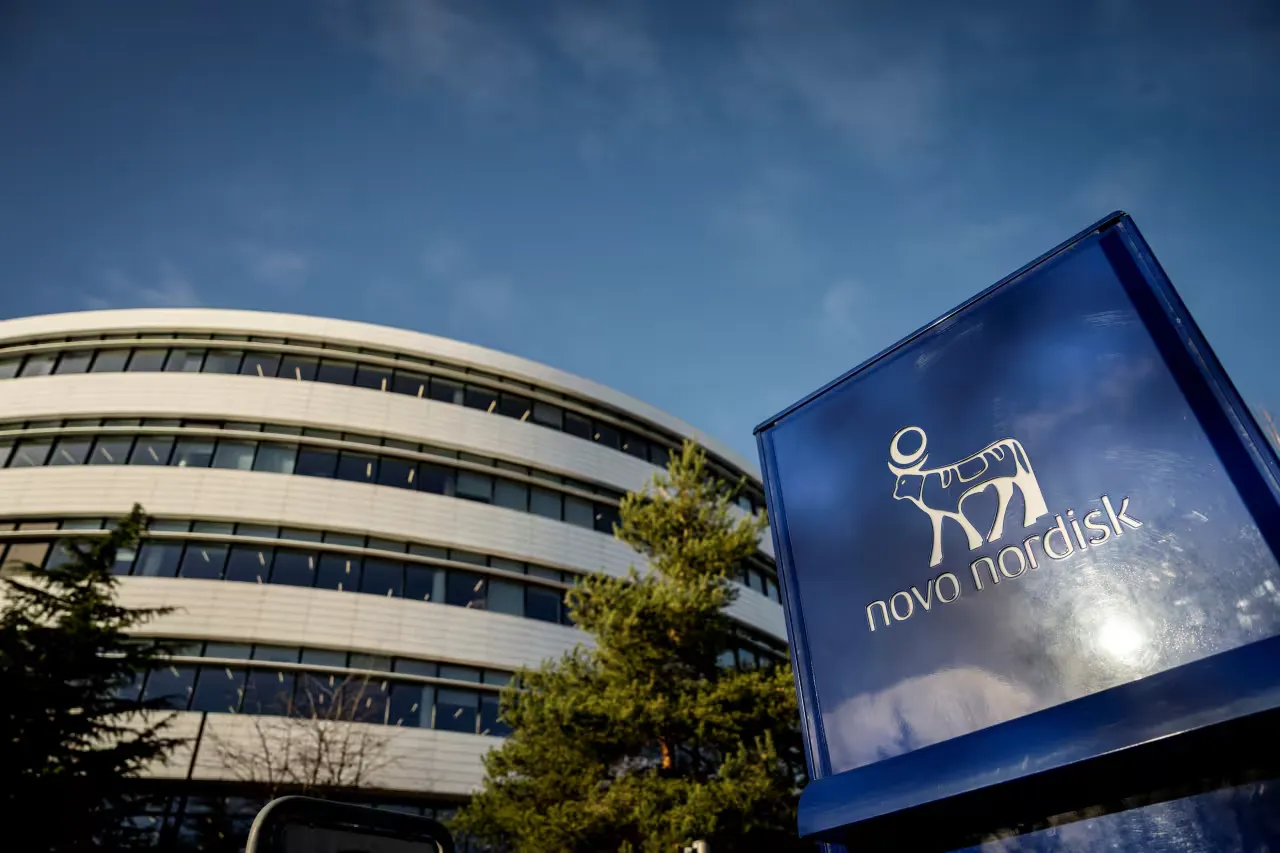
Novo Nordisk, the Danish drugmaker, says U.S.-based Eli Lilly is not including the most up-to-date clinical information in its GLP-1 drug ads. For executives and boards, the lawsuit signals that competitive intensity in the GLP-1 market is spilling from science into marketing compliance risk.
Novo Nordisk is taking Eli Lilly to court over GLP-1 advertising, arguing Lilly is not including the most up-to-date clinical information about its drugs in the ads. That is the core claim: if the evidence base moves, the marketing claims should move with it, and Novo Nordisk says Lilly is not doing that.
Why this matters right now is simple. In the GLP-1 market, the competitive advantage often comes down to who can communicate benefits fastest and clearest while staying inside regulatory and legal guardrails. When a rival alleges that marketing is lagging behind the latest clinical updates, it is not just a branding spat. It is an accusation that could affect how prescribers perceive the drugs, how regulators evaluate promotional practices, and how quickly competitors can respond.
This dispute sits in the broader reality of GLP-1 competition, where companies are racing on multiple fronts at once: trial results, label details, manufacturing scale, payer negotiations, and promotional strategy. Clinical information evolves. Sometimes new trial data clarify efficacy across subgroups. Sometimes safety follow-ups change how the risk story is told. Sometimes additional endpoints become more prominent. When those updates arrive, companies typically need to decide how quickly their promotional materials reflect them, especially in jurisdictions with strict rules around what claims can be made and how they must be supported.
Novo Nordisk and Lilly are not operating in a vacuum. The U.S. system for drug advertising and promotion is tightly constrained by the requirement that promotional content be truthful, not misleading, and adequately supported. Even when a company believes it is within the lines, a rival can argue that the difference between “technically correct” and “not misleading” is exactly where the compliance risk lives. Novo Nordisk’s argument, as stated in the source, is specifically about the freshness of the clinical information. That is a sharper allegation than generic marketing puffery because it ties the dispute to the factual basis underlying the ads.
For decision-makers, the second-order effect is that these lawsuits can shift internal priorities. Marketing teams do not just need creative approvals anymore. They need a reliable workflow for tracking clinical updates, mapping what changes in trials and publications mean for every active advertisement, and ensuring promotional claims remain aligned with the most current evidence. This can affect how quickly companies can launch campaigns, how much legal and medical review must be integrated, and how much it costs to maintain consistent messaging across channels.
Boards and senior executives also have to think about how these disputes land with external stakeholders. Prescribers and institutions often look for clarity and consistency, and promotional materials can influence switching decisions, formulary conversations, and patient uptake. Meanwhile, regulators and litigants may treat marketing compliance allegations as a signal of broader operational discipline. Even if the company disputes the claim, the mere existence of a rival lawsuit can create scrutiny around how the company governs medical and marketing information.
There is also a strategic communications layer. In markets where clinical performance is the headline, advertising becomes the battleground for “what patients and clinicians should think today.” If Novo Nordisk alleges Lilly is not including the most up-to-date clinical information, Lilly will likely need to counter the substance of that claim while also reinforcing that its promotional practices are compliant. Either way, the market watches. Executives know that every month of promotional momentum can have commercial consequences, so anything that threatens marketing continuity creates incentives to accelerate fixes, tighten review processes, or, in some cases, redesign campaigns entirely.
The stakes for peers are direct. If the GLP-1 market is defined by who can pair clinical progress with persuasive messaging, then lawsuits over ad content are a reminder that “persuasive” must also be defensible as evidence changes. For boards overseeing drugmakers and for executives running both commercial and medical affairs, the message is clear: promotional compliance is not a back-office function. It is part of the competitive strategy, and rivals are ready to challenge it when clinical details evolve.
This story's Key Insights and Take-aways are locked.
Create a free account to unlock Executive Actions for one credit.
Register to UnlockAlways free for Executives Club members. Join the Club
More in Business

Anthropic’s Levant Alpöge cracks the Jacobian conjecture after 87 years
A Harvard valedictorian used Claude to hit a 1939 breakthrough, but the missing “why” is the real problem.

Uber buys Delivery Hero for nearly $15B, vaulting to top food delivery outside China
The deal doubles Uber's dual-services footprint and pushes a ride-and-eats bundling play into 50 more markets.

Epic and Google drop settlement bid, forcing rival Android app stores by July 22
Google told the court it is ready to carry third-party app stores starting Wednesday, July 22.