
NVIDIA rolls out an AI-ready notebook chip, aiming to redraw what “PC” means
The chip targets AI workloads on laptops, just as NASA calls time on a Mars mission and Meta keeps probing glasses-based facial recognition.
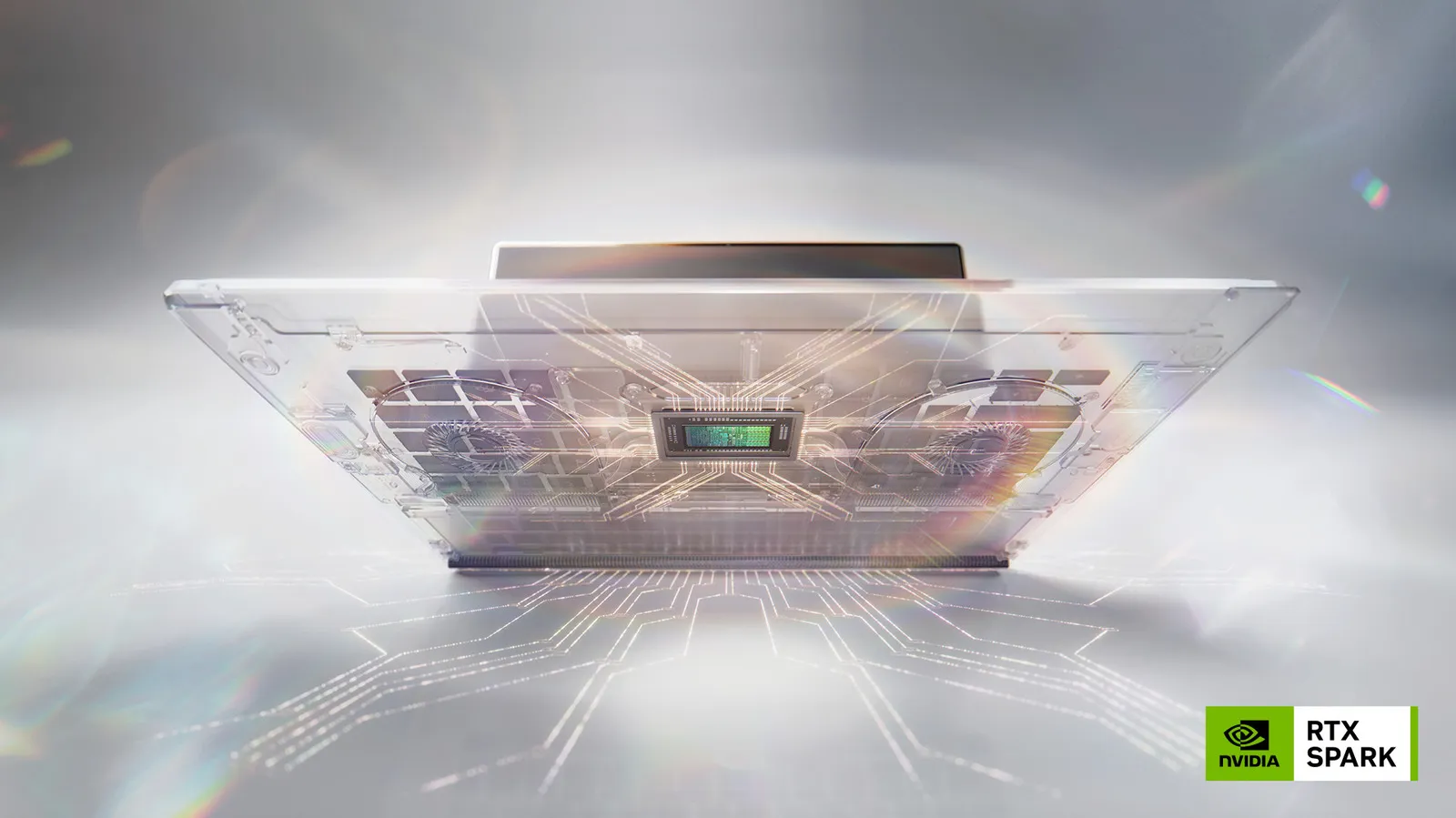
NVIDIA has launched a new AI-ready notebook chip positioned to power AI features directly in PCs. For decision-makers, it raises the competitive bar for laptop silicon while two parallel moves in space and identity tech highlight how quickly bets can end or evolve.
NVIDIA just launched a new AI-ready notebook chip, and the pitch is bigger than “a faster laptop.” This is about changing where AI runs. Instead of treating AI as something that lives in the cloud, NVIDIA is pushing AI workloads onto the device itself, in the same form factor people already buy for work, school, and entertainment. If this sticks, the default PC experience could shift from “CPU plus background tasks” to “a computer that expects AI to be native.”
That matters for anyone making bets on hardware roadmaps, developer ecosystems, or enterprise procurement. Laptop buyers do not wake up craving a new chip. They wake up wanting features that feel instant. An “AI-ready” notebook chip is NVIDIA’s attempt to make those features practical on the go, by bringing compute closer to where the data is. The company is essentially trying to redraw the competitive landscape for PC silicon, where the question stops being only about graphics and performance and starts including AI capability as a baseline expectation.
Now, zoom out. The PC market has always been a battlefield of timing. Chips define what manufacturers can ship; software ecosystems define what customers will actually use; and press cycles define what people believe is coming next. When NVIDIA moves first, it often forces everyone else to decide whether to chase the new baseline or risk falling behind. Even if the average user never learns the chip name, the outcomes show up in product specs, demos, and the “why is this laptop different?” story that sales teams need.
Meanwhile, the broader tech news cycle has a different kind of lesson: NASA has ended a Mars mission. Space programs are expensive, long-horizon, and unforgiving. When something ends, it is not just a technical outcome, it is an organizational one. Budgets, research priorities, and contractor plans shift. For executives across tech, it is a reminder that timelines matter as much as technologies do. Even when a mission is ambitious, the end of a program can be the start of a reallocation, where teams move from one set of goals to the next and stakeholders recalibrate what “progress” means.
On the identity and surveillance side, Meta is still looking into glasses-based facial recognition. That is the kind of effort that takes years because it touches product design, computer vision, and legal and regulatory risk. Facial recognition, especially when paired with always-on devices like smart glasses, is exactly where regulators typically demand clarity on consent, accuracy, and data handling. Even if a prototype never becomes a mainstream feature, the groundwork can still shape how a company designs future devices and what it learns about user behavior, system limitations, and compliance pathways.
Put these three stories side by side and the pattern gets clearer: technology direction is being set simultaneously in compute, in the real world, and in how we identify each other. NVIDIA is pushing AI into the notebook. NASA is ending a mission that no longer fits its trajectory. Meta is continuing to explore recognition capabilities through glasses.
For executives, the strategic stakes are twofold. First, hardware changes can be immediate, but they only become real when software, developer tools, and customer experiences line up. Second, adjacent bets like facial recognition do not just depend on engineering. They depend on regulation, public trust, and whether the product can clear legal and ethical hurdles. In that context, NVIDIA’s AI-on-device push is not happening in a vacuum. It is part of a larger shift where the “default” capabilities of platforms are rising, deadlines tighten, and the cost of being late increases.
If you are in charge of product planning, platform partnerships, or enterprise strategy, today is a good moment to ask a simple question: when AI becomes a baseline feature, what stops your roadmap from feeling behind? NVIDIA is telling the industry that the notebook is ready for that conversation. Whether the market adopts it quickly is one question. Whether competitors must respond right away is another.
This story's Key Insights and Take-aways are locked.
Create a free account to unlock Executive Actions for one credit.
Register to UnlockAlways free for Executives Club members. Join the Club
More in Technology

OpenAI says 10,000 agents cracked a 90-year math problem in 88 hours
The company's claim is audacious, but one mathematician is pushing back. Here's what it means for AI-driven discovery.

Meta still serves child sexual abuse ads on Instagram in India - BBC report
A new report following the BBC Eye investigation says the ads are still there - what it signals for every platform with a self-serve ad engine.

White House yanks 'Build the Wall' game after Tetris Company copyright warning
The administration's arcade game vanished in hours - and the takedown playbook every brand can learn from.