
Nvidia's $20B Groq bet: low-latency AI racks land this year
The chip giant is racing to turn its $20 billion Groq acquisition into shipping products, signaling a shift toward speed-critical AI inference.
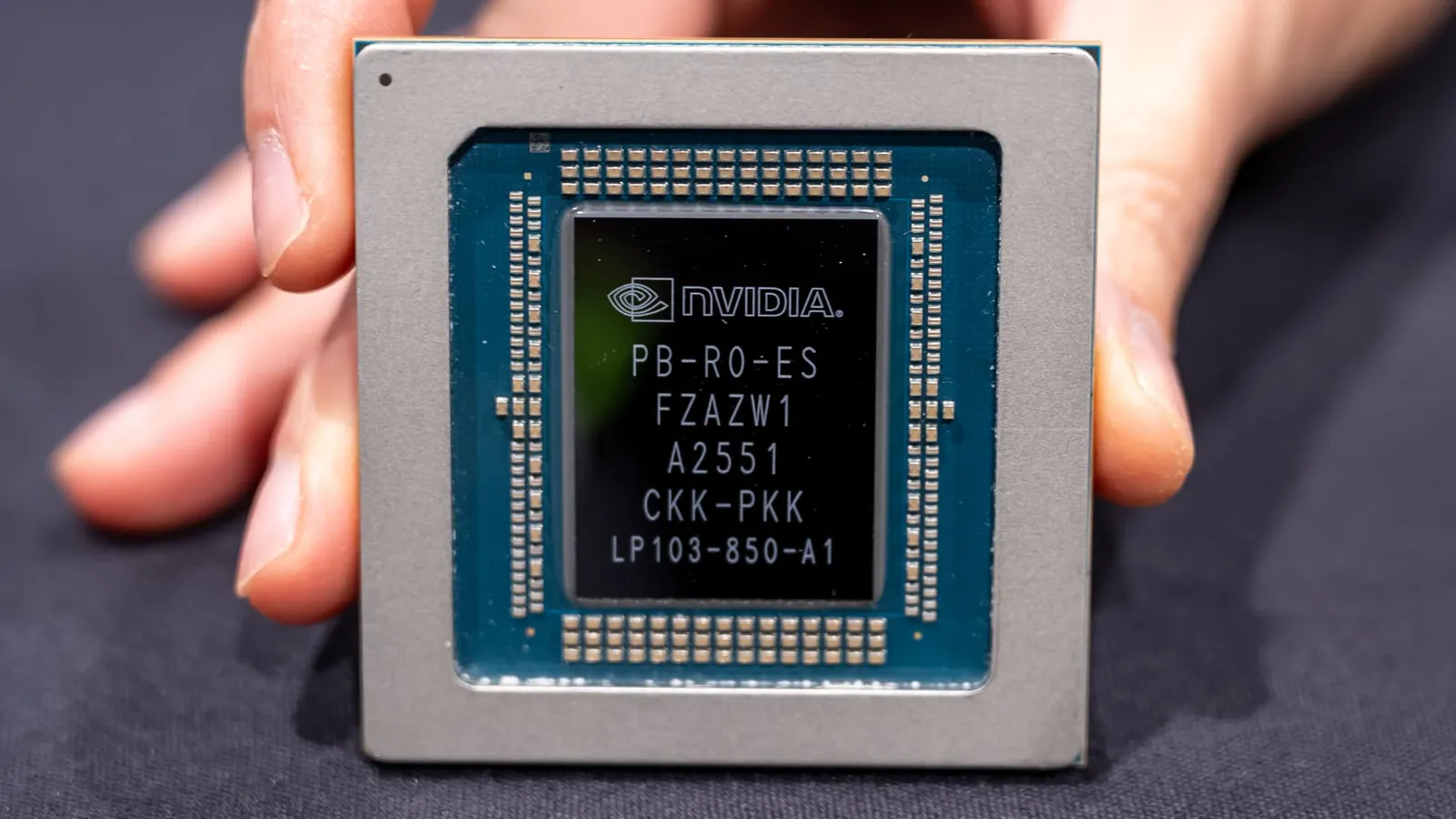
Nvidia announced that Groq racks will be online this year, following its $20 billion acquisition of the AI chip startup. The move underscores the growing importance of low-latency inference in AI, as Nvidia moves beyond training to real-time deployment.
Nvidia says Groq racks will be online this year. That's the headline from the chip giant's latest move, and it's a big one. The $20 billion acquisition of Groq, a startup known for its ultra-fast inference chips, is shifting from paper to production. This isn't just another product launch. It's a signal that Nvidia is betting heavily on the next phase of AI: making models run fast enough for real-time decisions.
For years, Nvidia has dominated AI training. Training is where massive models like GPT-4 learn from billions of data points. But training is only half the story. Once a model is trained, it needs to run in production. That's called inference. And inference is becoming the new battleground. Low-latency inference means responses in milliseconds. Think autonomous vehicles reacting to a pedestrian, or a voice assistant answering without a noticeable pause. These use cases demand speed, not just raw compute power.
Groq's technology is built for exactly that. The startup's chips use a unique architecture that minimizes latency, bypassing some of the bottlenecks found in traditional GPUs. Groq has long claimed its processors can outperform conventional hardware on specific inference tasks. Now, with Nvidia's resources behind it, that technology is getting a fast track to market. The racks Nvidia mentions are essentially pre-assembled server systems. They bundle Groq chips with power, cooling, and networking into a plug-and-play unit. That makes it easier for customers to deploy without designing their own infrastructure.
This is a strategic move by Nvidia to own the entire AI pipeline. From training to inference, from data center to edge. By integrating Groq, Nvidia can offer a complete stack. Customers who already use Nvidia for training can now add low-latency inference without switching vendors. That's a powerful lock-in. But it's also a race. Competitors like AMD are pushing their own inference solutions, and specialized startups are nipping at Nvidia's heels. The speed of this rollout matters.
The implications ripple across the industry. Companies building AI-powered products now have a new option for real-time responses. This could shift investment toward inference optimization. Instead of just buying more GPUs for training, businesses might prioritize low-latency hardware for deployment. That's a change in mindset. It also puts pressure on cloud providers. If Nvidia's Groq racks deliver on their promise, expect hyperscalers to offer them as a service, making low-latency inference accessible to startups and enterprises alike.
But there are risks. Integration is hard. Groq's architecture is different from Nvidia's traditional GPUs, and software ecosystems don't always mesh. Nvidia has its own CUDA platform, which developers know well. Groq uses a different programming model. That could slow adoption. Also, the $20 billion price tag is hefty. Nvidia needs to show returns, and the timeline - this year - suggests confidence. But execution is everything. Delays or technical hiccups could undermine the narrative.
Broader context matters too. Nvidia's stock has soared on AI demand, but investors are watching for growth beyond training. This acquisition is a bet on the next wave. Low-latency inference is also key for edge computing and on-device AI. As more devices run models locally, the need for efficient, fast chips grows. Groq's technology could be a bridge to that future. Nvidia is positioning itself not just as a training powerhouse, but as the backbone of real-time AI everywhere.
The racks coming online this year is a concrete milestone. It shows Nvidia is serious about owning the entire AI pipeline. For customers, it means more options for fast, efficient inference. The race is on. And with $20 billion on the line, Nvidia is moving fast. The question now is whether Groq's technology can live up to the hype - and whether Nvidia can deliver on its promise before competitors catch up.
This story's Key Insights and Take-aways are locked.
Create a free account to unlock Executive Actions for one credit.
Register to UnlockAlways free for Executives Club members. Join the Club
More in Technology

Google quietly links your phone number to every Android account on your SIM
Adding a SIM now ties your phone number to all Google accounts - and future accounts inherit it. Here's the security and privacy stakes.

Hijacker AI 'Skynet mode' runs 100,000 attack steps against exposed models
Symantec caught a criminal AI agent that borrows other models, steals data, and mines crypto; the only relief is no confirmed victims yet.

Nvidia's AI-financier shift faces its first big test as neoclouds stumble
A rout in neocloud stocks is forcing investors to weigh Nvidia's hidden exposure as both supplier and lender to the AI buildout.