
Oasis doc review: The Gallaghers' reconciliation is the real comeback story
How the Gallaghers healed on tour - and what it means for the nostalgia economy.
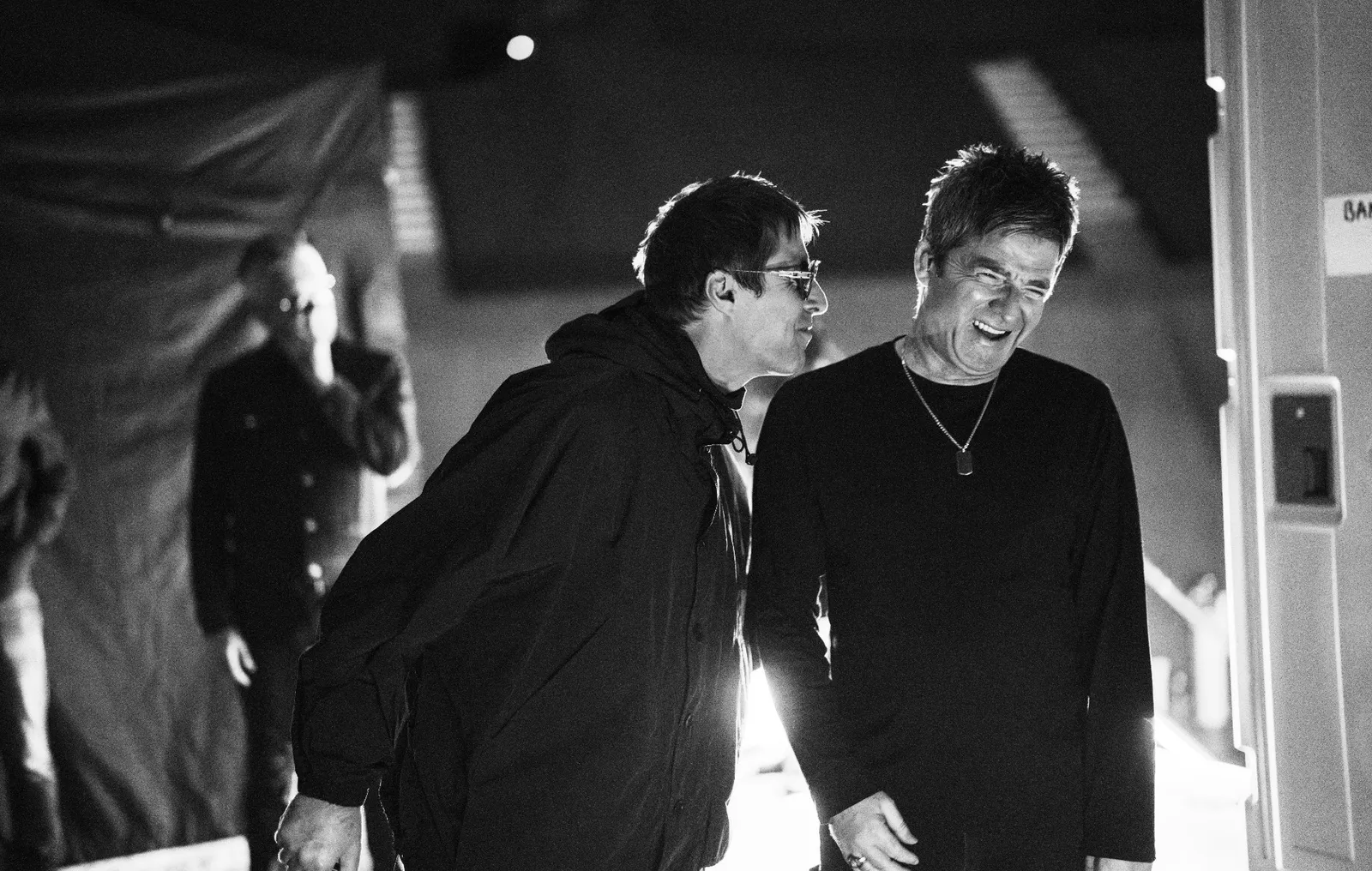
The new documentary 'Oasis: Don't Look Back In Anger' chronicles the band's 2024 reunion tour, capturing Liam and Noel Gallagher's reconciliation after a 15-year feud. For executives in music and entertainment, the film underscores the massive commercial and cultural value of nostalgia-driven reunions, as the tour sold out stadiums worldwide and the documentary hits UK cinemas September 9.
No one believed Oasis would make it back on stage. Up until the band stepped out in Cardiff for the first date of their comeback tour last July, the world was questioning whether the Gallagher brothers would implode in a mess of bickering before the first chord. But they made it - not just through Cardiff, but through the entire world tour, healing a relationship that had been frozen since the band's abrupt split at Paris' Rock en Seine in 2009. The new documentary 'Oasis: Don't Look Back In Anger' captures that journey in full, from the tension of the rehearsal room to the liberating celebration of the final gig. For anyone tracking the business of nostalgia, this film is a masterclass in how legacy acts turn fractured history into a commercial and emotional juggernaut.
The documentary's emotional core is the brothers' reconciliation. Early on, Liam dismisses the feud with a shrug: "He's making out as if I've stabbed one of his cats. Leave it out, mate; we had a little argument." Noel, meanwhile, casts a shadow over the tour ahead: "I was born with one fatal flaw in my character. I cannot forgive people." But forgiveness comes, and watching it unfold is the film's most powerful arc. In rehearsals, they barely make eye contact; Liam often bounces out before the last song finishes. Yet on opening night in Cardiff, Liam forces his hand into Noel's and lifts it aloft - Noel acquiescing under duress. By the tour's end, they're strolling on stage hand-in-hand, and Noel describes his brother with a word "that I never would have before": "Delightful." The film captures the anxiety and stakes of that first night with spine-tingling sound design and cinematography, making you feel the weight of the moment even when you know the outcome.
Directors Will Lovelace and Dylan Southern connect each tour stop to Oasis' mythology: Cardiff as the moment the world never thought it would see, Manchester as a biblical return home, Dublin as a nod to heritage. They also pay tribute to guitarist Paul "Bonehead" Arthurs, who joined most of the tour but was represented by a cardboard cutout during dates he missed for cancer treatment. The film weaves in fan stories - kids on "Gallagher Hill" in Manchester, haenyeo divers in South Korea using 'Acquiesce' to power through workdays - illustrating the band's global impact. These segments are heartfelt but awkwardly cut, feeling a little random in the narrative. A staged sermon from a Manchester priest likening the brothers to a Bible story also feels shoehorned. Still, the documentary's ambition is clear: to reclaim the narrative around Oasis and relive one of the most momentous tours of modern times.
For executives, the film is a case study in the economics of nostalgia. Reunion tours have become a reliable revenue engine for legacy acts, but the real product is the story - the emotional arc that turns a concert series into a cultural event. The documentary extends that lifecycle, creating new content, driving fan engagement, and reinforcing the brand for a new generation. The September 9 cinema release is a strategic move, capitalizing on the tour's momentum and the enduring appetite for Oasis. The film's title, 'Don't Look Back In Anger', is itself a nod to the band's catalog, but the message is forward-looking: reconciliation sells.
The review notes that the documentary is "masterfully done, with moments of irreverence and intense passion burning throughout." Liam's final words - "Oasis saves" - capture the quasi-religious devotion fans feel. For decision-makers in music, media, and entertainment, the takeaway is clear: authenticity is the ultimate currency. The Gallaghers' healing wasn't manufactured; it was messy, gradual, and real. That's what makes the film compelling, and it's why the tour and documentary resonate so deeply. The strategic lesson for any brand or executive: a comeback story only works if the audience believes the transformation is genuine. The Gallaghers earned that belief, and the documentary proves it.
The film's release also signals a broader trend: the nostalgia economy is not just about reissuing albums or selling merch. It's about creating new experiences that honor the past while generating fresh revenue. For legacy acts, documentaries are a low-risk, high-reward way to extend a tour's commercial life and deepen fan loyalty. For younger artists, the Oasis playbook offers a template for building a lasting brand - one that can survive decades of conflict and still command stadiums. As the review puts it, by the end you'll be itching to do it all over again - and maybe, just maybe, we might. That's the power of a well-told story, and the business case for investing in it.
This story's Key Insights and Take-aways are locked.
Create a free account to unlock Executive Actions for one credit.
Register to UnlockAlways free for Executives Club members. Join the Club
More in Business

Death sentence for TV presenter Sarah Khalifa: Egypt's drug case hits media
The sentencing of Sarah Khalifa and 11 others underscores the severity of Egypt's anti-drug laws and the exposure of public figures to capital punishment.
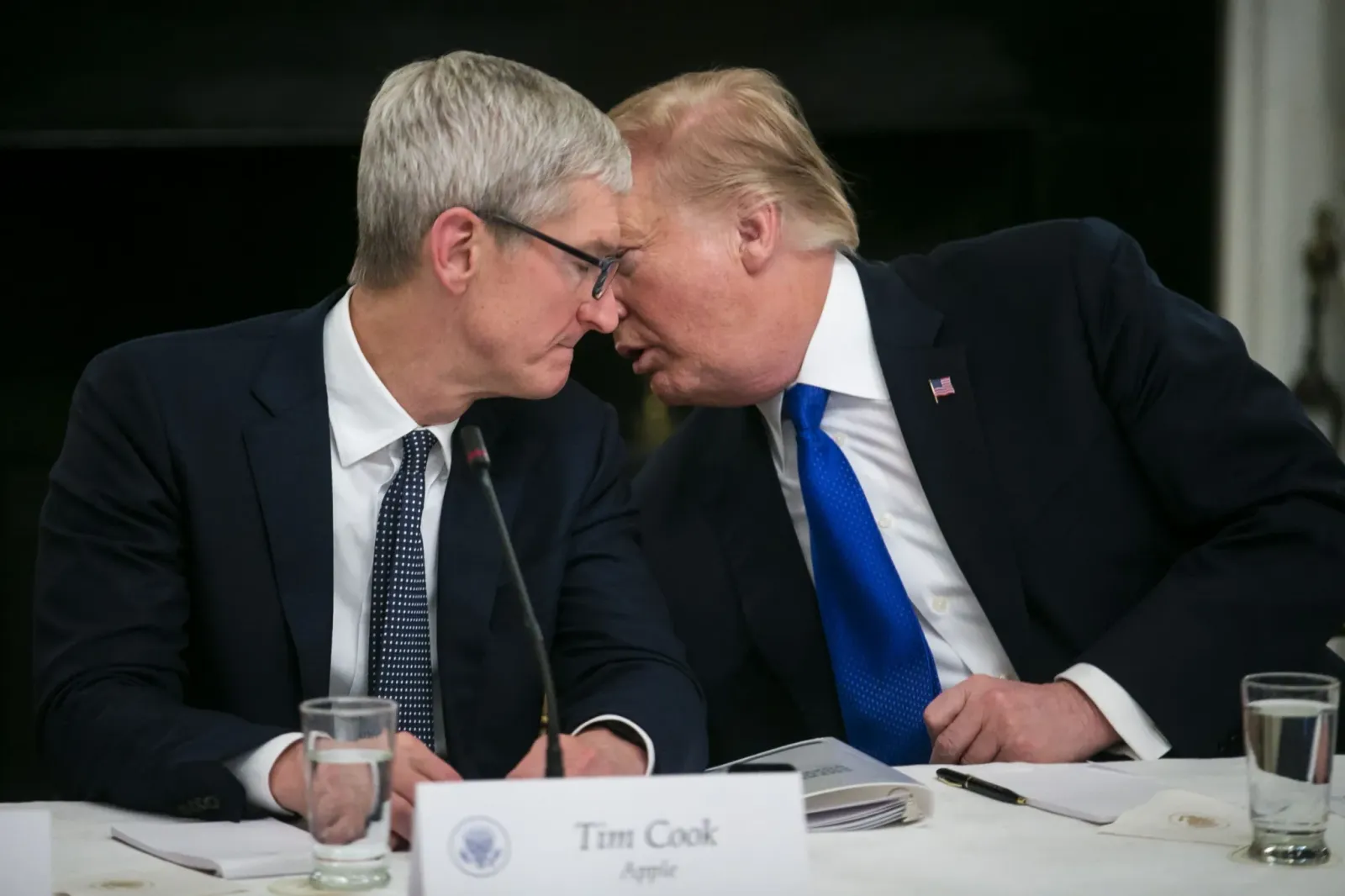
Tim Cook steps down as Apple CEO, stays on as chair with $45M equity
The 'Trump whisperer' keeps his White House and Beijing access as Apple navigates tariffs and a $4.6 trillion market cap.

Snowflake shares surge as AI data demand crushes estimates, lifting full-year forecast
Stocks jumped on stronger-than-expected guidance, signaling enterprise AI workloads are accelerating faster than Wall Street priced in.