
Oil nears $100 after Saudi attacks; UK gas hits 184p, highest since Jan 2023
Houthi strikes on Saudi energy facilities push crude toward $100 and UK gas to 184p, forcing European storage decisions before winter.

Saudi authorities confirmed Houthi attacks on energy facilities, driving oil toward $100 and UK month-ahead gas to 184p, the highest since January 2023. European buyers now face higher refill costs and tighter margins as winter storage deadlines approach.
Saudi authorities said operations at some energy facilities have been attacked by Yemen's Iran-aligned Houthis, a strike that pushed oil prices toward $100 a barrel and sent UK month-ahead gas to 184p a therm, up around 1% and close to yesterday's highs when gas hit its highest since January 2023. For European energy buyers, the timing is brutal: they are in the final stretch of refilling storage caverns before winter, and every tick higher in the forward curve raises the cost of locking in supply. The Saudi confirmation is not a minor incident; it is a direct hit on the kingdom's export infrastructure, and markets are pricing in the risk that more attacks follow, keeping a geopolitical premium firmly in place.
The 184p level is not just a round number. It marks a return to the pricing environment that prevailed before the 2023 demand slump, when European buyers were still adjusting to the post-invasion supply shock. The 1% rise this morning is modest, but the trajectory matters more than the daily move: gas has been climbing steadily for weeks as storage inventories run lower than seasonal norms and as liquefied natural gas cargoes compete with Asian buyers. For a CFO of a manufacturing firm or an energy-intensive utility, this is the moment to revisit hedging strategies, because the gap between current spot prices and winter delivery contracts is widening, and waiting for a pullback is a bet against a market that has repeatedly proven its ability to spike.
The oil market is telling a similar story. Brent crude approaching $100 is a psychological threshold that triggers algorithmic buying and forces airlines, shipping lines, and chemical companies to reassess fuel budgets. The Houthi attacks on Saudi facilities are not new; the group has targeted the kingdom's oil infrastructure for years, but the frequency and precision of recent strikes have increased, and the coalition's ability to intercept drones and missiles is being tested. Each successful hit on a processing unit or export terminal threatens a meaningful slice of global supply, and the market is now pricing in a higher probability of sustained disruption rather than a one-off event.
European regulators are watching this with alarm. The European Union set binding storage targets for member states, requiring 90% capacity by November 1, and several countries are behind schedule. Higher gas prices directly increase the cost of meeting those targets, and governments may have to choose between subsidizing imports, relaxing environmental rules, or allowing prices to pass through to households and industry. The political pressure is acute: winter energy bills are a flashpoint in every national election, and a spike in gas prices now could trigger emergency interventions, including price caps or windfall taxes on energy producers, which would reshape the investment calculus for every company in the sector.
For boards and CFOs, the second-order effects are broader than the energy line item. Rising oil and gas prices feed directly into inflation expectations, which in turn influence central bank policy. If the European Central Bank and the Bank of England see energy costs pushing headline inflation higher, they will keep interest rates elevated for longer, raising the cost of capital for every corporate borrower. That means the Houthi attacks are not just a procurement problem; they are a treasury problem, a supply chain problem, and a strategic planning problem all at once. Companies that locked in fixed-price energy contracts earlier in the year are now sitting on a competitive advantage, while those that stayed exposed to spot prices are facing margin compression that will be hard to recover from.
The strategic stakes for peers in similar roles are clear: resilience is now a board-level priority, not a back-office function. Energy-intensive industries should be stress-testing their supply chains against a scenario where oil stays above $100 and UK gas remains above 180p for the entire winter. That means diversifying suppliers, investing in on-site generation or storage, and renegotiating long-term contracts with escalators that protect against volatility. It also means engaging with regulators early, because governments will be more receptive to energy security arguments than to cost arguments when the headlines are dominated by attacks and price spikes.
Finally, the geopolitical dimension cannot be ignored. The Houthis are backed by Iran, and their attacks are a lever in a broader regional confrontation. Saudi Arabia's response will determine whether this is a temporary spike or a sustained conflict that keeps energy markets on edge for months. European leaders have been trying to de-escalate tensions with Iran, but an attack on Saudi soil complicates those efforts and may push the kingdom to retaliate, which would further tighten supply. For any executive with exposure to energy costs, the prudent move is to assume volatility is the baseline, not the exception, and to build flexibility into every budget and contract. The days of cheap, predictable energy are not returning this winter, and the decisions made in the next few weeks will determine who weathers the storm and who gets caught without cover.
This story's Key Insights and Take-aways are locked.
Create a free account to unlock Executive Actions for one credit.
Register to UnlockAlways free for Executives Club members. Join the Club
More in Business
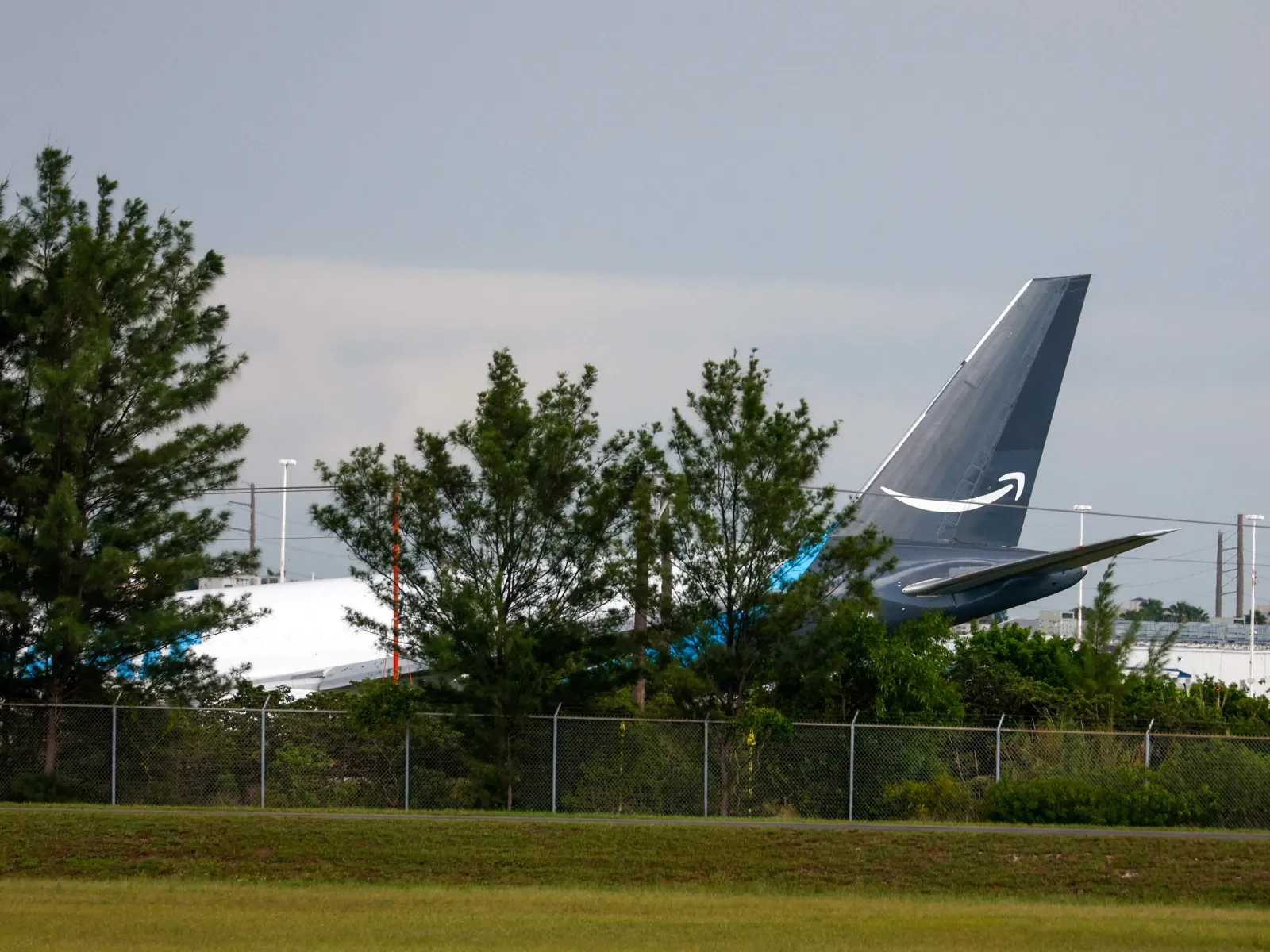
Amazon Prime Air 767 overshoots Miami runway, killing at least 5
The Boeing 767 freighter from San Juan struck vehicles and erupted in flames, prompting a ground stop and a fresh NTSB investigation into Amazon's air cargo network.

Death sentence for TV presenter Sarah Khalifa: Egypt's drug case hits media
The sentencing of Sarah Khalifa and 11 others underscores the severity of Egypt's anti-drug laws and the exposure of public figures to capital punishment.
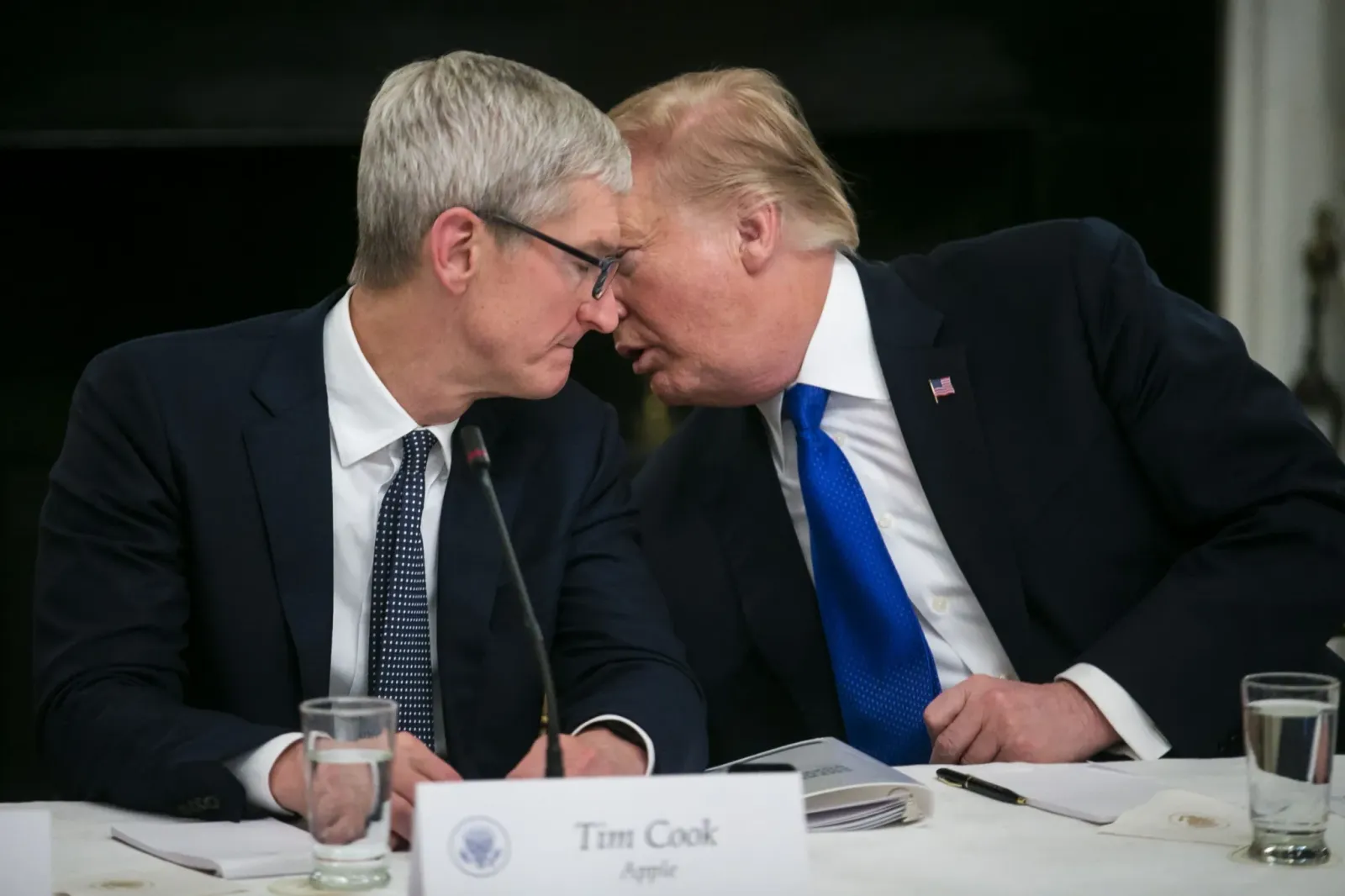
Tim Cook steps down as Apple CEO, stays on as chair with $45M equity
The 'Trump whisperer' keeps his White House and Beijing access as Apple navigates tariffs and a $4.6 trillion market cap.