
One Banana's Farm-to-Store Trip Reveals the Iran War's Economic Toll
The New York Times traced a single banana from plantation to supermarket, showing how the conflict's shockwaves reach the produce aisle.
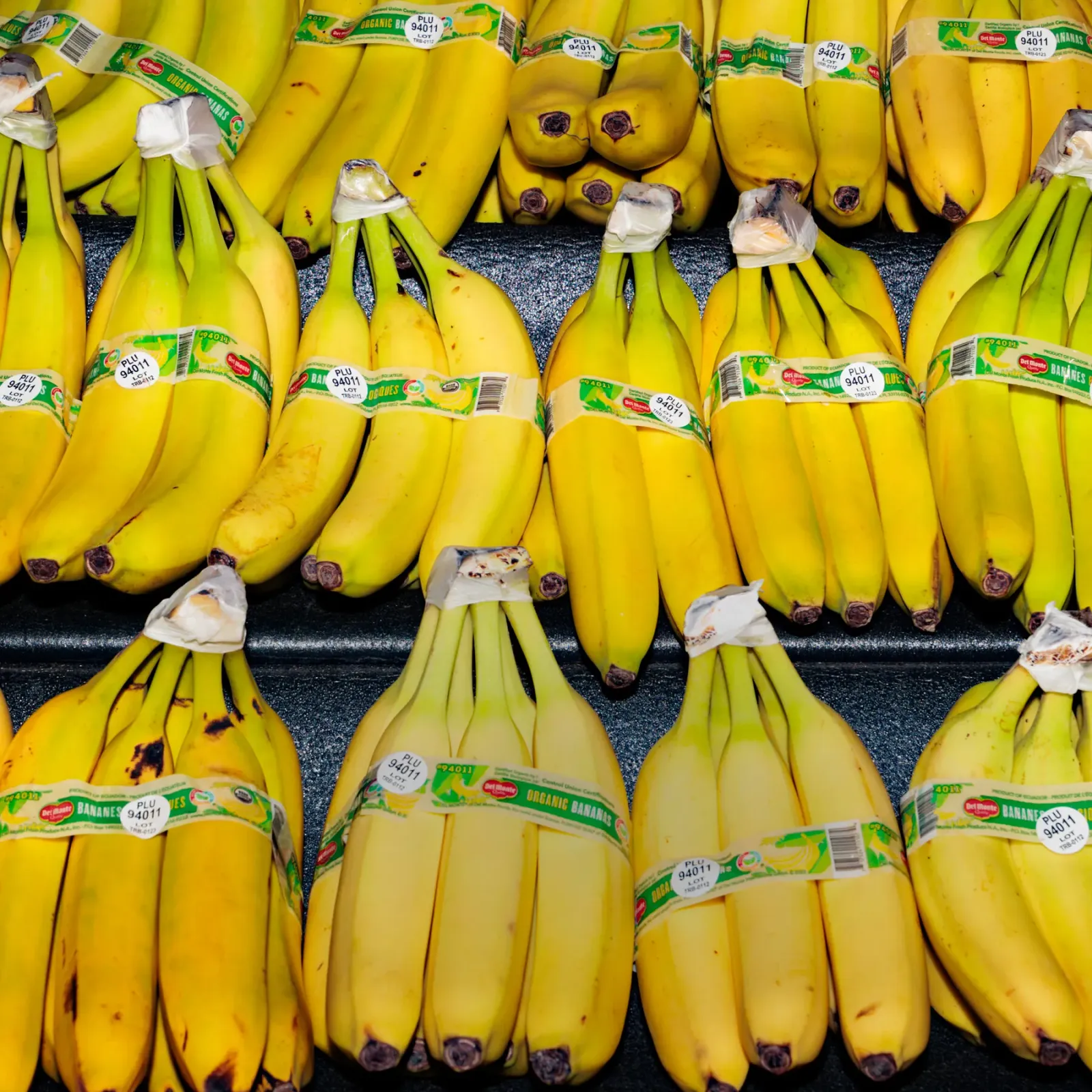
The New York Times traced one banana's journey from farm to store, revealing how the Iran war's economic effects have cascaded into America's favorite fruit. For executives, the story underscores how distant conflicts can disrupt supply chains and raise costs in unexpected industries.
The New York Times followed a single banana from a plantation to a US supermarket, and the trip reads like a map of the Iran war's economic fallout. The fruit, America's favorite, is being bruised not by bombs but by the conflict's cascading costs: pricier fuel, tighter shipping capacity, and rising insurance premiums that ripple through the global supply chain. The report is a case study in how a distant war reaches the produce aisle, and it carries a warning for every executive who assumes their industry is insulated from geopolitical risk.
The banana's journey is a masterclass in second-order effects. Even though the fruit never sails near the Strait of Hormuz, the war has disrupted global shipping markets, and those disruptions do not respect geography. When some routes become riskier, carriers reallocate vessels, capacity tightens, and freight rates climb everywhere - including on the refrigerated ships that carry bananas north from Latin America. The New York Times report shows how the war's economic effects have cascaded into surprising industries, and bananas are just the most visible example.
Bananas are a low-margin, high-volume business. A single container holds thousands of boxes, and a few cents per pound can mean the difference between profit and loss for growers and shippers. The fruit is also perishable, so there is no luxury of waiting out price spikes. Every step of the journey - harvesting, packing, cold storage, ocean transport, trucking - depends on fuel and logistics, both of which are now more expensive because of the war. For a product that is already sold at razor-thin margins, even a small increase in input costs can squeeze the entire chain from farm to store.
The chain of causation runs through global energy markets. The conflict has contributed to higher oil prices, which raise fuel costs for ships and trucks. It has also increased war-risk insurance premiums for vessels operating near the Middle East, and those costs are spread across the entire shipping industry through higher rates. Even a banana ship that never leaves the Western Hemisphere feels the pressure, because the global freight market is a single pool: when some routes become more expensive, carriers raise rates on all routes to maintain margins. This is the mechanism the New York Times report illuminates, and it is a reminder that no supply chain is an island.
The journey itself is a feat of modern logistics. Bananas are typically grown in countries like Ecuador, Costa Rica, and Guatemala, then loaded onto refrigerated container ships that cross the Panama Canal and dock at US ports. From there, trucks carry the fruit to distribution centers and stores. Each leg of the trip is a cost center, and each cost center is now feeling the pressure of the war's economic shock. The report traces one banana through this network, showing how a conflict in the Middle East can add friction at every point, from the fuel that powers the harvest equipment to the electricity that keeps the cold chain intact.
For consumers, the most visible effect may be at the checkout counter. Grocery stores operate on thin margins and often use bananas as a loss leader to draw customers. That means retailers may be reluctant to raise prices, absorbing the added costs themselves. But if shipping costs stay elevated, those increases will eventually have to pass through, either in the price of bananas or in the prices of other imported goods. The banana is a bellwether: because it is perishable, low-margin, and universally consumed, it is often the first product to show the strain of supply-chain disruptions.
The broader lesson for executives is that geopolitical risk is supply-chain risk, even for products that seem far from the conflict. The banana's journey is a reminder that the global economy is a single, interconnected system. A war in the Middle East can raise the cost of a fruit grown in Latin America and sold in an American supermarket. Companies that map their supply chains and stress-test for such shocks will be better positioned than those that assume distance equals safety. The New York Times report is not just about bananas; it is about the hidden threads that tie every business to every conflict.
For decision-makers, the takeaway is to watch leading indicators like freight rates, fuel prices, and insurance premiums. These are the early warning signs of cost pressures that will eventually reach their own products and customers. The banana is just the beginning. As the war continues, expect more surprising industries to feel the bruise - and expect the companies that prepared for cascading effects to come out ahead.
This story's Key Insights and Take-aways are locked.
Create a free account to unlock Executive Actions for one credit.
Register to UnlockAlways free for Executives Club members. Join the Club
More in Business

Elon Musk unveils a flying car, and SpaceX helped build it
The Tesla CEO's showcase at a SpaceX facility signals a future where road and rocket engineering converge.

Apple's $2,000 iPhone Duo opens preorders, taking on Samsung and Google
Apple's first foldable hits the market at a premium price, reshaping a category Samsung and Google have led.

Pope Leo XIV, first American pope, diagnosed with lung cancer
The 71-year-old Chicago-born pontiff underwent successful surgery on his right lung, and his diagnosis raises new questions about his AI-focused papacy and the Vatican's future.