

Orcas smash fish on camera, and researchers say it may be strategy or play
A new video shows orcas destroying fish, raising a real question for researchers: is it training, or just amusement?
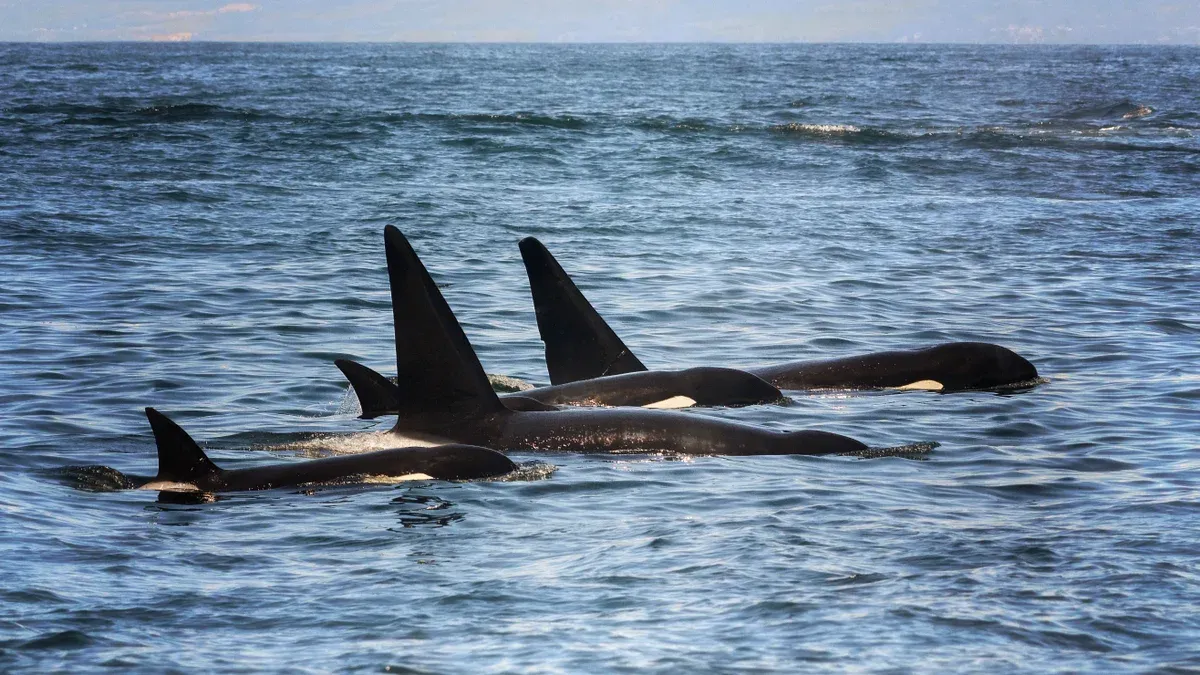
A Scientific American report highlights video of orcas smashing fish to smithereens. Researchers say the behavior could either help younger orcas feed or reflect the animals' own amusement.
A video is giving researchers a front-row seat to a behavior that looks violent, messy, and surprisingly deliberate: orcas smashing fish to smithereens. Scientific American reports that the behavior is visible on camera, and that the key mystery is not whether the orcas can do it. They clearly can. The mystery is why they do it.
The researchers quoted in the piece frame two plausible explanations. One is practical and social: it could be a strategy that helps younger orcas learn how to feed. The other is psychological and simpler: the orcas may be doing it for their own amusement. That split matters because it changes what the behavior means in the orcas' lives and how we interpret animal intelligence.
If you have ever watched a group animal learn a skill, the “strategy” interpretation feels intuitive. Younger members need opportunities to practice, and the group dynamic can turn awkward attempts into competence. In this framing, the fish-smashing is not random mayhem. It could be the ecosystem's version of reps and feedback, where learning happens through action and observation. That is a big deal for researchers because it links a visible act to a developmental purpose, rather than treating it as mere spectacle.
But the report also keeps the door open to the second explanation, and it is where the story gets harder to file away. “For their own amusement” is not a throwaway line. It implies the orcas are choosing a behavior that provides enrichment even if it is not strictly required for feeding. That distinction can ripple into how scientists measure animal behavior in general. If play is part of the behavior, then the “why” is partly about cognition and preference, not only nutrition.
Here is where this becomes more than an animal curiosity. When a behavior can be interpreted as either learning strategy or play, it affects what researchers can conclude from observation. It can also shape what kinds of future studies get funded and how quickly results get accepted. In practical terms, the ambiguity means scientists need to gather additional evidence, like context around which orcas perform the behavior, how often it happens, whether younger animals are present, and whether the actions correlate with improved feeding outcomes.
This matters for boards and decision-makers in adjacent domains because the same kind of interpretive fork shows up in other fields: nature, technology, and business alike. You can see activity. You can measure outputs. But the “intent” question often decides whether the story is about training and adaptation or about entertainment and autonomy. When intent is unclear, resources tend to go toward better data collection, clearer experimental design, and more careful reporting. The orcas case is a reminder that a compelling video is the start of a scientific conversation, not the end.
There is also a regulatory and ethics angle, even though the story is primarily about animal behavior. Public interest in striking animal behavior can increase scrutiny of research methods and keepers’ practices. Regulators and oversight bodies tend to pay closer attention when audiences react viscerally. In this case, the headline behavior is literally “smashing fish to smithereens,” which is likely to trigger strong reactions from the public. That means researchers and institutions must be extra careful in how they describe welfare implications, avoid anthropomorphic overreach, and explain what they do and do not know.
Second-order implications extend to conservation messaging too. If orcas are using the behavior to help younger animals feed, it could suggest something about cultural transmission of hunting skills within pods. If it is play, it still speaks to cognitive richness, which can bolster arguments for treating these animals as more than just apex predators. Either way, the behavior provides material for public education, but the interpretation changes the narrative. Strategy supports learning and survival; play supports mental well-being and complexity.
For executives, investors, and operators in research-adjacent ecosystems, this is a sober lesson: content that goes viral can either accelerate discovery or distort it. When the explanation is “strategy or amusement,” the next chapter is not guessing. It is verification. The stakes are real for peers who lead teams that translate science for the public, because they have to balance curiosity with accuracy. The orcas might be teaching, or they might just be enjoying themselves. Either interpretation demands careful follow-up, and the smartest organizations will treat that ambiguity as the point, not the problem.
This story's Key Insights and Take-aways are locked.
Create a free account to unlock Executive Actions for one credit.
Register to UnlockAlways free for Executives Club members. Join the Club
More in Science
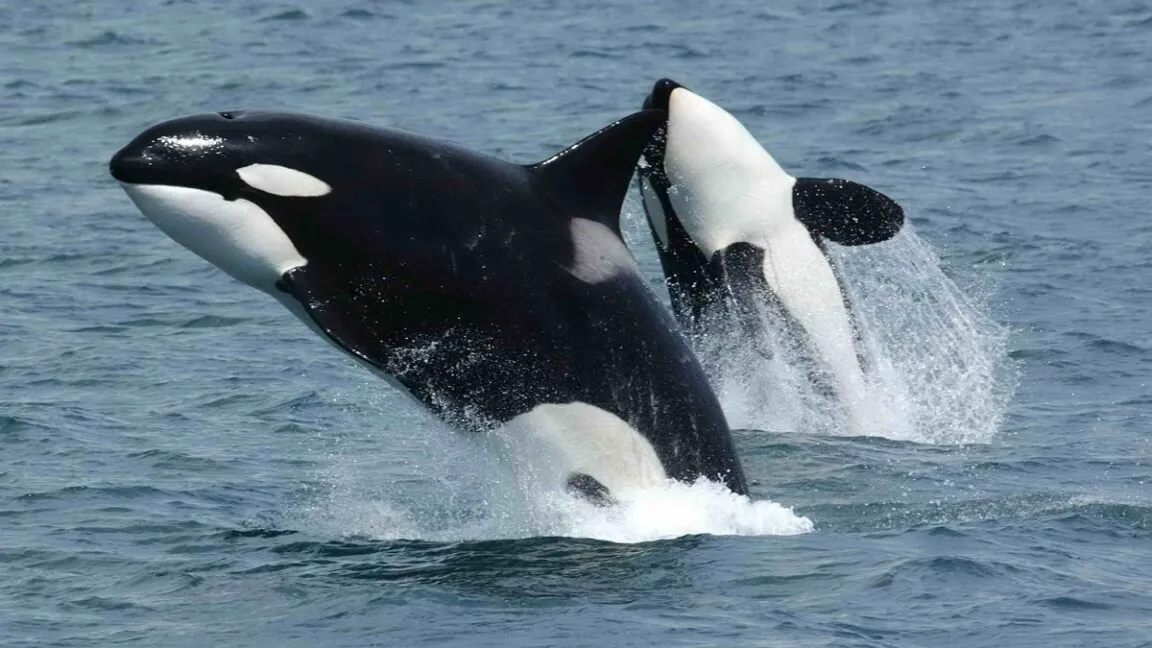
Orcas in Gulf of California ram sunfish together until the carcasses explode
A new Frontiers in Ethology paper documents cooperative “ramming” that may be practice, play, or social learning.
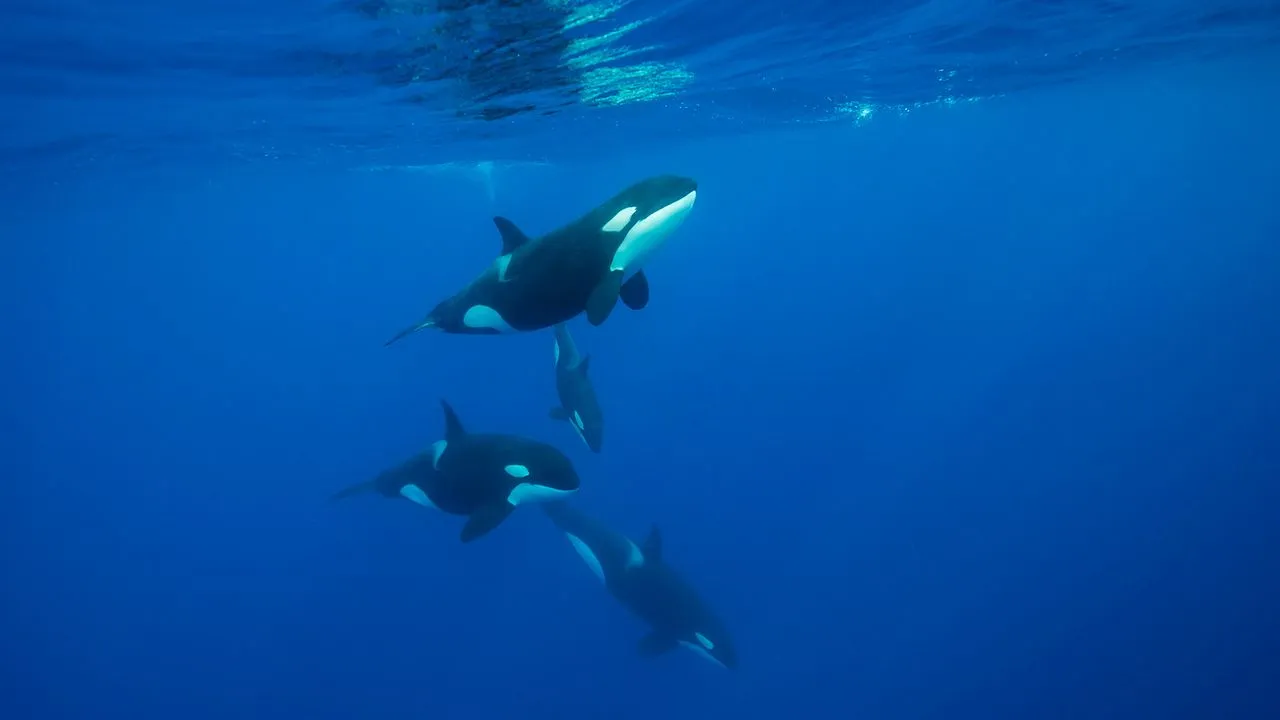
Orcas “ram-to-fragment” dead sunfish into bite-sized pieces for calves
Two Gulf of California observations show coordinated hold-and-release smashing, with scientists calling it “ram-to-fragment.”

8 million+ households hit by hosepipe bans, raising alarms about water management effectiveness
The BBC reports bans covering more than eight million households. Here is why executives should care, and what it signals.