
Oura’s new ring shrinks 40% and cuts the old model 20% off
The latest Oura Ring is now the smallest smart ring on the market, while the prior version gets a price cut that could pressure rivals and reshape upgrade timing.
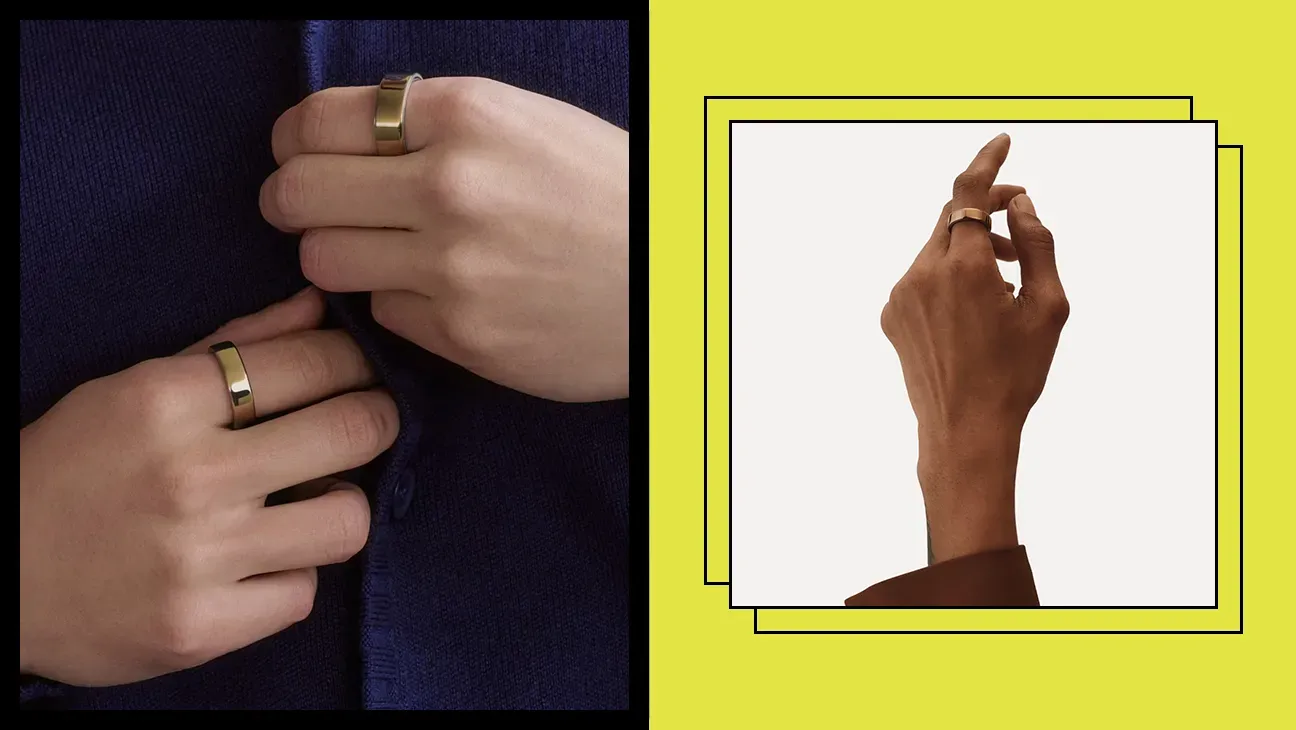
Oura has launched its latest generation smart ring, which the company says is 40 percent smaller and officially the smallest smart ring on the market, while the previous model is now 20 percent off. For decision-makers, that combination signals a push to widen the product gap on design while using discounting to keep demand moving through the lineup.
Oura just made a pretty clean statement about where it thinks the smart ring market is headed: smaller is better, and the latest version of its ring is 40 percent smaller than before. The company says the new generation is now officially the smallest smart ring on the market, which is a neat flex in a category where fit, comfort, and all-day wearability are the whole game. If a wearable is supposed to disappear on your hand, shaving down the size is not cosmetic, it is the product.
The other half of the move matters just as much. Oura’s previous model is now 20 percent off, which turns the launch into both an upgrade pitch and a demand-management play. New hardware arrives at the top end, while the older version gets cheaper for buyers who want the brand without paying full freight. That kind of two-track setup is common in consumer tech because it helps a company defend premium positioning while avoiding a hard reset that leaves the last generation stranded on the shelf. In plain English: one product says, look how far we have come, and the other says, you can still get in cheaper today.
For Oura, that is a smart way to keep the category moving. Smart rings are a niche inside the much larger wearables market, but they compete against smartwatches, fitness bands, and the basic fact that most people do not want another device to charge every night. A smaller ring is easier to wear, easier to forget about, and easier to imagine as an always-on health tracker. That matters because wearables are won and lost on habit. The more seamless the device feels, the more likely users are to keep it on long enough for the data to become useful.
This also says something about how product companies protect their moat when the hardware itself can be copied faster than the brand can be rebuilt. In categories like wearables, industrial design becomes a strategic weapon. A smaller device can support a stronger premium narrative, a cleaner product story, and a sharper contrast with rivals that may still look bulky by comparison. Even without any new claims about sensors, software, or health features in the source here, size alone can change how a product is perceived in the market. It is the difference between a gadget and something that feels closer to jewelry, which is exactly where a lot of consumer tech companies want the conversation to go.
The 20 percent discount on the older model also hints at the practical realities of hardware economics. When a company launches a new generation, it has to decide how aggressively to clear inventory, how much to protect margins, and how to prevent the previous version from cannibalizing the new one. A price cut on the old model can widen the addressable market without requiring a new manufacturing breakthrough. It also gives the company a way to segment customers: the design-conscious buyer can pay for the newest and smallest version, while the value-conscious buyer can still buy into the ecosystem at a lower price. That is especially useful in consumer hardware, where the upgrade cycle is never as clean as the marketing deck makes it sound.
There is also a second-order implication for competitors and for anyone watching the wearables race. If Oura can credibly claim the smallest smart ring marketwide, it raises the bar for rivals that have leaned on the idea that smart rings are already discreet enough. In category battles, the winner is often the company that makes the next improvement feel obvious after the fact. Once one player makes a ring materially smaller, everyone else has to answer the question: can we match that, beat it, or make size stop mattering? That question can shape product roadmaps, pricing, and the timing of future launches.
For executives, the bigger lesson is that launch strategy is no longer just about shipping new hardware. It is about orchestrating a ladder of products so the newest one feels aspirational, the previous one still feels viable, and the whole lineup keeps the brand in motion. Oura’s move does all three at once with very little fuss. It introduces a more compact flagship, gives bargain-hunting buyers a cheaper path into the brand, and reinforces the idea that this category still has room to improve on basics that matter in daily use. For any company selling devices people wear, carry, or live with, that is the real race: not just building a product, but making the product feel easier to choose, easier to keep, and harder to replace.
This story's Key Insights and Take-aways are locked.
Create a free account to unlock Executive Actions for one credit.
Register to UnlockAlways free for Executives Club members. Join the Club
More in Business

Anthropic’s Levant Alpöge cracks the Jacobian conjecture after 87 years
A Harvard valedictorian used Claude to hit a 1939 breakthrough, but the missing “why” is the real problem.

Uber buys Delivery Hero for nearly $15B, vaulting to top food delivery outside China
The deal doubles Uber's dual-services footprint and pushes a ride-and-eats bundling play into 50 more markets.

Epic and Google drop settlement bid, forcing rival Android app stores by July 22
Google told the court it is ready to carry third-party app stores starting Wednesday, July 22.