

Ozempic linked to nail detachment and hair loss - weight loss isn't the cause
New research shows GLP-1 users face several-times-higher rates of nail, hair, and scalp issues - and the weight loss itself doesn't explain it.
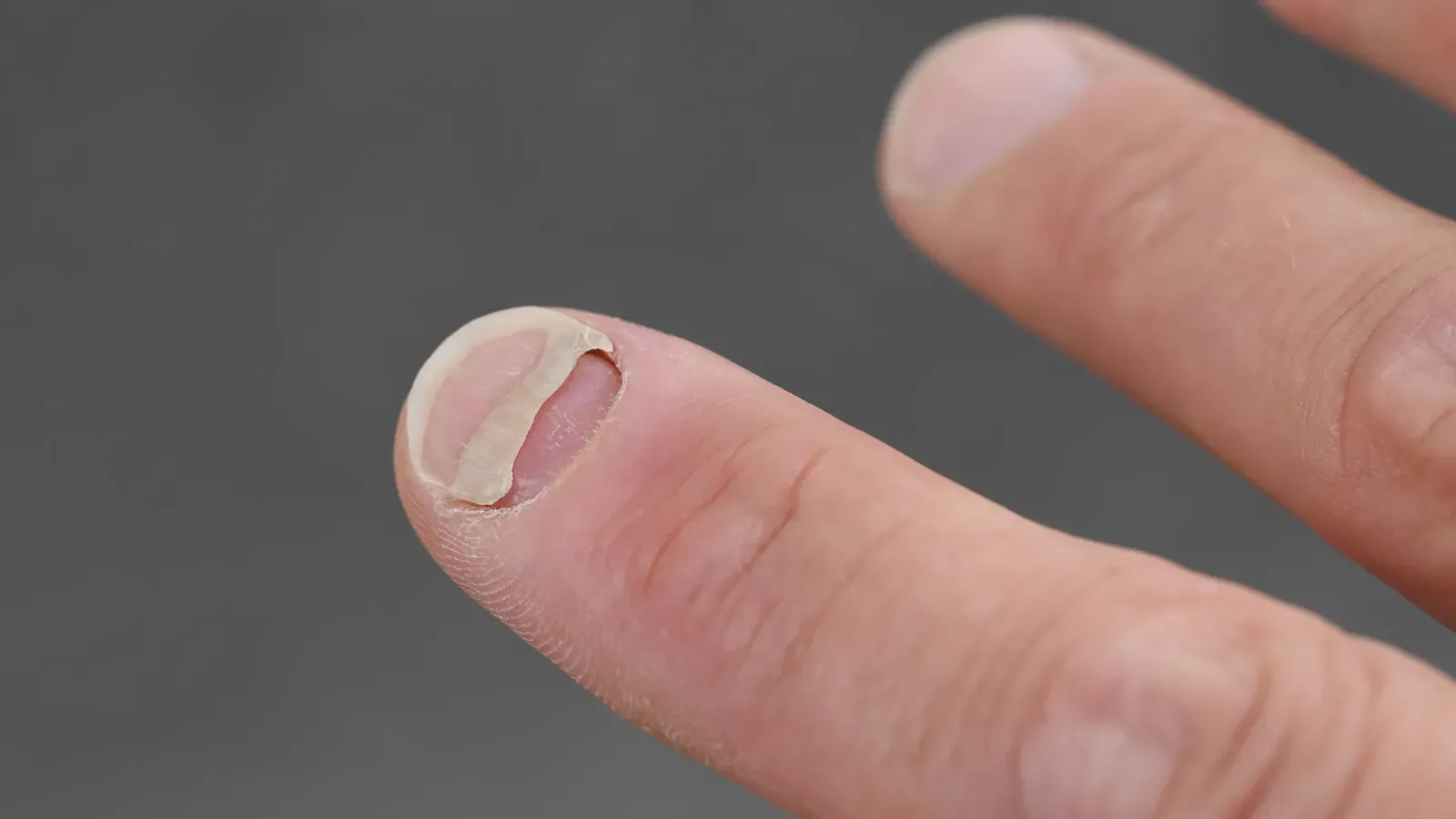
Researchers found that popular GLP-1 drugs like Ozempic and Wegovy are associated with significantly higher rates of nail detachment, hair loss, and scalp inflammation, with some problems occurring several times more often among users. The findings suggest these overlooked symptoms may have causes beyond weight loss, raising new questions for patients, prescribers, and drugmakers.
The blockbuster weight loss drugs Ozempic and Wegovy have a new, unflattering side effect to add to their label: nail detachment, hair loss, and scalp inflammation. According to new research, these problems occur at unexpectedly high rates among users, with some conditions showing up several times more frequently than in non-users. The study, reported by ScienceDaily, adds to a growing list of dermatologic complaints tied to GLP-1 receptor agonists, the class of drugs that has reshaped obesity treatment and turned Novo Nordisk into Europe's most valuable company.
Here is the twist that makes this finding more than a footnote: the researchers found that weight loss alone could not fully explain the differences. That is significant because rapid weight loss is a known trigger for hair shedding and other skin changes. If the numbers hold, it suggests the drugs themselves - not just the metabolic shift they cause - may be driving these symptoms. The study points to a direct pharmacological effect that has been largely overlooked in clinical trials and real-world prescribing.
For context, GLP-1 drugs work by mimicking a gut hormone that regulates appetite and blood sugar. They have exploded in popularity, with millions of patients now taking them for weight management and type 2 diabetes. Any new safety signal at this scale matters. Nail detachment, or onycholysis, is not life-threatening, but it is visible, distressing, and can erode patient confidence. Hair loss and scalp inflammation carry similar psychological weight. For a drug class already facing scrutiny over muscle loss and gastrointestinal side effects, these dermatologic issues add another layer of risk to the patient experience.
The study's authors did not specify the exact mechanism, but they emphasized that the frequency of these problems was too high to be dismissed as coincidence. The fact that weight loss did not account for the difference points to a possible direct effect on hair follicles, nail beds, or inflammatory pathways. This is not a settled question - more research is needed - but the signal is strong enough that prescribers should start asking patients about these symptoms.
For pharmaceutical executives, the implications are immediate. Post-market surveillance is already a regulatory requirement, but this study underscores the value of proactive monitoring for less obvious adverse events. If regulators like the FDA or EMA decide to update labeling, that could trigger additional studies, patient communications, and even liability considerations. For Novo Nordisk and Eli Lilly, which dominate the GLP-1 market, any new safety concern could influence prescribing patterns and payer decisions, especially as employers and insurers weigh the cost of these drugs against their long-term benefits.
For physicians, the takeaway is practical: ask patients about nail and scalp changes during follow-up visits. Early identification can help manage expectations and prevent unnecessary discontinuation. For patients, the message is not to panic but to be aware. These side effects are generally reversible once the drug is stopped, but they can be uncomfortable and alarming. The study's authors suggest that these symptoms have been "overlooked" - a reminder that even the most celebrated drugs carry hidden trade-offs.
The broader lesson for the industry is that blockbuster status does not immunize a drug from accumulating a long tail of adverse events. As GLP-1 use expands beyond obesity into cardiovascular and other indications, the patient population will become more diverse, and rare side effects will surface more often. Companies that invest in robust real-world evidence and transparent patient education will be better positioned to maintain trust. Those that ignore signals like this risk a reputational hit that no marketing budget can fix.
For boards and C-suites, the strategic stake is clear: safety data is a competitive advantage. The next wave of obesity drugs will be judged not just on efficacy but on tolerability. A drug that causes less hair loss or fewer nail problems could win over patients and prescribers alike. This study is a small but telling data point in that arms race. The companies that treat dermatologic side effects as a design constraint, not an afterthought, will be the ones that thrive in the post-Ozempic era.
This story's Key Insights and Take-aways are locked.
Create a free account to unlock Executive Actions for one credit.
Register to UnlockAlways free for Executives Club members. Join the Club
More in Science

Alaska's 1,580-foot tsunami had warning signs. Scientists just found them.
Rapid glacier retreat, heavy rainfall, and thousands of tiny tremors preceded Alaska's 1,580-foot tsunami, a warning for every coastal community in a warming world.

The rare mutation that lets high-risk brains dodge Alzheimer's
Scientists found a natural defense against protein buildup, opening a new path to preventive treatments.

3,000 steps a day may halve Alzheimer's decline, study finds
New research links a modest daily walk to less tau buildup and nearly half the cognitive and functional decline, even for those with early signs.