

Paramount's $1.88B Bond Demand Puts States on the Hook for Warner Bros.
The media giant argues state attorneys general must post a massive bond to block its merger, a move courts have historically resisted.
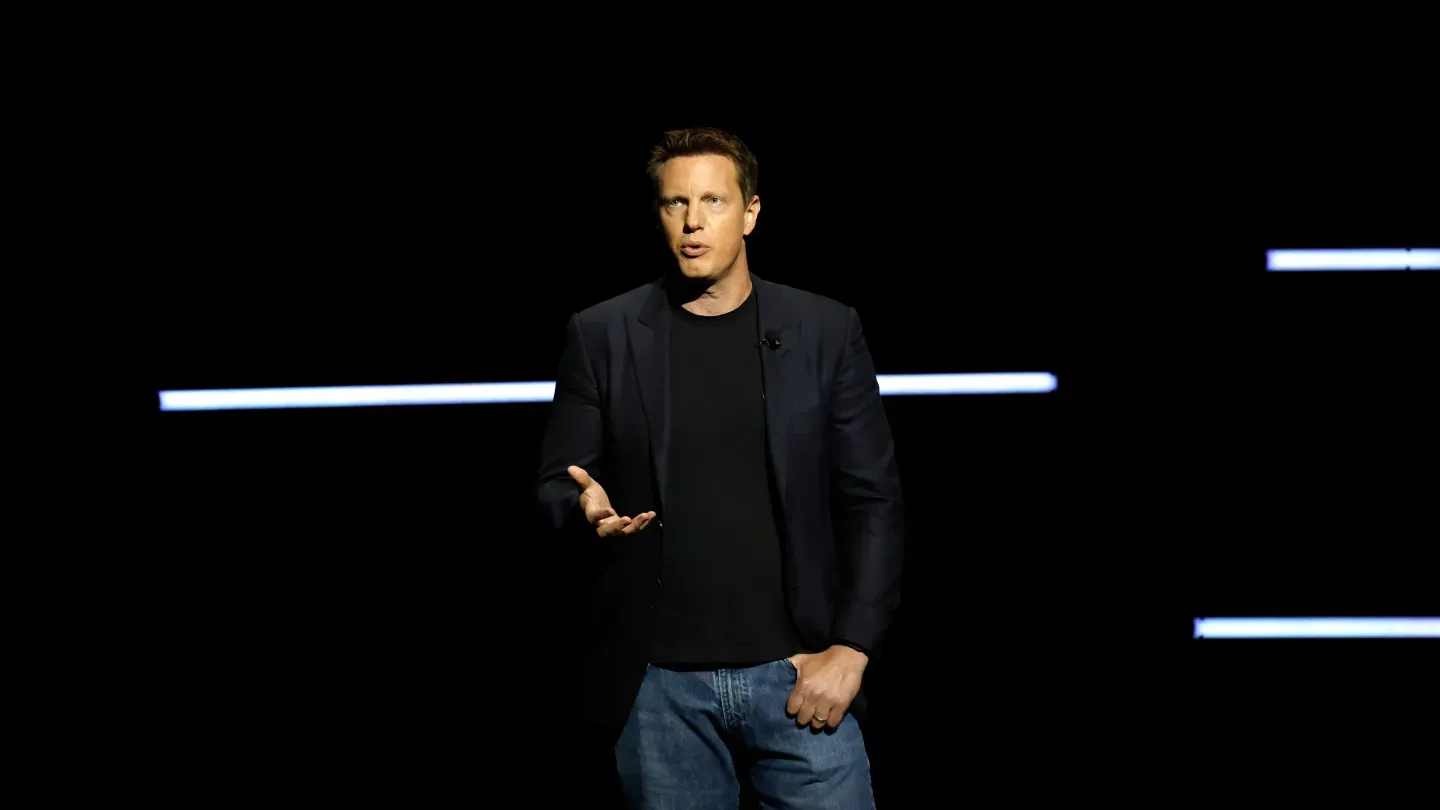
Paramount is arguing that the states challenging its merger must post a $1.88 billion bond to cover Warner Bros. bills if the deal is blocked. The demand flips the usual script, where courts rarely require such bonds from government plaintiffs, and could reshape the merger's outcome.
Paramount is asking the states challenging its merger to put up a $1.88 billion bond to cover Warner Bros. bills if the deal is blocked. The demand, reported by The Hollywood Reporter, is a bold procedural gambit that turns the usual merger litigation dynamic on its head: instead of the company posting a bond to protect against an injunction, the government plaintiffs would have to front the cash to keep fighting. The states have stressed that Paramount proposed this term to win over shareholders, framing it as a strategic sweetener rather than a genuine legal necessity.
Courts have historically side-eyed massive bonds in merger cases, particularly when the government challenges the deal. The reasoning is straightforward: requiring a state attorney general to post a nine-figure bond could chill legitimate antitrust enforcement, effectively letting companies buy their way out of regulatory scrutiny. Judges have been reluctant to impose such costs on public plaintiffs, who are typically seen as acting in the public interest rather than for private gain. That precedent is now being tested in a high-stakes media merger, and the outcome could set a new tone for how regulatory challenges are financed.
The $1.88 billion figure is not trivial. It dwarfs the typical bond amounts seen in merger litigation, which often range in the millions rather than billions. The size alone signals that Paramount is serious about making the states feel the financial weight of their opposition. But the move is also a double-edged sword: if a court agrees to require the bond, the states might either drop their challenge or be forced to allocate scarce public resources to a fight they might otherwise pursue. If the court rejects the demand, Paramount loses a potential bargaining chip but still gets to argue it was willing to put its own money on the line.
The underlying dispute appears to stem from Warner Bros.'s contractual exposure if the merger fails to close. While the source does not specify the exact nature of the bills, merger agreements often include termination fees, break-up costs, or other obligations that kick in when a deal collapses. By asking the states to cover those costs, Paramount is essentially arguing that the government should bear the financial risk of its own regulatory intervention. That is a provocative position, and one that courts have historically been wary of endorsing.
For shareholders, the bond demand is a signal of confidence. If Paramount is willing to push the states to put up $1.88 billion, it suggests the company believes its merger is legally sound and that any challenge is frivolous. The states, however, counter that the proposal was designed to win over investors, not to reflect legal reality. That tension is at the heart of the dispute: is this a legitimate procedural request or a public relations stunt dressed up as litigation strategy?
The broader context matters. Merger challenges by state attorneys general have become more common in recent years, particularly in tech and media deals. These challenges often run parallel to federal antitrust reviews, and they can be just as consequential. If Paramount succeeds in forcing a bond, it could embolden other companies to make similar demands, potentially raising the cost of regulatory opposition. That would be a significant shift in the balance of power between dealmakers and enforcers.
For executives and boards watching this case, the implications are clear. The bond demand is not just a legal maneuver; it is a strategic tool that can influence deal certainty, shareholder sentiment, and regulatory behavior. Companies facing merger challenges should study how this plays out, because it could offer a new playbook for managing government opposition. At the same time, regulators and state attorneys general will be watching closely, aware that a ruling in Paramount's favor could make future challenges more expensive and more difficult to sustain.
The stakes extend beyond this single deal. If courts begin requiring government plaintiffs to post large bonds, it could fundamentally alter the economics of antitrust enforcement. State attorneys general often operate with limited budgets, and a $1.88 billion bond requirement would be a massive deterrent. That is precisely why courts have historically been reluctant to impose such conditions. Paramount's argument is a direct challenge to that precedent, and the outcome could redefine how merger litigation is financed for years to come.
For now, the ball is in the court's hands. The decision on whether to require the bond will likely come down to a balancing test: the public interest in enforcing antitrust laws versus the private interest in deal certainty. Paramount has made its case, and the states have made theirs. The ruling, whatever it is, will be a landmark moment for merger law and a cautionary tale for executives navigating regulatory scrutiny.
This story's Key Insights and Take-aways are locked.
Create a free account to unlock Executive Actions for one credit.
Register to UnlockAlways free for Executives Club members. Join the Club
More in Business
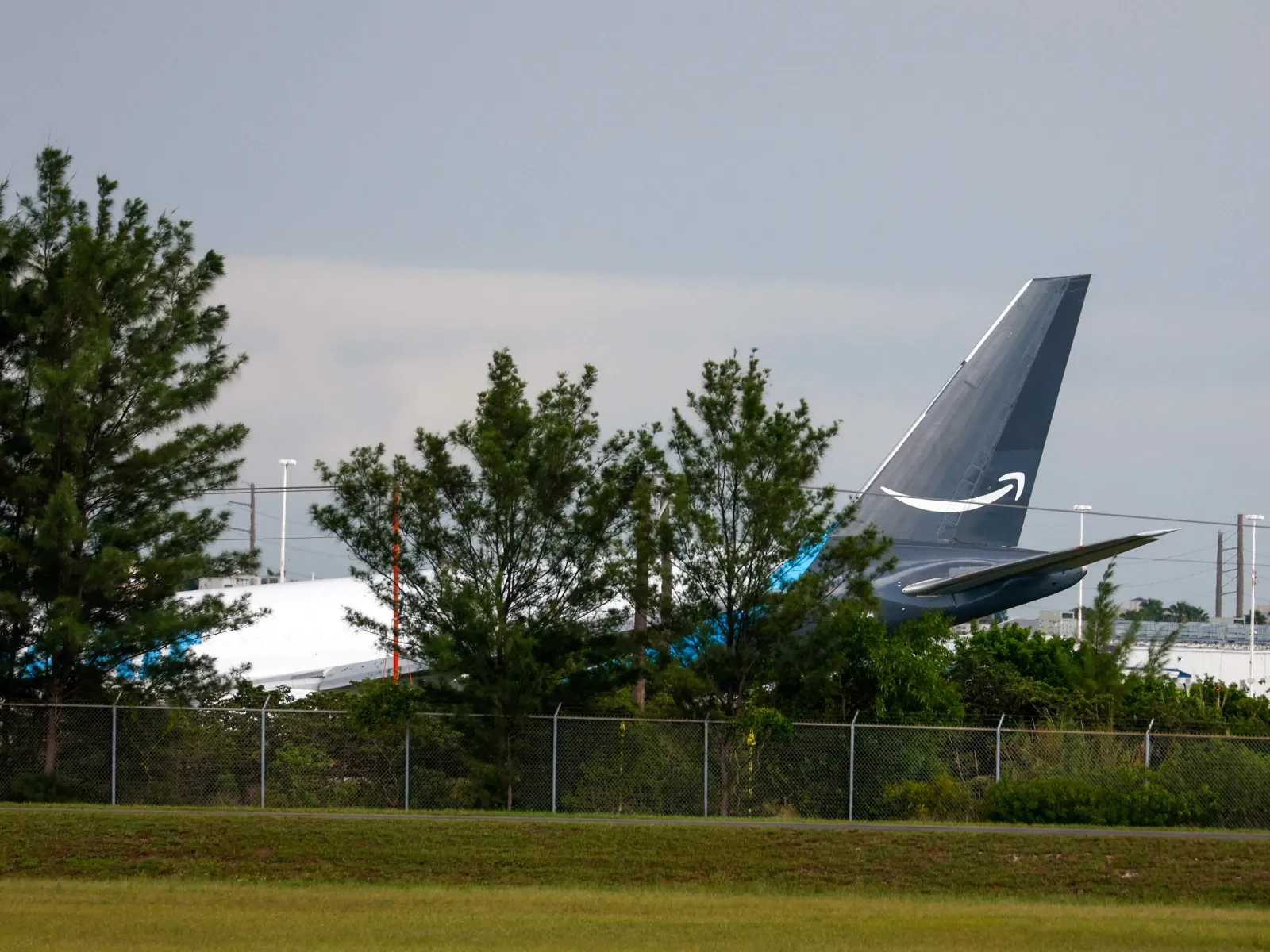
Amazon Prime Air 767 overshoots Miami runway, killing at least 5
The Boeing 767 freighter from San Juan struck vehicles and erupted in flames, prompting a ground stop and a fresh NTSB investigation into Amazon's air cargo network.

Death sentence for TV presenter Sarah Khalifa: Egypt's drug case hits media
The sentencing of Sarah Khalifa and 11 others underscores the severity of Egypt's anti-drug laws and the exposure of public figures to capital punishment.
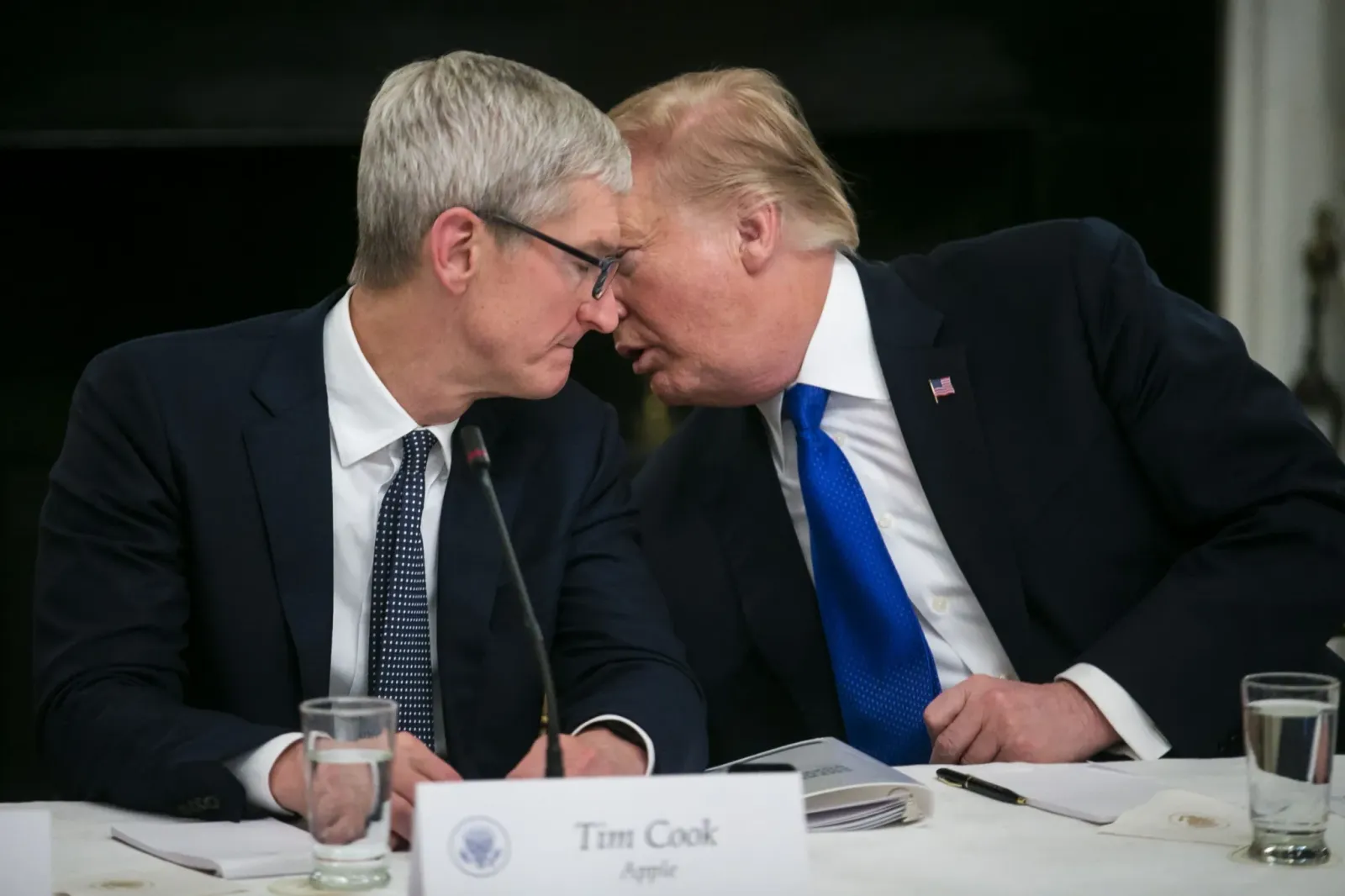
Tim Cook steps down as Apple CEO, stays on as chair with $45M equity
The 'Trump whisperer' keeps his White House and Beijing access as Apple navigates tariffs and a $4.6 trillion market cap.