
Parker Finn’s Smile sequel lineup expands with a horrifying follow-up after a 2-year delay
After Smile 2’s 2024 hit, the franchise is officially adding another sequel, reshaping horror expectations and planning timelines.
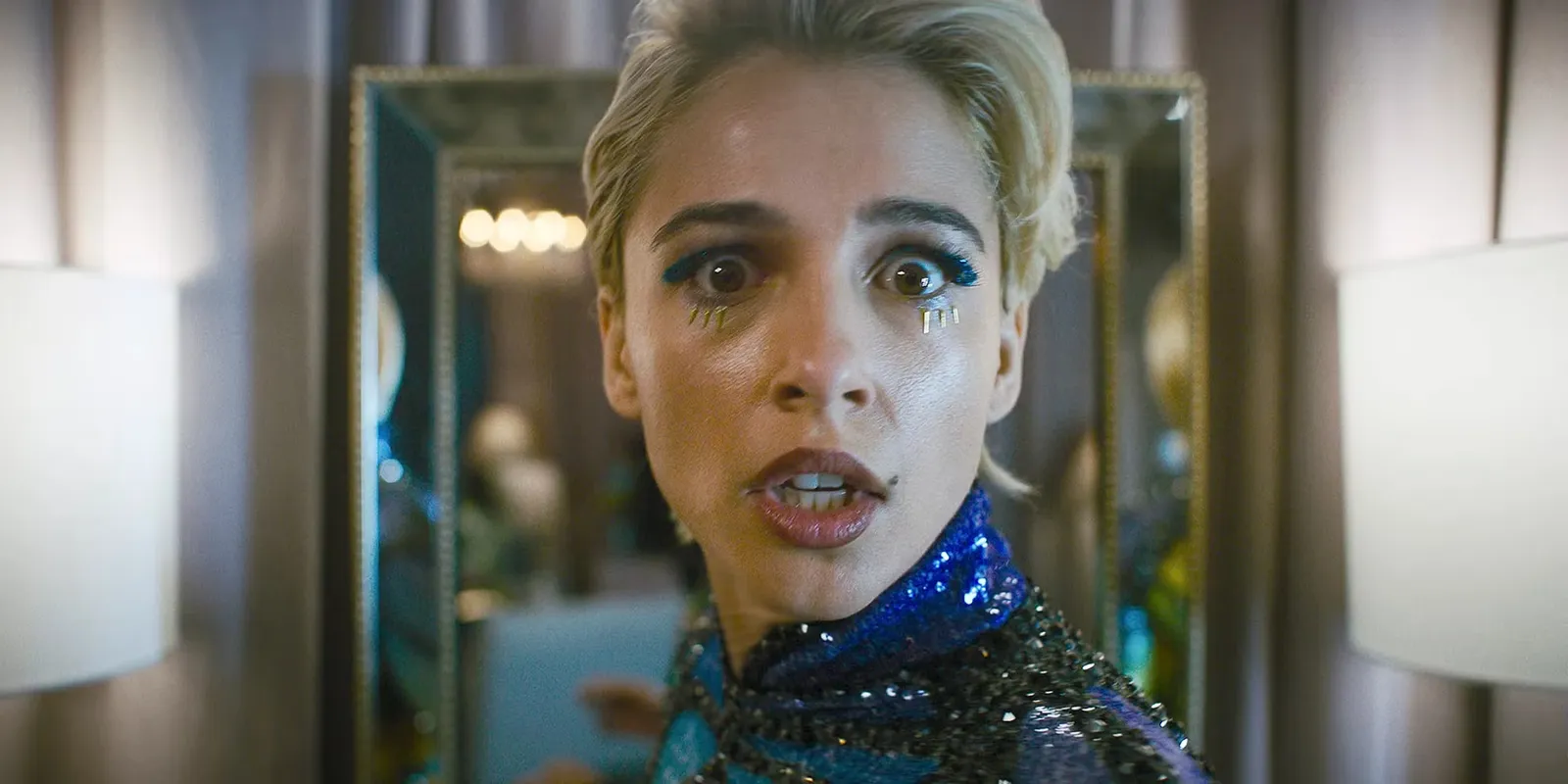
Parker Finn’s Smile franchise is officially expanding with a new sequel after a two-year delay, following the original film in 2022 and Smile 2 in 2024. For decision-makers, the move signals how aggressively proven horror IP can re-enter release pipelines and influence slate strategy.
Horror sequels do not usually wait quietly. Yet two years after Smile 2 landed in 2024, Collider reports that the Smile franchise is officially getting a new sequel anyway, adding another installment to Parker Finn’s expanding horror universe. The delay makes it feel like a long pause, but the franchise momentum already built is doing the heavy lifting. The practical question for studios, investors, and creative operators is not whether audiences like Smile. It is whether the market will still treat Smile like an event when the calendar has moved on.
Here is the anchoring fact: Collider frames Smile as a massive early-decade breakout, with the first feature released in 2022 and its 2024 follow-up earning a combined box office haul of over $350 million, plus rave reviews from critics and audiences. That is the kind of performance horror executives dream about because it gives you two things at once: proven demand and legitimacy. In film and content planning, those two inputs reduce the usual uncertainty that comes with horror, where tone, originality, and audience trust can make or break a release.
The backdrop matters. Collider notes that the 2020s have already been a strong run for horror, with new creatives and franchises emerging across the industry. It points to Danny and Michael Philippou and their feature debut Talk to Me and follow-up Bring Her Back, Ti West’s X trilogy, and Zach Cregger with Weapons, alongside the recent wave of YouTube creators turned horror maestros including Mark Fischbach, Chris Stuckman, Kane Parsons, and Curry Barker. The through-line for executives is that horror has become more than a genre. It is an ecosystem, pulling talent from feature directors, franchise builders, and online audiences who know how to find scares that travel.
That shift changes incentives and planning behavior. When horror breaks out through multiple lanes, distributors and production teams can justify more aggressive development pipelines. They can also defend budgets more easily, because the “there is an audience” argument is no longer just historical. It is visible in real time across creators and release formats. Smile’s performance, as Collider describes it, fits this pattern. A franchise that can combine large box office numbers with rave reviews gives decision-makers a scoreboard they can reuse: if it worked once, it is at least plausible it can work again, even after time passes.
The two-year delay is also a quiet signal about production reality. Collider does not spell out reasons for the wait in the excerpt you provided, but even without that detail, executives can read the operational implication: the content pipeline has to re-tune schedules, not just scripts. Delays can come from many places, but the strategic consequence is consistent. When release timing shifts, the team has to ensure the sequel still feels current, not stale. For board members and capital allocators, the key is whether brand heat survives downtime. In horror, where audience attention is competitive and often seasonal, you want continuity, but you also want the next entry to land as a must-see event.
There is also a slate-level competitive angle. Collider calls out other early-2020s horror wins, from mainstream theatrical momentum to creator-led momentum. That matters because Smile is not developing in a vacuum. When one horror property accelerates or reappears, it takes attention and marketing spend from alternatives. Executives running a broader content portfolio would treat an official sequel announcement like this as both validation and a reminder. Validation comes from the fact that a proven franchise is still being expanded. The reminder is that competitors will interpret the expansion as room for more sequels, more horror bets, and more budget to the horror shelf.
Second-order implications follow quickly. First, Smile’s over-$350 million combined box office haul, paired with critics’ and audiences’ rave reviews, makes sequel planning easier to defend inside organizations. Even if internal budgets and timelines vary, the external justification is strong. Second, the success of multiple horror routes listed by Collider suggests boards will be more comfortable funding horror not only as a “risk genre,” but as a repeatable machine when the IP and creative voice align. Third, the presence of YouTube creators turned horror maestros underscores that marketing and audience-building are increasingly part of the product, not an afterthought. That can change how studios structure partnerships and promotional plans.
So what should decision-makers take from this? If you are managing a horror portfolio, producing genre content, or allocating capital, the Smile sequel expansion is a clear statement: executives are willing to grow franchises even after a delay, when the original performance and reception were loud. In a decade where Talk to Me, Bring Her Back, X, Barbarian, and creator-driven horror are all proving that fear sells, Smile is the kind of brand that can keep pulling attention back into theaters, even when the calendar stretches. The strategic stakes are simple: the winners are not just the scariest stories. They are the stories with staying power, and the operational discipline to keep the franchise engine running through time gaps.
This story's Key Insights and Take-aways are locked.
Create a free account to unlock Executive Actions for one credit.
Register to UnlockAlways free for Executives Club members. Join the Club
More in Entertainment
Viu CEO Janice Lee: nearly 20% of long-form users watch microdrama
The format launched months ago, and Viu is building a broader branded and co-production plan around it.
Ransom Canyon returns next month as Netflix fills the Taylor Sheridan Dutton Ranch gap
Netflix brings Ransom Canyon back for Season 2 next month, staking streaming-week dominance against Sheridan’s Yellowstone universe.
Bebe Rexha blocks Olivia Rodrigo rivalry after “Olivia outsold u” comparison
Rexha says she is happy for Rodrigo and doubles down on celebrating women instead of turning pop into a cage match.