

Patreon CEO Jack Conte cuts 20% of staff, laying off 93 people, citing AI-era cost pressure.
The memo links a flatter org and a 6-month market shift to keeping Patreon “dependable” for creators.
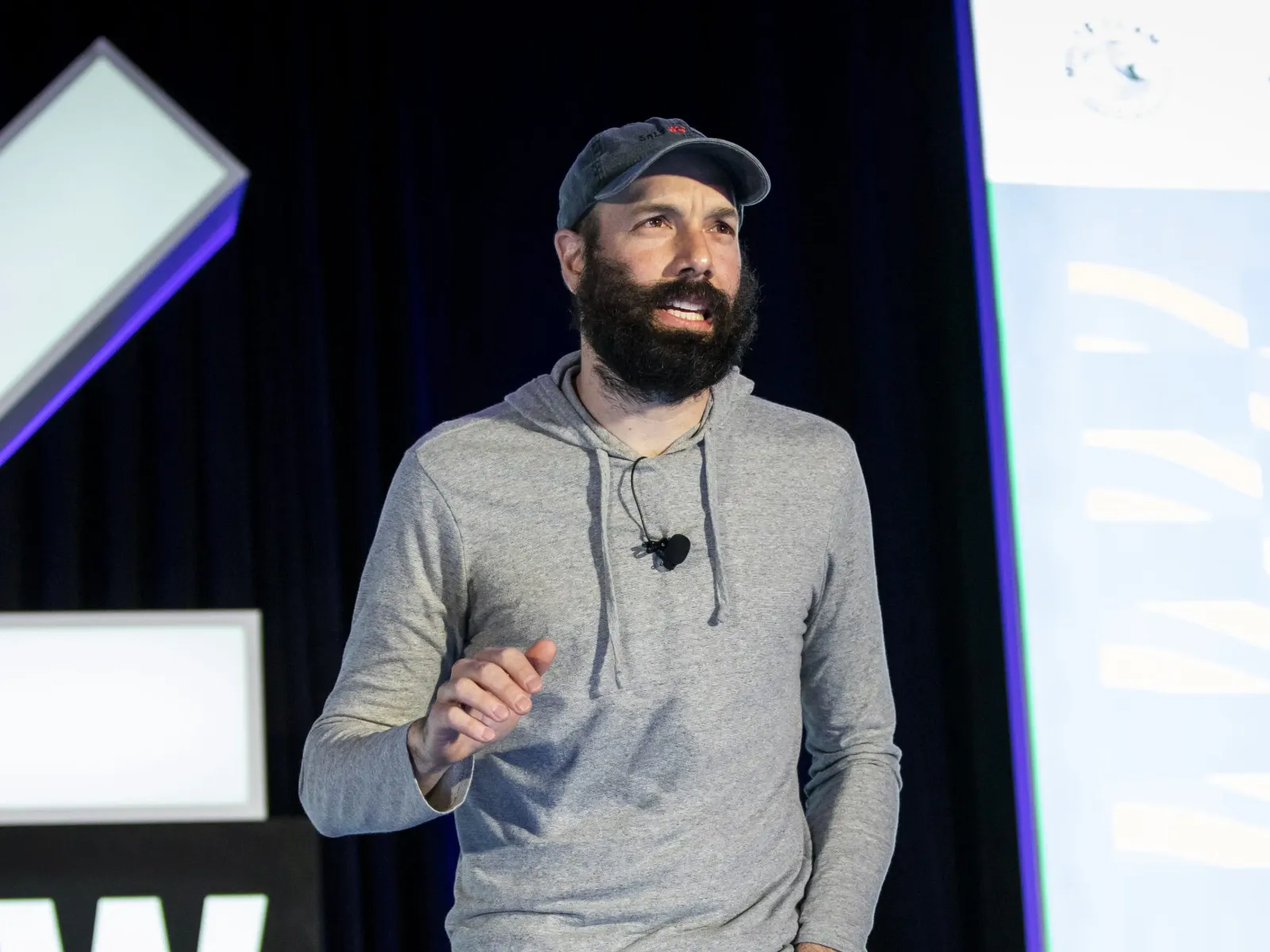
Patreon CEO Jack Conte says the company is reducing its team by 20%, cutting 93 employees. The decision comes with cost restructuring and a “flattening” plan, despite Conte stressing AI will not replace human creativity.
Patreon CEO Jack Conte sent a painful memo to employees: the company is cutting 20% of its workforce, or 93 people. Conte’s message says the layoffs are meant to adjust Patreon’s cost structure after “the market in which we operate has undergone profound change over the last 6 months,” so Patreon can stay a “stable, dependable rock for our creators.”
In the same note, Conte anchors the rationale in the creator economy’s reality check. He argues Patreon’s core business remains “healthy and strong,” with more than 300,000 creators across nearly every country earning money on the platform and “steady, strong growth” in creators, members, revenue, and processing volume. He also points to momentum in Patreon’s shift toward being a media and community network, including 1.5M new members sent to creators each month and creators adding about 200M free memberships over the past three years. Then he pivots to the business problem: transformation “is going to take time,” so costs must adjust now.
For executives reading this, the subtext is the modern tech dilemma: protect what’s working while buying time to finish the product and market shift that the last cycle demanded. Patreon says it is tackling what it calls “massive problems” around the attention economy optimizing for addiction over long-term relationships, creators finding it harder to reach followers and build communities, and legacy social platforms locking creators into their systems instead of offering independence. That is an argument for patience and continued investment. The layoff number and the cost language are an argument for urgency.
Conte’s second lever is organizational design. Patreon says it will flatten the organization, refocus teams on top priorities, and evolve “key aspects of our operations” to make the company faster at adapting. The goal is not to change strategy, he says, but to keep executing “effectively” with a smaller team. In other words, the company is trying to reduce friction, shorten feedback loops, and concentrate execution around two focus areas: improving core creator and fan experiences, and helping creators grow audiences and businesses through Patreon’s network.
Then comes the third rail: AI. Patreon explicitly addresses the “will AI replace humans” question, and Conte is blunt about what this decision is not. The company says it is not making these organizational and workforce changes because it believes AI replaces humans. Conte argues AI tools are not substitutes for creativity, judgment, detail orientation, or craftsmanship, and they do not replace the desire for human connection that Patreon’s mission depends on. His memo also frames AI as an operational force, not a talent replacement story. AI has transformed how the tech industry works, builds products, communicates, and more, and that impacts how Patreon organizes and how its teams work together.
There’s a neat internal consistency here that matters to boards and leadership teams. Patreon’s creator-first ethos is the foundation of its strategy, so the company needs to show that efficiency moves are about cost structure and speed, not about swapping creators and humans out for automation. The memo even points to growth metrics that could support that narrative: creators earning billions of dollars each year, strong monthly growth, and network contributions like Feed-attributed memberships up more than 5X since launch. For decision-makers, the question becomes whether these metrics can carry the company through a longer transformation period without further compression.
This is also not happening in a vacuum. Patreon previously cut costs in September 2022, laying off 80 people, about 17% of its staff at the time. It now joins a broader wave of creator-economy and tech layoffs. The source notes competitors and adjacent players, including Substack, Beehiiv, YouTube’s own membership tiers, and white-label apps made by creators. It also flags other companies that cut staff in the same era, including LTK in February, and tech giants such as Meta, Snapchat, and LinkedIn “this year.” The second-order implication is clear: even mission-driven creator platforms are getting pressured by the same macro forces that are squeezing discretionary spending across digital products.
For peers in similar roles, the memo’s logistics reinforce how decisive the company is trying to be. Conte says affected teammates will receive an email indicating whether their role is impacted within minutes of the memo being sent. The People team will handle severance details and questions, and leadership will offer personal calls to departing staff. Departing employees will keep access to their Patreon laptop and Slack through 5PM PT the day of the update. That kind of operational clarity usually signals an organization trying to move fast while keeping morale and messaging controlled.
Patreon closes by asserting it is not changing its roadmap or priorities. Conte says the company will continue shipping new features, improvements to core experiences, media and community products, and more. He also tells creators in a post shared with them that Patreon’s core business is “healthy and strong” and that it plans to be a rock for creators “for decades to come.” Whether that holds depends on execution speed under the new, flatter structure and the company’s ability to turn a challenging “attention economy” argument into measurable retention and growth outcomes. For leadership teams, the big stake is the same: how do you protect mission-driven product work while cutting the organization enough to survive the next 6 months of market change?
This story's Key Insights and Take-aways are locked.
Create a free account to unlock Executive Actions for one credit.
Register to UnlockAlways free for Executives Club members. Join the Club
More in Business

Anthropic’s Levant Alpöge cracks the Jacobian conjecture after 87 years
A Harvard valedictorian used Claude to hit a 1939 breakthrough, but the missing “why” is the real problem.

Uber buys Delivery Hero for nearly $15B, vaulting to top food delivery outside China
The deal doubles Uber's dual-services footprint and pushes a ride-and-eats bundling play into 50 more markets.

Epic and Google drop settlement bid, forcing rival Android app stores by July 22
Google told the court it is ready to carry third-party app stores starting Wednesday, July 22.