
Peacock orders “Dungeon Crawler Carl” series adaptation from Fuzzy Door, Seth MacFarlane
A bestselling book is getting a Peacock TV series order, with Chris Yost and Seth MacFarlane’s Fuzzy Door leading the pitch.
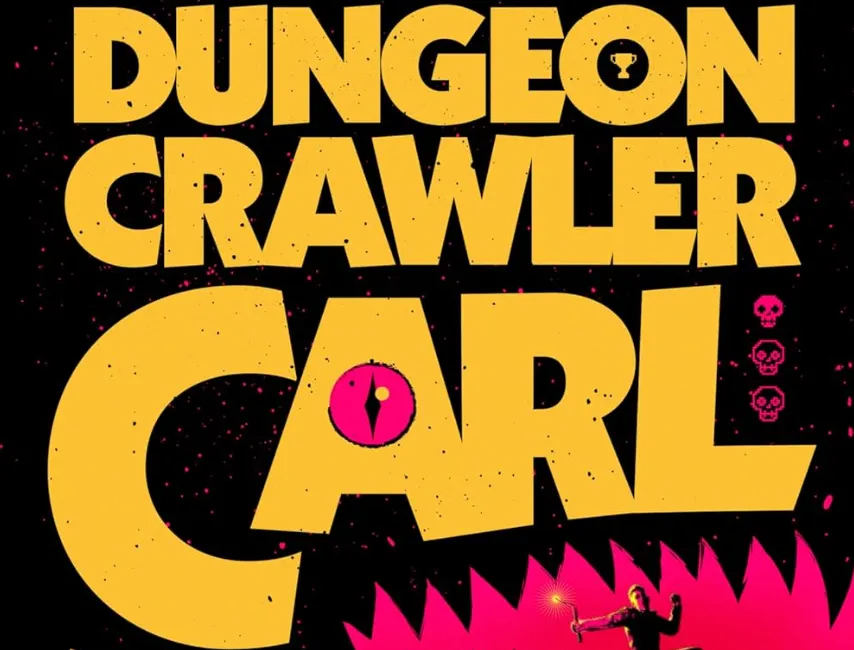
Peacock has given a series order to the TV adaptation of “Dungeon Crawler Carl,” based on Matt Dinniman’s New York Times bestselling book. Seth MacFarlane’s Fuzzy Door is behind the series, which comes from the newly renamed Universal Global Television, with Variety reporting it landed at Peacock in April.
Peacock has given a series order to the TV adaptation of “Dungeon Crawler Carl,” based on Matt Dinniman’s New York Times bestselling book. The series comes from Seth MacFarlane’s Fuzzy Door, and Variety reported in April that the show had landed at Peacock, putting this development on a clear fast track.
The creative leadership matters here. Chris Yost is attached to the adaptation, and the project is produced through the newly renamed Universal Global Television. That combination, MacFarlane’s studio brand plus Yost’s adaptation experience, is a signal that Peacock is not just collecting IP. It is actively buying genre energy that can travel across fandom, platforms, and release windows.
For decision-makers, this is a familiar streaming play with a still-evolving twist. In the traditional model, networks greenlight based on a mix of talent, time slot logic, and advertiser or syndication expectations. In streaming, it is more about subscriber pull, catalog durability, and how a show performs across the full lifecycle. A series order is a heavier commitment than a pilot, which means Peacock is betting it can convert the book’s built-in audience into a repeatable viewing habit, not just a one-time curiosity spike.
“Dungeon Crawler Carl” also sits in the kind of genre lane that has proven sticky, especially when the underlying source already has community momentum. The New York Times bestselling status is the headline credential the industry can rally around, because it reduces uncertainty about whether viewers will show up. But the second-order question for executives is whether that audience will stay long enough to justify marketing spend, production cost, and platform attention. A series order implies Peacock believes the probability is high enough, and it is choosing to spend now rather than gamble later.
The production pipeline is another detail worth tracking. The series “comes from the newly renamed Universal Global Television,” which signals that corporate naming and structuring continue behind the scenes, even as show announcements hit public headlines. For boards and leadership teams, these kinds of internal shifts can affect how deals get negotiated, how international distribution is handled, and how partner studios coordinate development to production. The executive takeaway is not that a name change changes quality. It is that the organizational machinery feeding content can be in motion while studios still launch major projects.
And then there is the talent stack, which is where streaming strategy shows up in the real world. Seth MacFarlane’s Fuzzy Door has become a recognizable brand for animated and genre-adjacent comedy, and now it is linked to a fantasy-adventure property through a TV series order at Peacock. Attaching Chris Yost supports the idea that the adaptation is intended to land with the kind of pacing and narrative structure that genre audiences expect. In streaming, that matters because genre viewers are often more forgiving of unconventional premises than they are of weak execution. They want the premise, the mechanics, and the payoffs.
Finally, consider what this means for peers. Peacock is explicitly expanding its slate with another adaptation, and Variety’s note that the show landed at Peacock in April suggests a deliberate rollout timeline rather than a late-cycle scramble. If you are an executive at a competing streamer or a studio aiming at streaming dollars, the strategic signal is clear: IP that is already demonstrated in the mainstream market can be pulled into high-commitment development quickly, especially when packaged with recognizable creative leadership.
In short, the series order is not just a headline about a book getting adapted. It is Peacock placing a serious bet on “Dungeon Crawler Carl” moving from page to screen with Seth MacFarlane’s Fuzzy Door producing, Chris Yost attached, and Universal Global Television involved in production through its newly renamed unit. If it works, it reinforces a broader playbook for platforms chasing both subscribers and long-term catalog value. If it misses, it is a costly reminder that buying proven books still requires the adaptation to hit the genre’s promise with enough consistency to keep audiences coming back.
This story's Key Insights and Take-aways are locked.
Create a free account to unlock Executive Actions for one credit.
Register to UnlockAlways free for Executives Club members. Join the Club
More in Entertainment

Blink49’s Brand Studio launches vertical video with “Murder at the Mansion” this fall
The Brand Studio vertical push is here, and Tieren Hawkins is writing a mobile-first micro-drama for mobile audiences.

‘Toy Story 5’ posts $17.5M previews, the top 2026 preview total so far
Disney and Pixar’s sequel leads previews with $17.5 million, signaling what theaters and investors should watch next.
John Wick 5 confirms Keanu Reeves’ return, but the plot pivots to Caine
Keanu Reeves is back, yet Chapter 5 centers on Caine and shifts the franchise power into new leadership.