
PGA Tour CEO Brian Rolapp announces sweeping pro golf changes to boost payouts
Rolapp lays out a shake-up aimed at tighter competition and bigger winner compensation, reshaping how players and sponsors think.
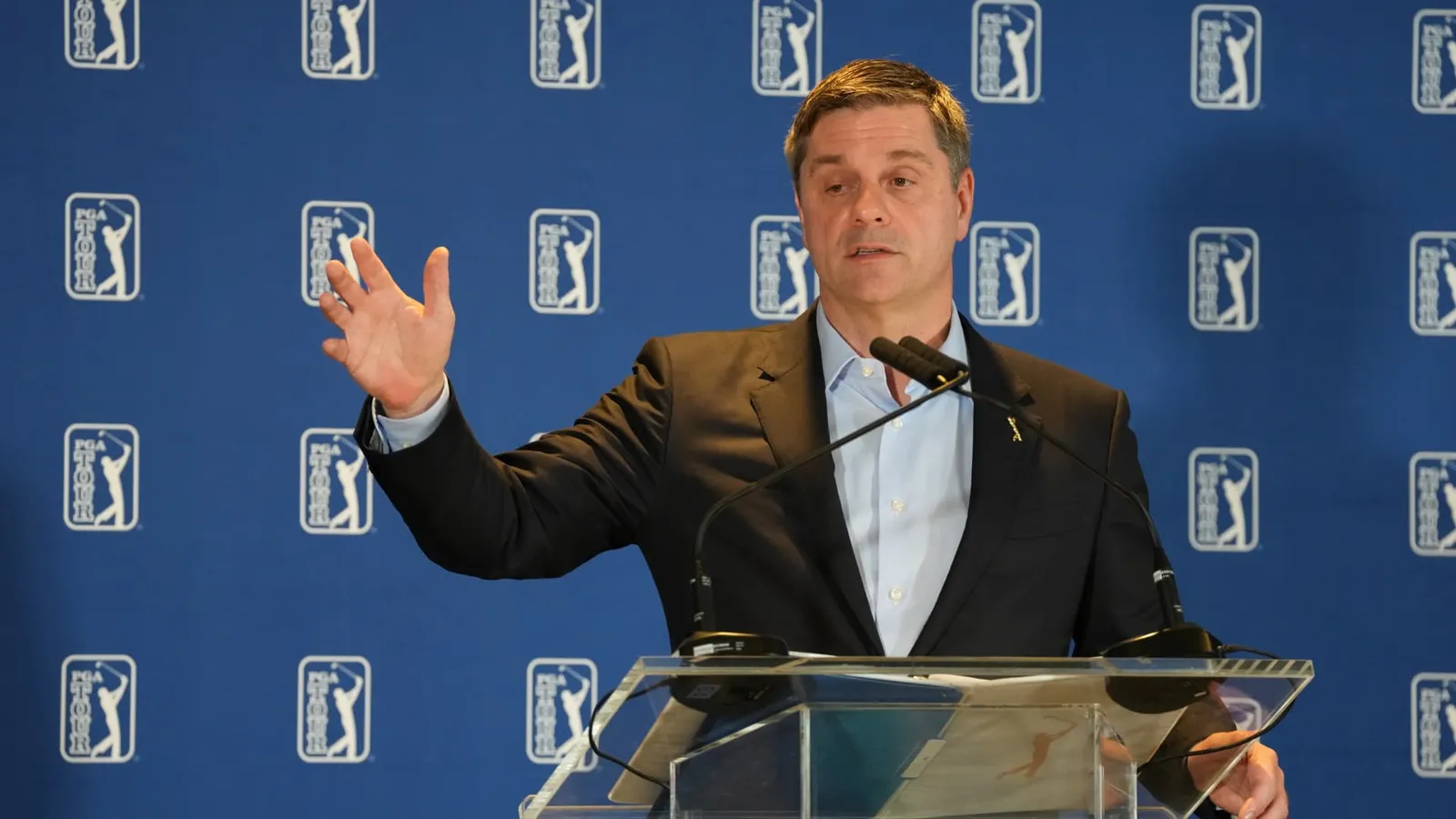
PGA Tour CEO Brian Rolapp unveiled sweeping changes to professional golf. The initiative is designed to elevate competition and raise payouts for winners, with knock-on effects for how decision-makers structure deals.
PGA Tour CEO Brian Rolapp just unveiled sweeping changes to professional golf, and the point is very specific: improve the product by raising competition and make the business of winning pay more. Rolapp is leading the PGA Tour, the league that sits in the middle of modern pro golf, where audiences, sponsors, and talent all chase the same thing: relevance at the top.
At its core, these changes are designed to “elevate competition and raise payouts for winners.” That is not just a sports-side talking point. In golf, where player incentives and fan interest are tightly linked to how the season rewards the best, shifting payouts changes behavior. Higher winner payouts can increase the intensity of late-season races, influence how players schedule events, and alter what sponsors feel they are buying when they fund fields and storylines.
To understand why this matters beyond the leaderboard, you have to look at what the PGA Tour has been dealing with for years: competing incentives across players, tournaments, and broadcast partners. Professional golf is built on a pyramid of value. Fans care about winners. Winners become the faces of brands and the magnets for viewership. Sponsors want certainty that their money lands on the most compelling moments, not just on participation. The Tour’s job is to keep that pyramid stable while the rest of the ecosystem keeps evolving.
Rolapp’s changes are aimed at the two levers that typically move that pyramid. First is competition, which is basically shorthand for “make it harder to coast.” If the structure of events and incentives pushes more players to believe they can win, it creates tighter fields and more story-driven outcomes. Second is winner payouts, which is the direct conversion mechanism between performance and reward. When the top of the prize increases, the math for elite players changes. That can lead to a stronger willingness to show up and a stronger push to peak at the right time.
There is also the business reality underneath the headlines. Payouts are costs and incentives at the same time. They determine how tournament-level stakeholders evaluate a season. If winners receive more, the league and its event partners must be confident that increased drama and higher-stakes outcomes drive measurable returns, such as interest, sponsorship value, and engagement. That is where the “competition” piece becomes more than romantic sports language. Stronger competition is often the precondition for better monetization.
At the board and exec level, the strategic stakes are even sharper. When a CEO pushes sweeping changes, it is rarely only about the sport. It is about aligning incentives across players, tournament operators, sponsors, and media partners so the organization can defend its position in a crowded marketplace. The Tour has to maintain credibility with its talent while also managing risk with partners. A change that raises winner payouts, for example, might be seen as player-friendly, but it also creates expectations. Once winners learn the rulebook is changing, the system will be judged on whether it continues delivering bigger rewards.
Second-order implications follow quickly. If the Tour elevates competition and raises payouts, players will likely talk about timing and priorities differently. Some might cluster their schedules around events that offer the best probability-weighted path to a larger payday. Others might be more selective elsewhere. That shift affects tournament product quality. It can also influence sponsorship conversations, because sponsors do not just buy exposure. They buy association with the highest-pressure outcomes.
For peers in similar leadership roles across sports and entertainment, the lesson is straightforward. When you redesign incentives, you are also redesigning behavior. Rolapp’s unveiling is a reminder that the most meaningful “product improvements” in leagues often live in the economics: what wins get rewarded, and what performance is actually worth. If the PGA Tour gets this right, it strengthens the competitive core that fans watch and sponsors want. If it gets it wrong, it risks destabilizing the trust between the Tour and the people it needs most. Decision-makers watching this will be asking one question above all: do these changes make the best players show up, win more convincingly, and keep the sport must-see for the audience that pays the bills?
This story's Key Insights and Take-aways are locked.
Create a free account to unlock Executive Actions for one credit.
Register to UnlockAlways free for Executives Club members. Join the Club
More in Business

Anthropic’s Levant Alpöge cracks the Jacobian conjecture after 87 years
A Harvard valedictorian used Claude to hit a 1939 breakthrough, but the missing “why” is the real problem.

Uber buys Delivery Hero for nearly $15B, vaulting to top food delivery outside China
The deal doubles Uber's dual-services footprint and pushes a ride-and-eats bundling play into 50 more markets.

Epic and Google drop settlement bid, forcing rival Android app stores by July 22
Google told the court it is ready to carry third-party app stores starting Wednesday, July 22.