
Primavera Sound cancels Doja Cat, Massive Attack after rain wrecks opening night
Heavy rain and technical issues forced Primavera Sound to pull opening-night sets, triggering fan backlash over communication and refunds.
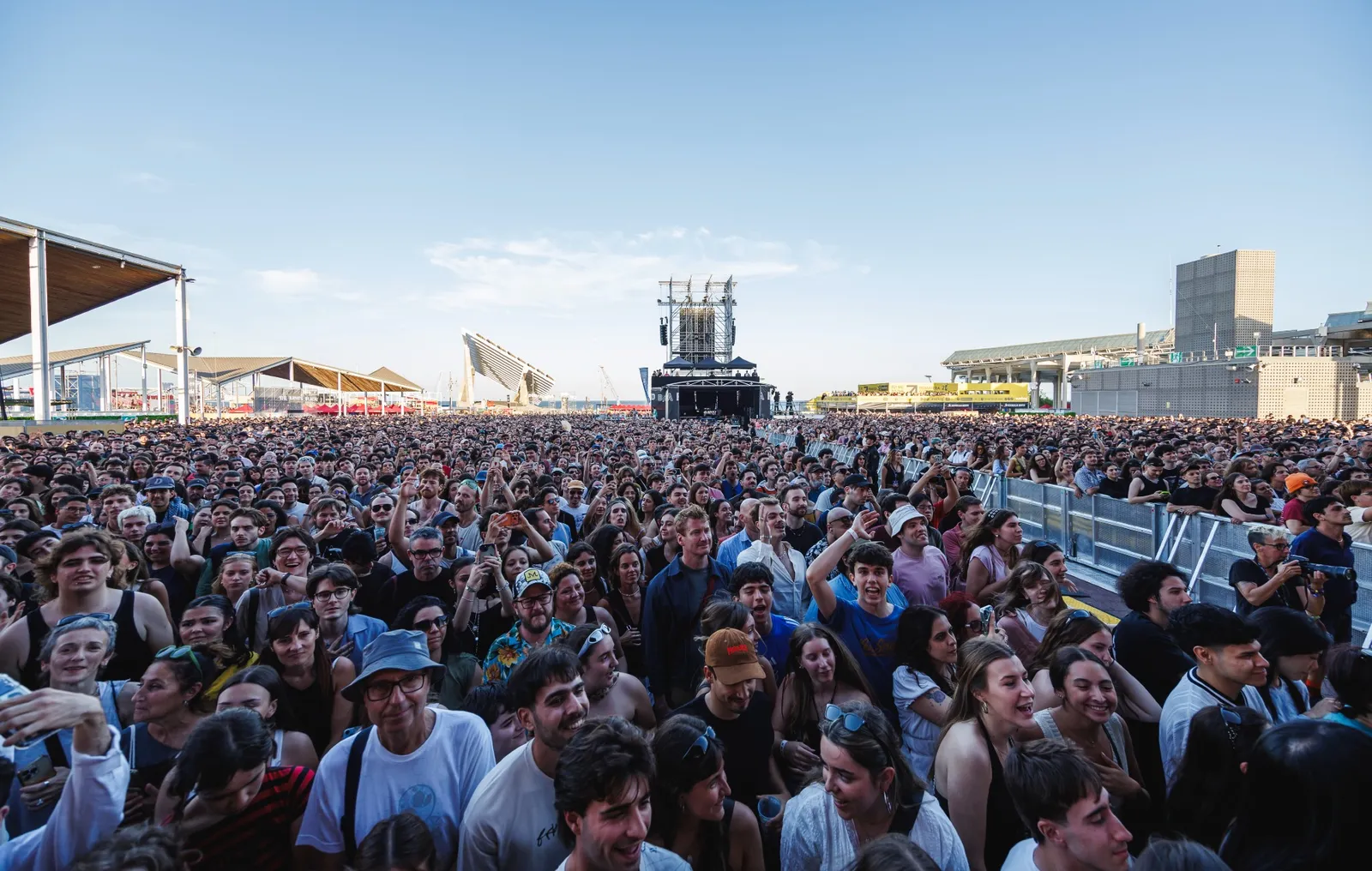
Primavera Sound 2026 canceled opening-night performances from Massive Attack, Bad Gyal, and Doja Cat after adverse weather and technical conditions hit the Barcelona festival. For operators, it is a reminder that live events now live or die on weather contingency plans, stage communications, and refund transparency.
Primavera Sound 2026 spent its opening night doing the kind of crisis management no festival wants to headline: it canceled sets by Massive Attack, Bad Gyal, and Doja Cat after adverse weather conditions and technical problems made it unsafe, and later said it had worked to move those performances before the situation made that impossible. The cancellations landed on Thursday, June 4, the festival's first day at Parc del Fòrum in Barcelona, where the event is scheduled to run through Sunday, June 7. The opening bill is still stacked, with The Cure, The xx, Gorillaz, My Bloody Valentine, Addison Rae, and Skrillex topping the lineup, but the night itself turned into a logistical stress test instead of a victory lap.
The sequence matters. Earlier in the evening, the big screens on the main stages told fans that, due to adverse weather conditions, performances on that stage had been temporarily suspended and asked them to remain calm and follow instructions from security and staff. The festival also told people to stay tuned to the screens and official channels for updates. Then, amid heavy rain, areas of the site were closed, including the Estrella Damm and Revolut stages. At 9:30pm local time, Primavera Sound announced that Alex G's set on the Revolut Stage was canceled, along with DeMarco's on the Occident Stage. Just before midnight, the festival said Massive Attack, Bad Gyal, and Doja Cat would also not go ahead, with the reason given as adverse weather and technical conditions. Some parts of the festival continued, and some stages reopened later that night, but the core promise of an opening-night festival experience had already been badly dented.
Doja Cat addressed the cancellation directly on X, formerly Twitter, and her message captured both the safety issue and the frustration of the moment. She wrote: “Barcelona I am fully dressed and ready to go to stage but it’s just not safe enough to continue the show tonight. I’m so sorry that this is how this shit has to be right now. I will think of everything I can under the sun to make it up to you. "Please stay safe and warm I will see you again I promise.” That is the unavoidable reality of live events: artists can be ready, audiences can be in place, and still the weather gets the final call. In this case, the safety line appears to have been clear, even if the communication around it was not.
That communication gap is where the backlash started. Festival-goers shared videos of people trying to shelter from the rain, and of Geese performing earlier in the evening while the downpour continued. Fans then criticized Primavera Sound's handling of the situation, saying the festival had not communicated clearly enough through its screens, which forced people to move back and forth to the site. One commenter wrote, “If you can use stage screens for advertisements, you could use them for announcements,” while another said, “Worst Primavera ever. Making people come back only to cancel an hour later is completely unacceptable. My disappointment is beyond words.” A third added the line that summed up the mood online: “Even my ex had better communication skills.” For any live-event business, that is the nightmare scenario. The event does not just lose sets, it loses trust in the operating system.
Primavera Sound did later try to close the loop. In an official statement posted today on its website, the festival said that “festival organisers worked determinedly alongside the Massive Attack, Doja Cat and Bad Gyal teams to ensure that the performances on the Estrella Damm and Revolut stages could resume later that night,” and that it attempted to move the slots to other stages before further weather issues made that impossible. The statement also said, “We understand and share the frustration and disappointment of the audience regarding this situation,” and it shared details about refunds for Thursday's tickets. That refund note is not a footnote. In live entertainment, once a cancellation becomes a ticketing question, the operational problem turns into a customer-relations and cash-flow issue, with the festival now on the hook to manage both sentiment and reimbursement.
There is also a broader business lesson here for anyone running events at scale. Weather has always been part of the risk stack, but festivals increasingly operate like complex city systems, with multiple stages, screens, staffing protocols, artists, and moving crowds all dependent on clear command-and-control. The same screens used for ads became, in fans' eyes, the obvious place to route urgent announcements. The same social platforms that spread excitement also documented confusion in real time. And the same artists who were scheduled to deliver the headline moments became the public face of a cancellation they did not create. With Friday's weather forecast, according to BBC Weather, looking more clement, with a 29 per cent chance of rain in the afternoon and zero thereafter, the immediate pressure may ease. But the strategic question remains for festivals, venues, and promoters everywhere: when the weather turns, can you communicate fast enough to preserve safety, protect the audience experience, and stop a bad night from becoming the story everyone remembers tomorrow?
This story's Key Insights and Take-aways are locked.
Create a free account to unlock Executive Actions for one credit.
Register to UnlockAlways free for Executives Club members. Join the Club
More in Entertainment

Christopher Nolan’s “The Odyssey” posts his biggest Tuesday haul, surpassing “The Dark Knight’s” record
The film’s Tuesday breakout reframes Nolan’s box-office ceiling and forces competitors to rethink timing, budgets, and release strategy.

Kacey Musgraves cancels Aug. 20, 29, Sept. 2 Middle of Nowhere shows
Ticketmaster emails are telling fans refunds are coming, while the tour still starts Aug. 21 in Chicago.

Billie Joe Armstrong launches Epiphone Les Paul Junior and Marshall 1959BJA signature gear
Two limited releases turn decades of Green Day’s tone into branded hardware, including Marshall’s first artist amp in 14 years.