

Prime Video drops nearly finished Sam Altman biopic Artificial after $50B OpenAI deal
Amazon exits Prime Video involvement months after wiring billions, leaving Luca Guadagnino’s film without a distributor or release date.
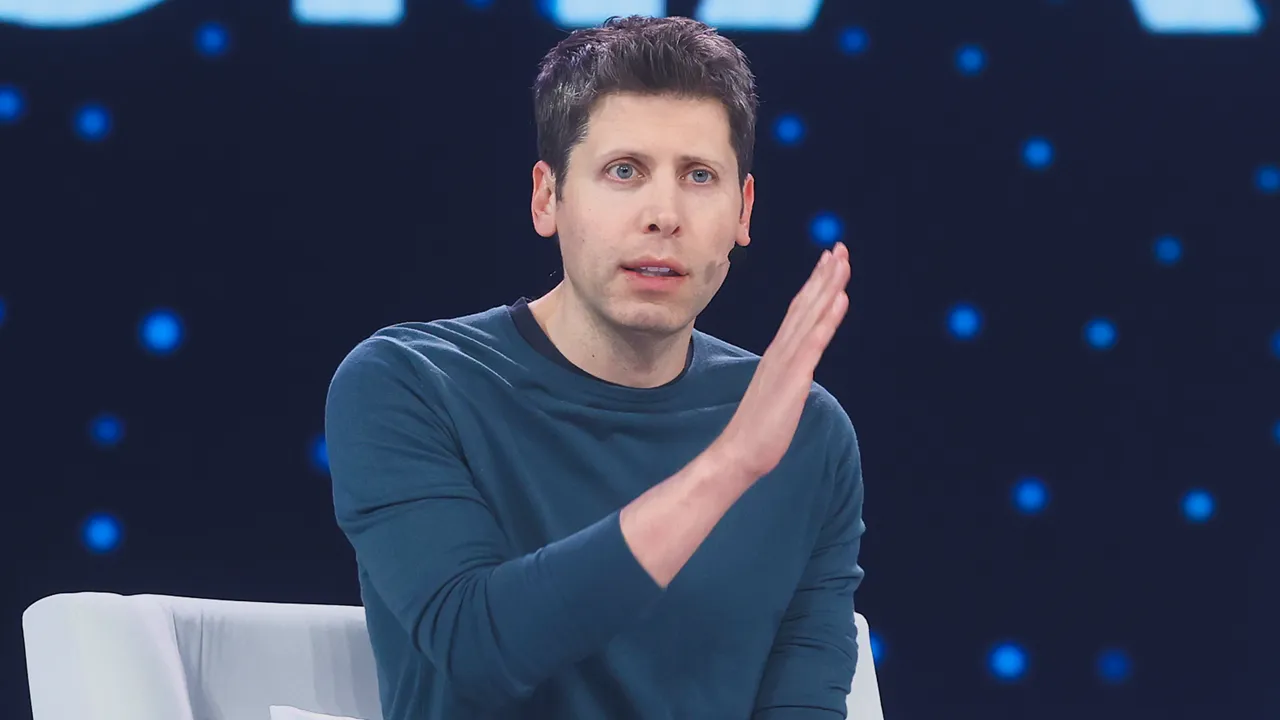
Amazon is walking away from Artificial, a nearly complete movie about Sam Altman, after Prime Video head Mike Hopkins oversaw the Prime Video decision. The move comes months after Amazon struck an OpenAI deal in February that committed $50 billion in investment.
Amazon is walking away from Artificial, a nearly complete movie about Sam Altman, just months after striking a deal with OpenAI. Prime Video chose to drop its involvement in the biopic after multiple private test screenings, and the company confirmed the news in a statement sent to Puck.
This is not a theoretical “creative differences” situation. The prime mover was Mike Hopkins, Prime Video head, who Amazon now says is working with the Artificial team to find a new distributor. The film, directed by Luca Guadagnino (Challengers, Call Me by Your Name), has Andrew Garfield starring as Sam Altman and is now without a release date, even though it was expected to come out sometime this year.
So what happened between February and now? In February, Amazon and OpenAI made a deal that included Amazon committing to an investment of $50 billion in OpenAI. That matters because Artificial is not just “a movie about tech people.” It is about the Sam Altman window in 2023 when he was fired and then rehired at OpenAI. When a distributor is tied to a massive AI partnership, even a nearly finished biopic about the partner’s CEO becomes a reputational and commercial risk equation, not just an entertainment slate decision.
According to the report, Artificial is being shopped after the split, and Amazon says it has “utmost respect and admiration” for Guadagnino and their “longstanding relationship,” while also saying it believes the film “will be better served” if it were released by a different studio. In other words, Amazon is choosing not to absorb the outcome of the test screenings itself. It is also avoiding a public fight while shifting the burden to the next studio that takes the bet.
The creative details explain why the stakes are unusually high. Artificial stars Andrew Garfield (The Amazing Spider-Man) as the controversial OpenAI CEO, with Ike Barinholtz (The Studio) as Elon Musk and Monica Barbaro (Top Gun: Maverick) as Mira Murati. Its cast also includes Jason Schwartzman (Scott Pilgrim vs. the World), Yura Borisov (Anora), Cooper Hoffman (The Long Walk), and Billie Lourd (Star Wars: Episode 7 - The Force Awakens). The movie is directed by a filmmaker with mainstream prestige, and that combination typically signals “awards-friendly,” but the plot sits on a live wire: the 2023 Altman firing and rehiring.
Variety's sources say reactions to the movie were positive following test screenings, and additional screenings for studios were held Thursday. That’s where this gets interesting for execs and board members: even when test audiences like a film, the corporate risk calculation can still change. Puck also reported that Hopkins watched one early version of the movie, described as having a darker tone than what was conveyed by the script written by SNL alum Simon Rich, before he decided to have it shopped elsewhere. A shift in tone is not a small tweak when the subject is a high-profile power struggle in the AI world. It affects what audiences infer, what headlines amplify, and whether the story lands as nuance or as a verdict.
One insider who has seen the film suggested its portrayal of Altman and Musk is particularly critical, saying that they are the characters watchers will “like the least.” Even without needing to endorse that claim, the board-level logic is clear: a company can decide it does not want to be the studio imprint on a narrative that could read as antagonistic toward the people at the center of its AI strategy.
Strategically, Amazon’s next move is operational, not artistic. The company says it is working closely with the filmmaking team to find Artificial a new home. That leaves Luca Guadagnino and the cast in a scramble that studios usually avoid late in production, especially when a release window was already expected “sometime this year.” For the rest of the industry, this is a reminder that partnerships in AI are not just financial. They shape which stories a platform will carry, what kind of tone it is comfortable promoting, and how much reputational volatility it is willing to insure.
For executives at other platforms and for investors watching content monetization, the message is blunt: when your company’s biggest tech bets are tied to specific executives, even “nearly complete” can become “not our problem anymore.” Artificial’s release date is now unknown. The film may still find a distributor, but the clock has moved, and the premium is now on who can take on the reputational and marketing risk without detonating the brand relationships that made the deal worth $50 billion in the first place.
This story's Key Insights and Take-aways are locked.
Create a free account to unlock Executive Actions for one credit.
Register to UnlockAlways free for Executives Club members. Join the Club
More in Business

Anthropic’s Levant Alpöge cracks the Jacobian conjecture after 87 years
A Harvard valedictorian used Claude to hit a 1939 breakthrough, but the missing “why” is the real problem.

Uber buys Delivery Hero for nearly $15B, vaulting to top food delivery outside China
The deal doubles Uber's dual-services footprint and pushes a ride-and-eats bundling play into 50 more markets.

Epic and Google drop settlement bid, forcing rival Android app stores by July 22
Google told the court it is ready to carry third-party app stores starting Wednesday, July 22.