

Project Solara: Microsoft's Android OS for agents, not apps
Microsoft's new platform aims to sidestep the app gap by building an OS from the ground up for AI agents, betting on a future that may not arrive soon.
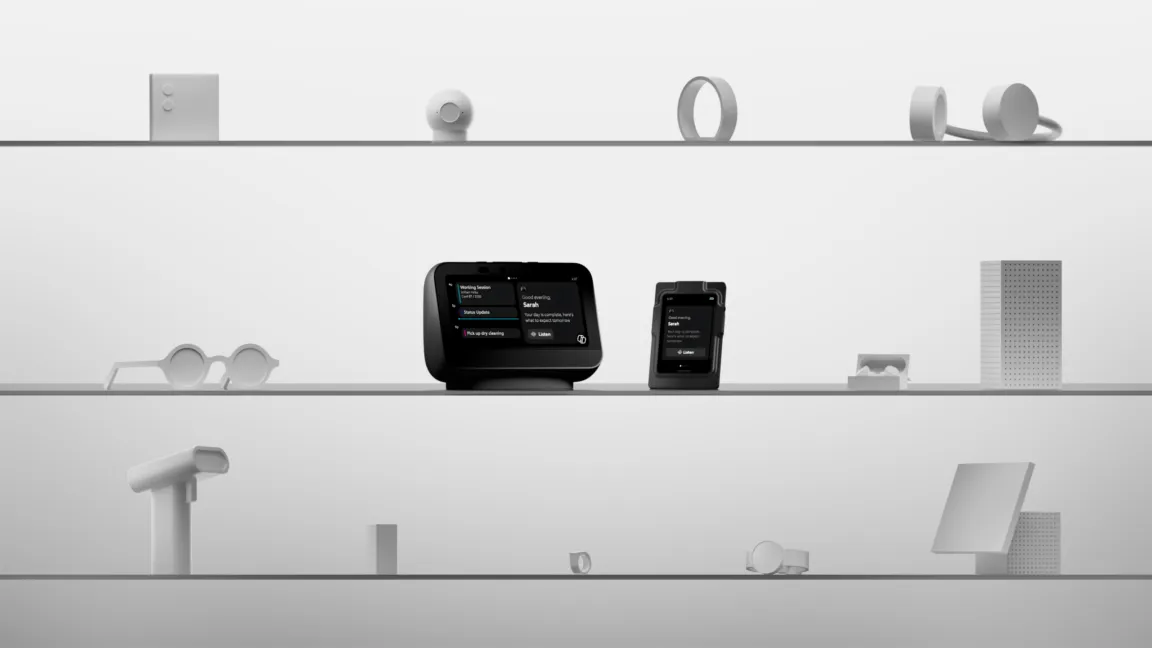
Microsoft unveiled Project Solara at Build 2026, an Android-based operating system designed to run AI agents instead of traditional apps. For executives, this signals a long-term strategic bet that shifts the OS paradigm from app ecosystems to agent-centric computing, but its success hinges on the maturity of AI models that remain speculative.
Microsoft has been deeply committed to the growth of generative AI technology through its now-fragmented partnership with OpenAI. At Build 2026, the company remains all-in on AI, and it's looking toward the future with a new software platform. The new Android-based OS is called Project Solara, and Microsoft says Solara is designed to run agents instead of apps. This is a direct response to a painful piece of history: Microsoft missed the boat on apps. The shift to mobile computing tripped Microsoft up multiple times as it fell behind on app availability, security, and long-term support. Solara is the company's attempt to ensure it does not miss the next boat entirely. But make no mistake - Project Solara is not something you will have to worry about killing your apps anytime soon. It is limited to a few pieces of concept hardware and software that are awaiting the magical agents of the future. The vision is for Solara to run on myriad specialized devices with interfaces generated on the spot, all powered by the explosive intelligence of models that Microsoft and others insist will soon exist. That is a lot of hope baked into hardware that does not yet ship. According to Microsoft, Solara is a chip-to-cloud platform intended to free agents from reliance on single interfaces. In practice, that means an AI agent could handle a task like booking a flight across a dozen different services without needing a dedicated app for each one. The agent generates its own UI on the fly, a radical departure from the static icon-based app model. This is the kind of abstraction that sounds elegant in a keynote but is fiendishly difficult to implement at scale. Microsoft's messaging around AI is speculative and self-serving, but the company rightly points out that new computing form factors have always required specialization, and that process is complex and expensive. The shift to mobile, for example, tripped Microsoft up multiple times. With Solara, Microsoft is attempting to future-proof its platform against a world where apps are replaced by agents. The strategy carries echoes of Microsoft's earlier forays into mobile operating systems, like Windows Phone, which failed due to a lack of app ecosystem. This time, the company is betting that the OS itself will be the interface, not the apps. However, Solara's success hinges on AI models that can reliably handle complex, open-ended tasks. Current AI agents are still prone to errors, hallucinations, and high latency. The timeline for when these models will become reliable enough for everyday use is uncertain. For investors and operators, Project Solara is a signal of Microsoft's long-term conviction that the OS market is ripe for disruption. It also reveals a fear that the app ecosystem that defined the last decade is becoming a liability. If agents truly become the dominant user interface, the app stores that made Apple and Google trillions could lose their chokehold. Microsoft is placing a hedge on that future, but it is betting on technology that does not yet exist at scale. The company is building the infrastructure for a post-app world. Whether that world will arrive before the next wave of innovation bypasses Microsoft entirely remains the open question. For now, Solara remains a concept. But for executives building platform strategy, the message is clear: the era of the app may be numbered, and the race to define the agent operating system has quietly begun. Regulators will also take note. If Microsoft successfully pivots the mobile OS paradigm away from the duopoly of Apple and Google, antitrust scrutiny will be intense. Solara is not just a product bet - it is a bet that the rules of the operating system market can be rewritten. The consequences for app developers, device manufacturers, and cloud providers would be massive. Even partial adoption could reshape how software is distributed, priced, and monetized. For now, Solara is a long bet, but it is one that every decision-maker in tech should track closely.
This story's Key Insights and Take-aways are locked.
Create a free account to unlock Executive Actions for one credit.
Register to UnlockAlways free for Executives Club members. Join the Club
More in Technology

OpenAI says 10,000 agents cracked a 90-year math problem in 88 hours
The company's claim is audacious, but one mathematician is pushing back. Here's what it means for AI-driven discovery.
Meta still serves child sexual abuse ads on Instagram in India - BBC report
A new report following the BBC Eye investigation says the ads are still there - what it signals for every platform with a self-serve ad engine.
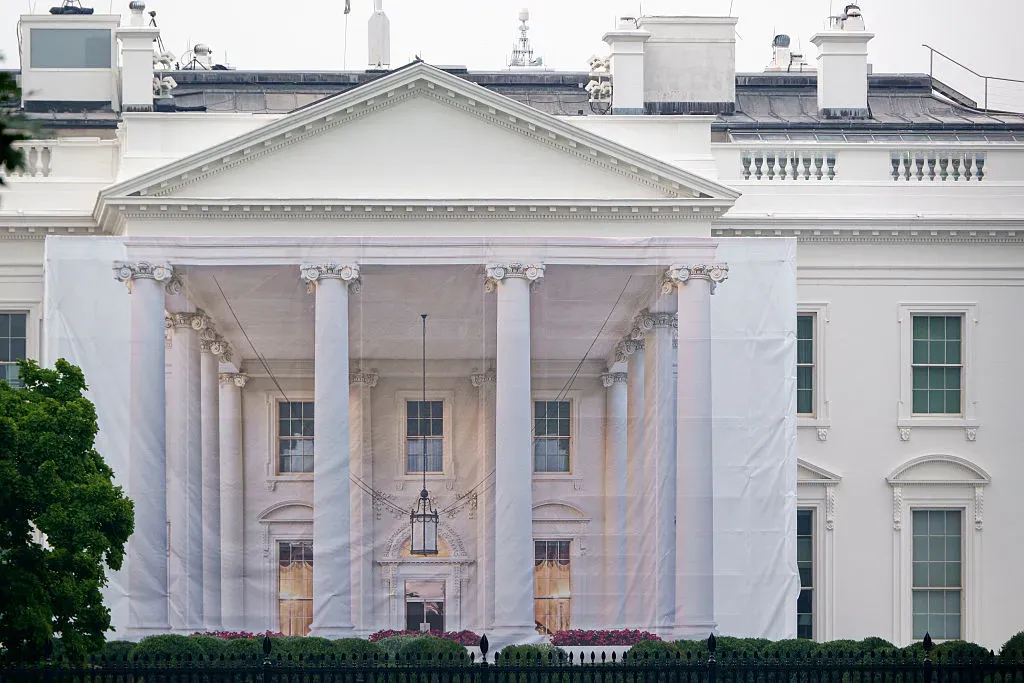
White House yanks 'Build the Wall' game after Tetris Company copyright warning
The administration's arcade game vanished in hours - and the takedown playbook every brand can learn from.