

Psyche’s Mars flyby delivers crater and polar-ice time-lapse nobody knew it had
NASA’s Psyche spacecraft captured Mars’s craters, polar ice caps, and deserts during an earlier flyby en route to Psyche’s metal-rich asteroid.
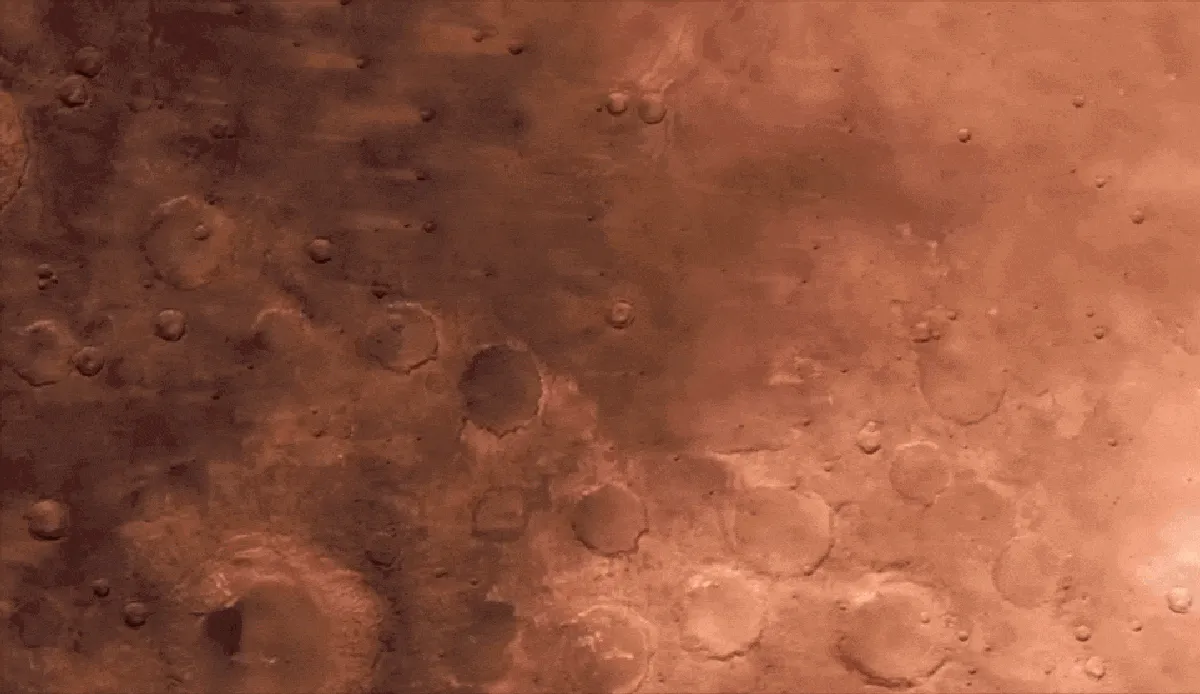
NASA’s Psyche spacecraft flew by Mars earlier this year while heading to a metal-rich asteroid, and captured mesmerizing time-lapse images along the way. For decision-makers watching space programs and deep tech execution, the payoff is a reminder: “transit” phases can generate real, mission-grade science outputs.
NASA’s Psyche spacecraft flew by Mars earlier this year on its way to a metal-rich asteroid, and it used the trip to capture a stunning time-lapse of the planet. The result is a new set of mesmerizing images that show Mars’s craters, polar ice caps, and deserts. In other words, while Psyche was doing the hard work of traveling toward its true target, it also squeezed value out of a stop it was going to make anyway.
That matters because the Psyche mission is not just a sightseeing detour. According to Scientific American, the spacecraft’s flyby happened specifically earlier this year, as it traveled on its route to the metal-rich asteroid that gives the mission its name. The time-lapse is the “along the way” story, but it is also an execution story: planetary missions have limited windows for observation, tight pointing constraints, and finite data downlink capacity. Getting a time-lapse that meaningfully reveals surface features like craters and the polar ice caps means the mission team aligned engineering realities with science opportunity during a phase that could have been treated as pure transit.
For executives who fund, govern, or build space and other hardware-heavy programs, there is a strategic pattern worth noticing. Big missions often get evaluated on their headline deliverable, the one that appears in the press release. But internal scoreboards and external scrutiny tend to be broader: can the program extract usable data when conditions are good, and do it without compromising the primary objective? Psyche’s Mars imagery supports the idea that transit can be more than a “get there” step. It can be an additional product line. In a world where timelines are long and budgets are scrutinized, that second product line can change how leadership talks about performance.
Zoom out one layer and the incentive structure becomes clearer. Space programs typically operate under public accountability and milestone-driven planning. They face technical risk, schedule risk, and, importantly, reputational risk, because images and discoveries become visible artifacts that stakeholders can rally around. A compelling time-lapse of Mars, even one captured during a flyby, creates a tangible narrative: the spacecraft is not only reaching its destination, it is also contributing observational value. That narrative can be helpful for maintaining stakeholder confidence and for sustaining interest, which is not “PR fluff” in these environments. Interest affects partnerships, recruiting, and funding continuity.
Now consider how this fits into the market context for space hardware and data services. Investors and operators increasingly think about mission data as a downstream asset. The more high-quality observations a spacecraft can capture, the more potential there is for analysis, education, and science workflows that extend beyond the mission’s core goal. Even if the source here focuses on the flyby imagery, the underlying implication for commercial and institutional audiences is straightforward: spacecraft are not just vehicles, they are moving sensing platforms. When teams plan for maximum sensing return, they can stretch the value of a mission over more use cases.
There is also a regulatory and governance angle, even if the source does not spell out specific agencies beyond NASA. NASA missions are typically planned and communicated within frameworks that emphasize mission integrity, risk management, and compliance with applicable rules for spacecraft operations. Flybys add operational complexity, since teams must manage trajectory, instrument settings, and communication constraints while staying on course. Delivering clear time-lapse imagery that reveals recognizable features like polar ice caps and craters suggests disciplined planning. For boards and program leadership, that is the kind of operational competence that reduces uncertainty about whether the organization can execute under real constraints.
Second-order implications follow quickly. If a mission can pull high-visibility observational content from a flyby on the route to a metal-rich asteroid, it sets expectations for future missions with similar transit segments. It also creates internal pressure to treat every mission phase as potentially productive, not just the final arrival. And for leadership teams in comparable roles, the Psyche story becomes a practical lesson: ask how you will harvest value during “non-primary” moments, and whether your governance model rewards that behavior.
The strategic stakes are simple. Psyche is headed to a metal-rich asteroid, and Mars was a stop along the way. Yet the mission still delivered a time-lapse that highlights the planet’s craters, polar ice caps, and deserts. For decision-makers watching deep tech execution, the take-home is not that every transit will yield a masterpiece. It is that the missions that win long-term confidence are the ones that treat constraints as creative boundaries, capturing usable, mission-grade output even while they are doing the most difficult thing of all: moving through space toward the real objective.
This story's Key Insights and Take-aways are locked.
Create a free account to unlock Executive Actions for one credit.
Register to UnlockAlways free for Executives Club members. Join the Club
More in Science

Cloggs Cave evidence shows 25,000 years of burning grass for magic, cures, and curses
A new cave-focused study ties Aboriginal oral traditions to long-running ritual practice, reshaping how we interpret “old” human behavior.
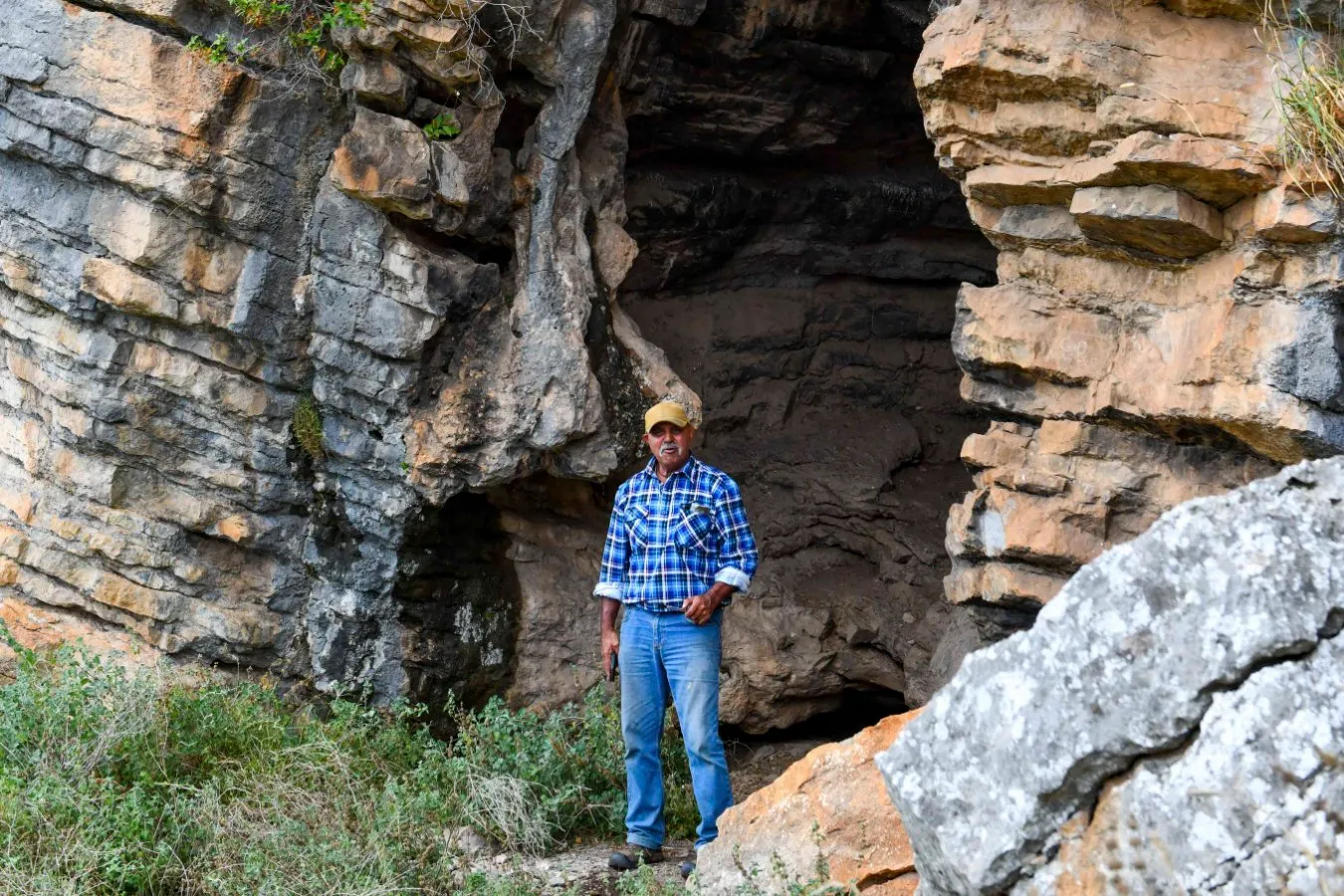
Bruno David links ash rituals in Cloggs cave to 25,000 years of GunaiKurnai practice
Phytolith evidence shows grass ash was made in repeating layers, extending ritual continuity far beyond earlier estimates.

NISAR’s L-band radar maps Antarctica’s “hummingbird” and exposes stressed ice cracks
The August 2025 image of Nunatak Zaterjavshijsja reveals how an ice obstruction fractures the surrounding surface.