

Qualcomm bets on AI glasses with Snapdragon Reality Elite and white-label START
Two Tuesday launches position Qualcomm as the silicon supplier for the device that replaces the smartphone.

Qualcomm announced Snapdragon Reality Elite, a mixed reality chip platform with improved AI processing for headsets and tethered glasses, and START, a white-label toolkit for eyewear manufacturers. The move matters for decision-makers because it signals where Qualcomm wants to anchor the next computing platform.
Qualcomm used Tuesday’s announcement to push a very specific message: the next computing platform probably is not a phone, and the next silicon bill of materials will not be built around smartphone chipsets. The company launched Snapdragon Reality Elite, a mixed reality chip platform designed for headsets and tethered glasses, and it emphasized substantially improved AI processing for those devices. In parallel, Qualcomm introduced START, a white-label toolkit aimed at eyewear manufacturers.
If you are a founder, product leader, or investor trying to forecast platform gravity, this is the kind of two-pronged move that deserves attention. Qualcomm is not just shipping a chip platform for reality computing. It is also offering a tooling layer that can help eyewear makers bring products to market faster without doing everything from scratch. That pairing is exactly how semiconductor suppliers try to move from “component vendor” to “platform layer,” and it is a clear attempt to shape the buyer and developer ecosystem around mixed reality hardware.
So what is actually new here? Snapdragon Reality Elite is positioned as a mixed reality chip platform, and Qualcomm calls out “substantially improved AI processing” for headsets and tethered glasses. In plain English, that matters because AI is the work that makes mixed reality usable, not just viewable. On these devices, AI tends to be involved in interpreting sensor input, powering on-device perception tasks, and enabling real-time features that can otherwise feel laggy or gimmicky. Qualcomm is basically saying: if your next AR or MR experience needs more AI compute, come to us.
Then there is START, described as a white-label toolkit for eyewear manufacturers. White-label toolkits are not about the final consumer brand. They are about reducing friction for manufacturers and letting partners focus on differentiation rather than rebuilding foundational layers. Even though the source excerpt truncates after “gives eyewear manuf,” the positioning is still clear from what is available: START is designed to be usable by eyewear companies as a toolkit, not a one-off engineering engagement.
Why does this matter in the larger market context? Qualcomm’s stated strategy is aimed at positioning the company as the silicon supplier for whatever computing device eventually displaces the smartphone. Historically, smartphones won because they bundled compute, connectivity, and a massive software ecosystem. If a new device category ends up taking over those roles, silicon suppliers that establish early relationships with device makers and influence platform design can capture long-term revenue streams. If they do not, they risk being squeezed into commodity supply, where margins get thinner and bargaining power shifts to whoever owns the platform interface.
There is also a business incentive that is hard to ignore. Mixed reality and AI glasses are not “one company builds everything” products. They require coordination across chip supply, device design, software frameworks, and partner manufacturing. By launching both Snapdragon Reality Elite and START, Qualcomm is effectively offering a path that connects silicon capabilities to integration tooling. That can make it easier for eyewear manufacturers to adopt Qualcomm solutions as they design new devices for headsets and tethered glasses.
From a decision-maker perspective, this is also a story about ecosystem control and speed. AI features typically raise both performance requirements and development complexity. Toolkits like START can help reduce time-to-integration for manufacturers, which can translate into faster device iterations. Faster iterations can then accelerate developer interest, which can then expand the set of apps and experiences built for the platform. Qualcomm likely wants to compress that loop before competing silicon vendors define the standard interfaces and performance expectations.
Finally, consider the second-order implications for companies watching the device transition. If your organization depends on the smartphone platform for distribution, measurement, or hardware assumptions, a credible move toward AI glasses changes the timeline and the target environment. If you are on the semiconductor side, Qualcomm’s dual launch signals that platform strategy will not be limited to a chip spec sheet. It will include the tooling layers that help device makers ship. And if you are an investor underwriting “next platform” bets, Qualcomm is essentially telling the market that it intends to be in the center of the hardware and integration stack, not waiting at the edge as demand shifts away from phones.
This story's Key Insights and Take-aways are locked.
Create a free account to unlock Executive Actions for one credit.
Register to UnlockAlways free for Executives Club members. Join the Club
More in Technology

Nvidia's $89B data center quarter: the 9 companies cashing in
The AI buildout is minting fortunes beyond GPUs, and memory, cloud, and cooling suppliers are riding the same wave.
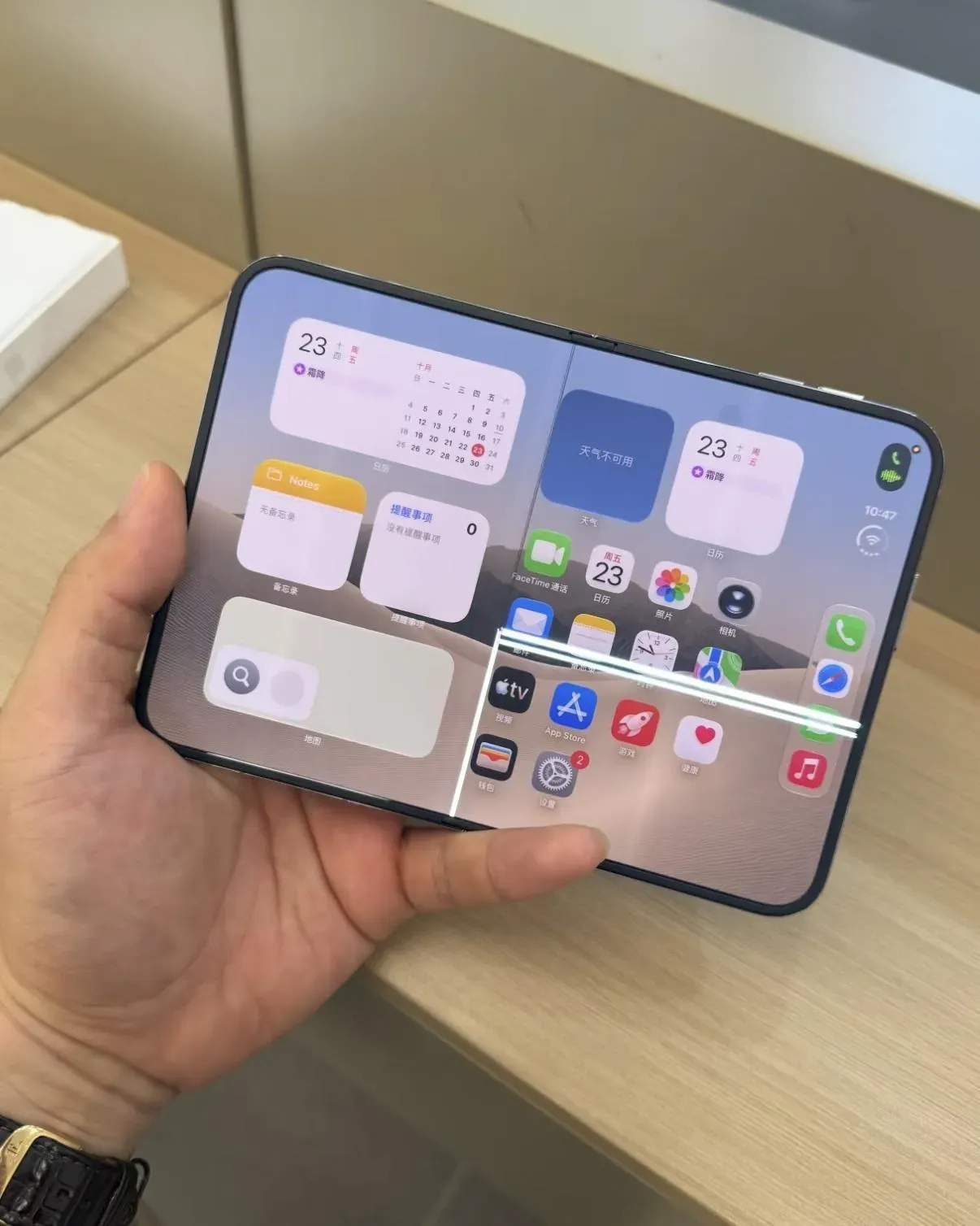
A YouTuber dissected the iPhone Duo and thinks he found crackgate's cause
CuriousHagi's teardown of Apple's foldable reveals a gear-like hinge that may explain why screens crack in the same spot within hours.

Google quietly links your phone number to every Android account on your SIM
Adding a SIM now ties your phone number to all Google accounts - and future accounts inherit it. Here's the security and privacy stakes.