
Reese Witherspoon, Mediawan buy back Hello Sunshine from Candle Media
The creator-first buyback hands Witherspoon control of her studio and puts co-founder Seth Rodsky on the board, a signal for talent-led IP.
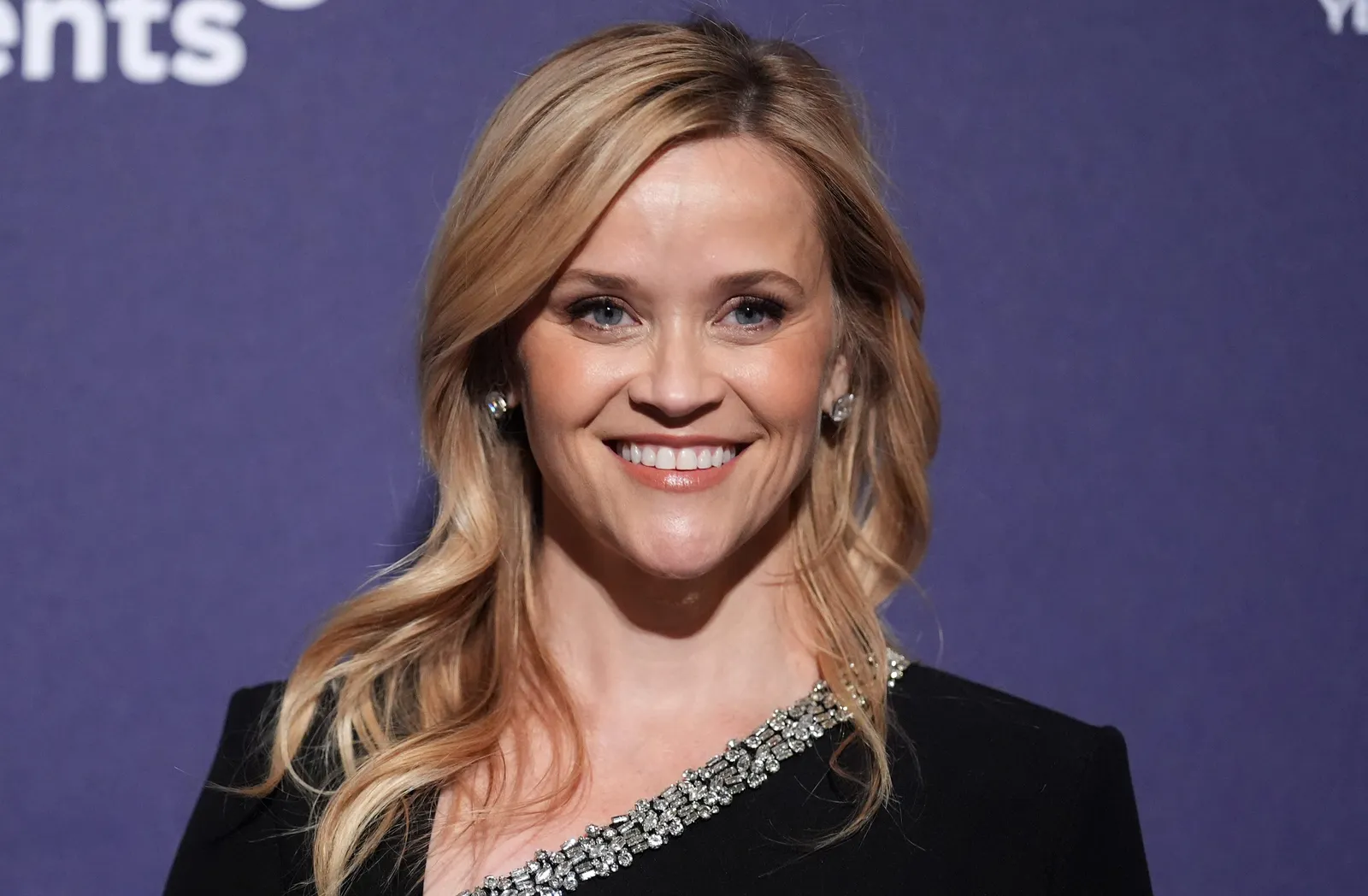
Reese Witherspoon, backed by Mediawan, is buying back Hello Sunshine from Candle Media, returning the production banner to her control. The deal puts co-founder Seth Rodsky on the board and signals a shift toward creator-led independent studios.
Reese Witherspoon is taking back the keys to Hello Sunshine. The actress and producer, with backing from European studio group Mediawan, is buying the production banner from Candle Media, a deal that returns the company to its founder's control. The buyback ends Candle Media's ownership of Hello Sunshine and hands Witherspoon a decisive stake in the studio she launched in 2016, a reversal that few in the media M&A world saw coming after years of consolidation by deep-pocketed buyers.
Hello Sunshine co-founder Seth Rodsky will join the board alongside Witherspoon and representatives from Mediawan, according to the announcement. Witherspoon framed the deal as a return to her original vision: "Mediawan has built a global, independent studio by putting creators first. That has always been my vision for Hello Sunshine." The quote cuts to the core of the transaction: this is not just a change in ownership, it is a repositioning of the banner around creator autonomy, with Witherspoon and Rodsky back in the driver's seat and Mediawan providing capital and distribution heft rather than creative direction.
The deal is a notable reversal in an era where media conglomerates and investment firms have been snapping up production houses to secure premium content pipelines. Candle Media, which had taken ownership of Hello Sunshine, is now selling it back, a move that underscores the growing leverage of top-tier talent in negotiating control over their intellectual property. For Witherspoon, the buyback is a personal and professional victory: she built Hello Sunshine into a powerhouse known for female-led stories and book-to-screen adaptations, and now she gets to steer that legacy without a corporate parent looking over her shoulder.
Mediawan's role is the strategic wildcard. The Paris-based studio group has been quietly expanding its footprint in the U.S. by partnering with high-profile creators and production companies, and this deal gives it a meaningful stake in one of Hollywood's most recognizable independent banners. By joining the board, Mediawan gains a seat at the table for Hello Sunshine's slate decisions, while Witherspoon retains the creative control she has long sought. The structure suggests a hybrid model: Mediawan provides the balance sheet and global distribution network, while Witherspoon and Rodsky run the show, a template that could appeal to other creators looking to reclaim their IP without going it alone.
The board composition is telling. Rodsky, who co-founded Hello Sunshine with Witherspoon, returns to governance alongside the founder and Mediawan representatives. That three-sided arrangement creates a check-and-balance dynamic: Witherspoon and Rodsky bring the creative vision and institutional memory, while Mediawan brings financial discipline and international reach. For a company that has navigated the streaming boom and the post-strike production slowdown, having a board that aligns incentives between talent and capital is a rare and deliberate choice, one that could set a precedent for how creator-led studios structure their governance.
For executives and boards across media and entertainment, the Hello Sunshine buyback is a case study in the shifting balance of power. Talent is no longer just a hired gun; it is an asset class with the leverage to buy back its own output. The deal also signals that independent studios can thrive outside the conglomerate system, especially when they pair a strong brand with a patient financial partner like Mediawan. Candle Media's decision to sell, meanwhile, raises questions about the holding company's strategy: is it pruning assets to focus on core bets, or does the sale reflect a broader recalibration of how media investors value creator-led businesses?
The transaction arrives at a moment when the streaming wars have cooled and buyers are more selective about content spend. Studios that can produce reliably for platforms like Netflix, Apple, and Amazon are increasingly valuable, but only if they retain the creative talent that makes their output distinctive. Hello Sunshine, with its track record of hits and its founder's star power, is exactly the kind of asset that can command favorable terms. By taking back control, Witherspoon is betting that independence, not scale, is the key to long-term creative and financial success.
For peers in similar positions, the playbook is clear: if you have built a valuable production brand, you may have more leverage than you think. The deal shows that creators can reclaim their companies when the right partner comes along, and that board seats are a meaningful currency in those negotiations. It also reminds investors that talent-led IP is not just a content play, it is a governance play, one where the founder's vision can outlast the latest round of consolidation. Hello Sunshine's next chapter will be watched closely, not just for its slate, but for how well this creator-first experiment actually works in practice.
This story's Key Insights and Take-aways are locked.
Create a free account to unlock Executive Actions for one credit.
Register to UnlockAlways free for Executives Club members. Join the Club
More in Business

Elon Musk unveils a flying car, and SpaceX helped build it
The Tesla CEO's showcase at a SpaceX facility signals a future where road and rocket engineering converge.

Apple's $2,000 iPhone Duo opens preorders, taking on Samsung and Google
Apple's first foldable hits the market at a premium price, reshaping a category Samsung and Google have led.

Pope Leo XIV, first American pope, diagnosed with lung cancer
The 71-year-old Chicago-born pontiff underwent successful surgery on his right lung, and his diagnosis raises new questions about his AI-focused papacy and the Vatican's future.