

Researchers revive vancomycin with pghi-4, restoring kills against drug-resistant E. faecium
A small “helper” molecule blocks a resistance-linked enzyme, letting an old antibiotic punch back.
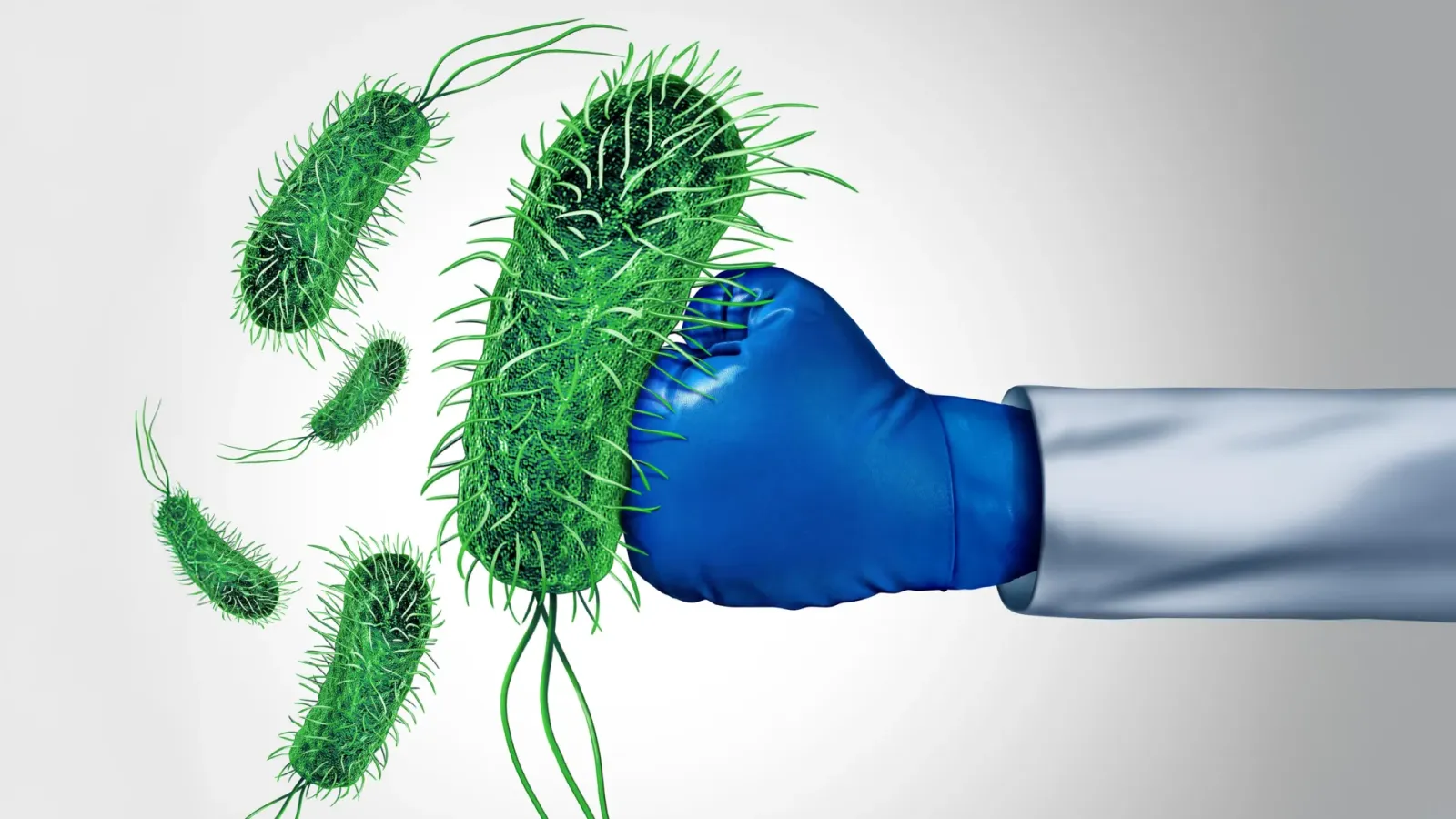
Scientists paired vancomycin with pghi-4, a small molecule that blocks a bacterial enzyme linked to resistance. The combination restored vancomycin’s ability to kill drug-resistant E. faecium, suggesting chemical helpers could rescue other failing antibiotics.
Here is the plot twist: vancomycin, one of the most powerful weapons against certain bacterial infections, had been outflanked by resistance. Researchers have now found a way to revive it without inventing an entirely new drug, by teaming it with a small molecule called pghi-4.
The key win is straightforward and clinically meaningful. The vancomycin plus pghi-4 pairing restored vancomycin’s ability to kill drug-resistant E. faecium. Instead of a promise that sounds like “maybe it works,” this is an actionable reversal: a drug that superbugs had defeated is made effective again in the presence of a resistance-interrupting helper.
That matters to decision-makers for a very business-like reason: antibiotic development is brutally expensive, slow, and politically constrained. Many antibiotic candidates fail in early testing, and even successful ones face uncertain financial returns because stewardship rules and prescriber behavior aim to preserve these drugs for when they are truly needed. In that context, the most attractive strategy is often not “replace the whole pipeline,” but “extend what already works.” This study lands right in that zone, because it uses an existing antibiotic as the foundation.
Instead of building a brand-new molecule, the researchers focused on the biology of resistance itself. pghi-4 is described as a small molecule that blocks a bacterial enzyme linked to resistance. In other words, the helper is not substituting for vancomycin. It is disabling the bacterial defense mechanism that had allowed drug-resistant E. faecium to survive vancomycin’s attack.
This is also a regulatory and portfolio question wearing a lab coat. Regulators do not just evaluate whether a compound kills bacteria in a dish; they consider mechanism, safety, and the likelihood the therapeutic will retain effectiveness across use. A combination approach can be easier to frame than a fully novel antibiotic, because part of the evidence base for vancomycin exists already. That does not eliminate the need for new clinical work for the combination, but it shifts the story from “unknown new drug” toward “re-engineered use of an established antibiotic system, powered by a resistance blocker.” For boards and investors, that kind of positioning can change timelines and risk profiles.
Zoom out one level and you can see why this finding is getting attention beyond one bacterium. Drug resistance is not a one-off problem. Bacteria evolve, and antibiotics that once seemed reliable can become ineffective as resistance mechanisms spread. When a strategy shows it can restore the activity of a failing antibiotic against a specifically named drug-resistant target, it hints at a repeatable platform idea: use small molecules as chemical assistants to neutralize resistance pathways and bring existing drugs back into play.
The source specifically notes that the combination “raised hopes that similar chemical helpers could rescue other failing medicines.” That sentence is the bridge from scientific result to executive implication. If helper molecules can be matched to resistance-linked enzymes in different bacteria, then the industry could spend less time starting from scratch and more time mapping resistance mechanisms to targeted blockers.
For peers in pharma, biotech, and even hospital system leadership, the strategic stake is clear. When resistance collapses the value of an antibiotic, the downstream effects show up everywhere: procurement budgets, formulary decisions, infection control pressure, and the urgency of new clinical programs. A method that revives an existing antibiotic against drug-resistant E. faecium suggests a pathway to stabilize effectiveness and potentially extend useful life for drugs that were on the wrong side of resistance.
Bottom line: vancomycin did not magically “win again” on its own. It was paired with pghi-4, which blocks an enzyme linked to resistance, restoring the antibiotic’s ability to kill drug-resistant E. faecium. For executives watching the antibiotic category closely, that is a rare kind of progress: practical, mechanism-driven, and built around rescuing what is already on the shelf.
This story's Key Insights and Take-aways are locked.
Create a free account to unlock Executive Actions for one credit.
Register to UnlockAlways free for Executives Club members. Join the Club
More in Science
2026 Nikon Small World Winners Reveal the Hidden Machinery of Everyday Life
A mycologist's frozen Edinburgh garden became the backdrop for vivid views inside cells, a reminder of what advanced imaging now makes visible to researchers and the industries built on biology.

Study: 1 in 4 depression cases may be a body-clock problem, not a chemical one
A 10,000-person study finds standard antidepressants often fail these patients, but melatonin and morning sunlight may hit the real root cause.

Start-Up Says A.I. Designed a Virus to Attack One Patient's Superbug
If the claim holds up, personalized phage therapy could become a new frontline weapon against antibiotic resistance - but proof is far from final.