
Rial jumps 15% and stocks rally 161,000 points, but food prices stay stuck
A US-Iran memorandum sparks currency and equity fireworks, yet Tehran shoppers say their grocery baskets cost the same.
After a US-Iran memorandum of understanding agreed on Sunday, Iran's rial has risen more than 15% and Iran's main stock index surged by record amounts. For decision-makers, the split between market relief and on-the-ground costs is a warning sign about how fast macro gains can translate into economic stability.
Iran’s markets are throwing a victory party after the US-Iran memorandum of understanding agreed on Sunday. The rial has risen by more than 15% against the US dollar, and the Tehran stock market has shattered records. On Monday alone, the main index jumped by a record-breaking 161,000 points in a single session, then added another 112,000 points by Tuesday to cross 5 million and settle at a historic high of 5.1 million.
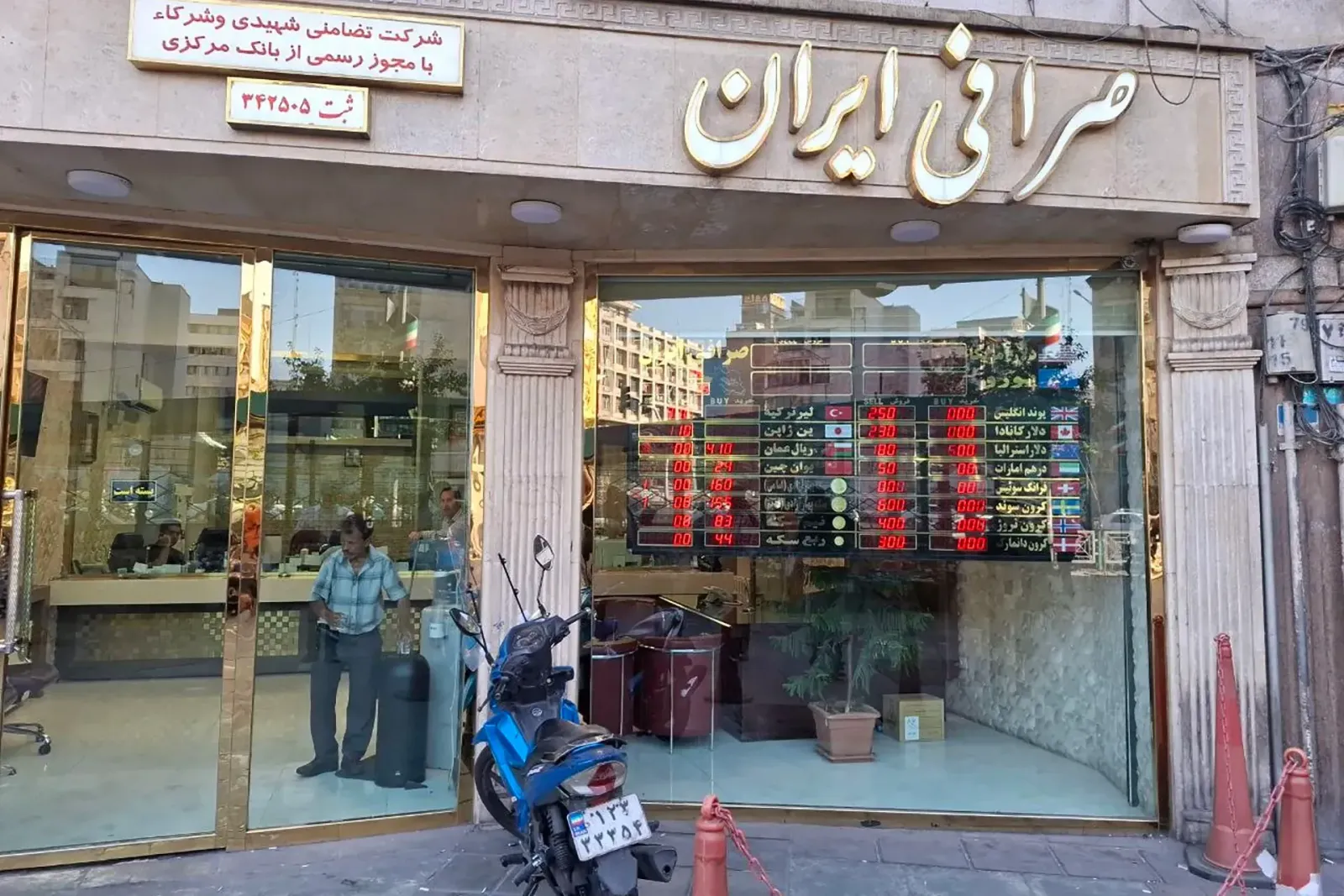
But outside the trading floor, the win does not show up at the grocery checkout. Al Jazeera reports that Iranians facing years of extremely high inflation and a plunging rial have found little economic relief because prices of basic goods like food remain high despite the diplomatic breakthrough. In Tehran, exchange offices show the dollar diving, yet shoppers say their baskets cost the same as last week.
The currency swing has been dramatic enough to change behavior in Ferdowsi Street, the beating heart of Tehran’s foreign exchange market. One exchange office worker, Amir, said they shut their doors just hours before the official announcement at 1.8 million rials to the dollar. By Thursday, he said it had fallen to 1.54 million rials, and he expected further declines, potentially to 1.4 million or lower. He also described increased sales volume while buyers stayed scarce, suggesting many hoped the rial would strengthen further before converting or buying.
This rebound matters because the rial’s recent history has been anything but calm. The exchange rate jumped to a historic peak of 1.9 million rials, or 190,000 tomans, to the dollar in March after the war outbreak on February 28. Then it settled around 1.685 million rials just before recent attacks despite a ceasefire. In other words, the market already learned how to price uncertainty quickly. Now it is quickly repricing optimism, and that is exactly what stock rallies are built to do.
Still, the real economy is moving through friction. In Tehran’s grocery stores, Reza, a 42-year-old resident, said prices for daily staples like milk, cheese, cooking oil and flour remain unchanged. “They say the dollar dropped, but my shopping basket costs the same as last week,” he told Al Jazeera. Another shop owner, 55-year-old Ramin, pointed to how the government distributes subsidised goods like bread while free-market dollar fluctuations do not immediately translate into retail shifts for all essentials. The core takeaway for executives is that FX moves can be instantaneous in markets and slow or muted in household pricing, especially when subsidies and supply contracts sit between the headline and the checkout.
There is also the import pipeline problem. A shopkeeper named Karim said items like shampoo, toothpaste and laundry detergent remain at inflated prices. His explanation was grounded in timing: distributors bought goods two months ago at old dollar rates, and prices stay high until the old stock runs out and new goods enter at lower exchange rates. Karim estimated the market could take at least two weeks to adjust, meaning Iranians could experience compounding inflation in the interim even as the rial strengthens.
Meanwhile, the stock market is behaving like a high-beta optimizer of “what if.” The trading floor was awash in green as investors reacted to leaks of the Washington-Tehran agreement. Saeed, a 40-year-old investor, called Monday a “historic day” and said investors are rushing to buy shares in energy and petrochemical sectors, betting on the resumption of exports and the reopening of global markets. But he also issued a concrete warning rooted in the 2015 nuclear deal experience, when markets soared and then collapsed after the US withdrawal. He was careful about the mechanism: the stock market is often driven by rumours.
That rumour risk matters because the rally is not evenly spreading across sectors. Al Jazeera reports that electronics hub shop owners described imported appliance prices dropping alongside the dollar, but sales stalled as customers waited for steeper discounts. Housing faces a similar pause. Nasrin, a 36-year-old real estate agent in northern Tehran, said an initial surge accompanied the truce, but then stagnation set in. Owners appear to be clinging to inflated prices, seemingly unaware of changed market dynamics, and transactions are described as virtually standstill. For boards and senior finance leaders, the second-order effect is clear: when price expectations lag behind currency expectations, liquidity dries up, and that can slow recovery even if macro indicators look healthier.
Finally, macro watchers are pushing back on the “it’s fixed” narrative. Hossein Selahvarzi, the former head of the Iran Chamber of Commerce, Industries, Mines and Agriculture, cautioned that the new agreement is “not a magic wand” that can instantly fix years of structural issues. He said the roots of economic malaise were planted well before the bombing began and framed war as the enemy of investment, production, trade and public welfare. Ending military confrontation, Selahvarzi stressed, does not necessarily mean economic prosperity, and restoring stability to the business environment remains Iran’s most urgent priority. He also described the opportunity as limited and fragile, warning it could be lost quickly if not managed correctly.
For decision-makers watching from outside Iran, this is a familiar pattern with a different accent. Diplomatic shifts can move currency and equities quickly, but the transmission to household costs and business confidence can lag because subsidies, inventories, and contracts decide what people pay. The strategic stakes are not whether the rial rebounds or the index hits new highs. It is how long it takes for those gains to become durable enough to unlock investment, production, trade, and public welfare, and whether the market’s early optimism outpaces the economy’s slower adjustment.
This story's Key Insights and Take-aways are locked.
Create a free account to unlock Executive Actions for one credit.
Register to UnlockAlways free for Executives Club members. Join the Club
More in Business

Anthropic’s Levant Alpöge cracks the Jacobian conjecture after 87 years
A Harvard valedictorian used Claude to hit a 1939 breakthrough, but the missing “why” is the real problem.

Uber buys Delivery Hero for nearly $15B, vaulting to top food delivery outside China
The deal doubles Uber's dual-services footprint and pushes a ride-and-eats bundling play into 50 more markets.

Epic and Google drop settlement bid, forcing rival Android app stores by July 22
Google told the court it is ready to carry third-party app stores starting Wednesday, July 22.