
Ripple's Chris Larsen: Let Chinese EVs into California for low-income buyers
The crypto exec wants a $10,000 BYD Seagull on US roads, but automakers are pushing for a total ban.
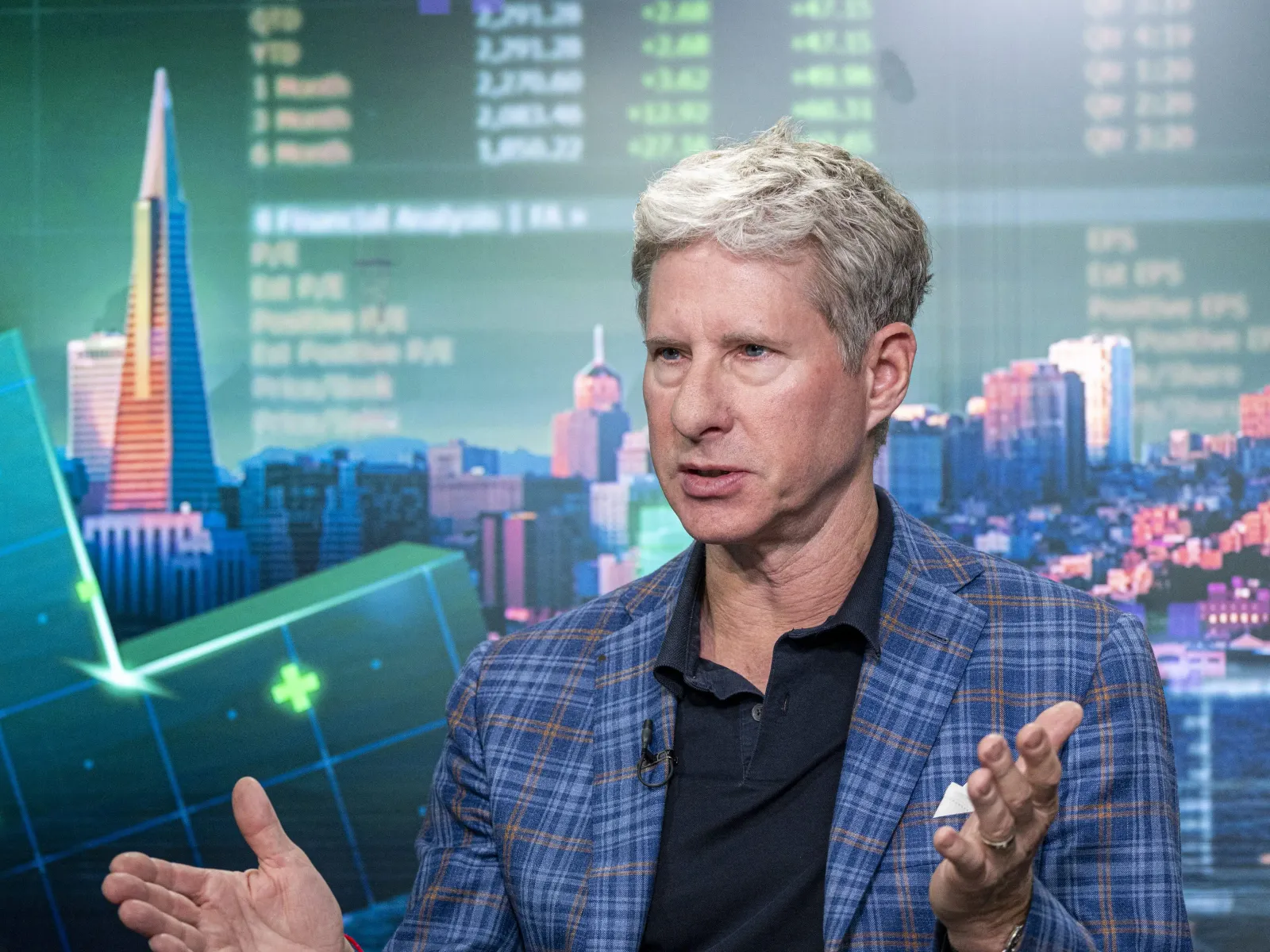
Ripple cofounder Chris Larsen told Kara Swisher that California should allow income-qualified buyers to purchase Chinese EVs like the BYD Seagull. His proposal clashes with the auto industry's push for a federal ban, highlighting a growing affordability-versus-security debate.
Ripple cofounder and executive chairman Chris Larsen is wading into the electric vehicle wars with a proposal that cuts against the grain of Washington's China hawks: let California's low-income drivers buy Chinese EVs. In an interview on the podcast "On with Kara Swisher," Larsen pointed to the BYD Seagull, a $10,000 electric car, and said, "We should be letting that into California, at least for our low-income folks." His logic is blunt: American automakers aren't building anything that cheap, and the people who need relief from sky-high car prices shouldn't have to wait for a domestic solution that may never come. "We're never going to make that stuff," he said, calling the gas tax "the most regressive tax in the world that's hurting the guy who can't afford to live in Silicon Valley."
Larsen's comments land at a moment when the US auto industry is pushing hard in the opposite direction. Just last week, the Alliance for Automotive Innovation, a trade group representing automakers and suppliers, sent a public letter to Congress urging lawmakers to "enact a Chinese vehicle, software and hardware ban before adjourning this year and make this policy the law of the land." The group argues that Chinese automakers' subsidized vehicles and connected technology pose both economic and national-security risks. Larsen's counterpoint is that affordability is a national-security issue too, especially in a state where the average new car has cost more than $50,000 since April, according to Cox Automotive data, and where gas prices stay elevated amid tensions in the Strait of Hormuz.
The affordability gap is stark. The BYD Seagull, which sells for around $10,000 in China, is a fraction of the cost of the cheapest new cars in the US, which typically start in the mid-$20,000s. For low-income Californians, the math is brutal: a $50,000 car is out of reach, and even a used car is a stretch. Larsen's proposal would create a carve-out, allowing income-qualified buyers to purchase Chinese EVs that are currently barred from US roads. He didn't specify how the income test would work, but the idea is to target relief to those who need it most, rather than opening the floodgates to all Chinese-made vehicles.
The regulatory landscape is the real battleground. The Biden administration has already imposed 100% tariffs on Chinese EVs, and the Commerce Department is reportedly considering rules that would ban Chinese vehicle software and hardware from US roads entirely. The auto industry's letter to Congress is a preemptive strike, aiming to lock in a ban before the administration changes. Larsen's suggestion would require California to carve out an exception to federal rules, which is legally fraught. States can't unilaterally override federal tariffs or safety standards, so his proposal would need federal cooperation, something that seems unlikely given the current political climate.
But Larsen's point resonates beyond California. The US auto industry has been slow to produce affordable EVs, with most automakers focusing on higher-margin trucks and SUVs. Tesla's cheapest model, the Model 3, starts around $38,000, and even that's been cut from earlier prices. The result is that EVs remain a luxury for many Americans, and the transition away from gas is stalling. Larsen's argument is that if the US won't build cheap EVs, it should at least let the ones that exist in, at least for the people who can't afford anything else.
The pushback is predictable. National-security hawks worry that Chinese EVs could collect data on American drivers or be remotely disabled in a conflict. The auto industry, which has spent billions on EV development, doesn't want to compete with subsidized Chinese rivals. But Larsen's proposal forces a question: is the risk of Chinese software worth the cost of keeping low-income Americans stuck with gas guzzlers? He seems to think the answer is no, and he's willing to say so publicly, even if it puts him at odds with the industry he once helped disrupt.
For executives watching this debate, the stakes are clear. If Larsen's idea gains traction, it could crack open the US market for Chinese EVs, reshaping the competitive landscape overnight. If it fails, the industry gets its ban, but the affordability problem remains unsolved. Either way, the conversation is shifting from "should we let Chinese EVs in?" to "how do we make EVs affordable for everyone?" Larsen's answer is simple: let the market work, even if it means importing the competition.
This story's Key Insights and Take-aways are locked.
Create a free account to unlock Executive Actions for one credit.
Register to UnlockAlways free for Executives Club members. Join the Club
More in Business
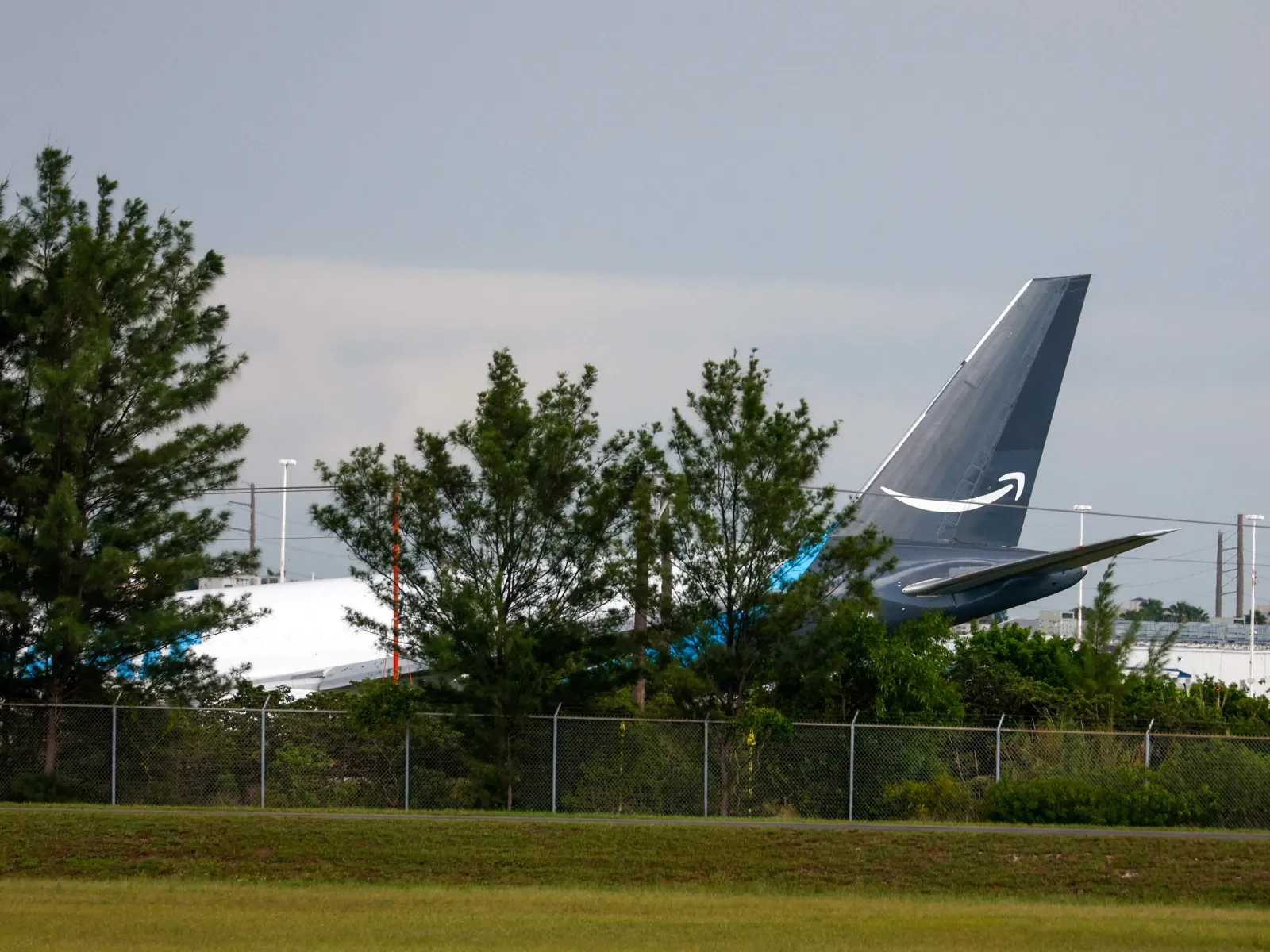
Amazon Prime Air 767 overshoots Miami runway, killing at least 5
The Boeing 767 freighter from San Juan struck vehicles and erupted in flames, prompting a ground stop and a fresh NTSB investigation into Amazon's air cargo network.

Death sentence for TV presenter Sarah Khalifa: Egypt's drug case hits media
The sentencing of Sarah Khalifa and 11 others underscores the severity of Egypt's anti-drug laws and the exposure of public figures to capital punishment.
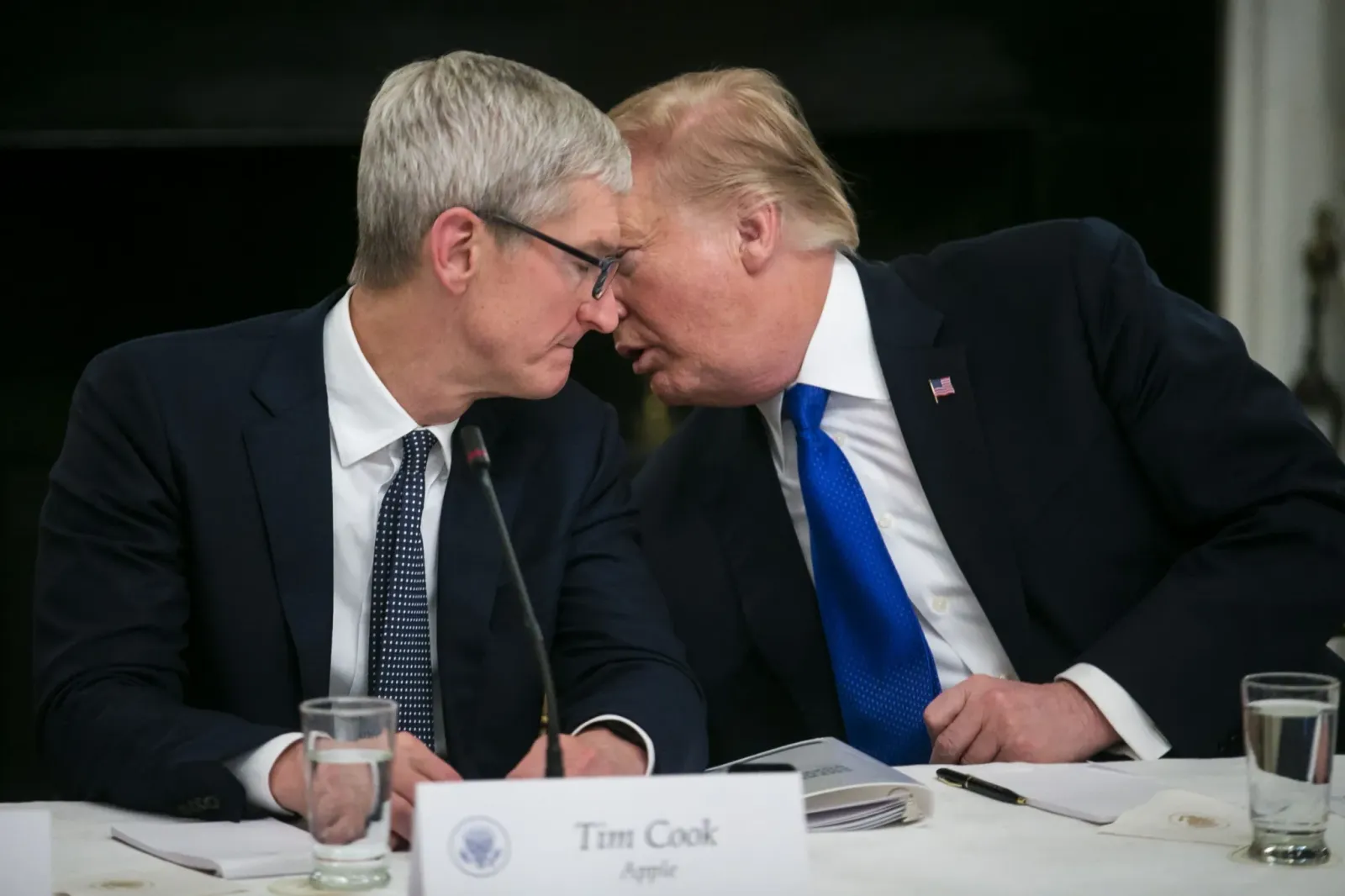
Tim Cook steps down as Apple CEO, stays on as chair with $45M equity
The 'Trump whisperer' keeps his White House and Beijing access as Apple navigates tariffs and a $4.6 trillion market cap.