
Roblox reveals creator cut for brand integrations: how much the platform takes
The company finally spells out its take rate from brand integrations, letting creators and sponsors model ROI more precisely.
Roblox has announced how much creators will pay (and therefore how much Roblox will take) for brand integrations. The decision clarifies economics for creator-platform partnerships and forces brand and monetization teams to redo their forecasts.
Roblox has finally detailed the economics behind brand integrations. The platform’s announcement makes one thing clear for creators and brand teams: there is a defined cut at stake when marketing enters gameplay, and it is no longer a mystery baked into vague “partnership” language.
For decision-makers, the headline is the practical part: Roblox is putting numbers behind how brand integrations work financially. That matters because brand deals live or die on forecasting. If you cannot reliably estimate what you get back after the platform takes its portion, you end up negotiating from gut feel instead of unit economics. With Roblox now revealing the creator payment mechanics for these integrations, sponsors can model ROI more directly, and creators can better understand how much of the value they generate will show up as revenue to them.
This is part of a bigger shift in gaming and creator platforms: brand integrations are becoming a standard monetization layer, not an experiment. The business logic is straightforward. Games and interactive worlds create attention that is stickier than traditional ad inventory, and creators provide distribution that marketing teams cannot replicate with a banner alone. But the moment brands show up, the platform becomes the referee. Every integration needs a revenue share, a workflow for approvals, and a way to protect both brand safety and user experience.
Roblox sits right in the middle of that tension. It is a large consumer platform with a creator ecosystem, meaning it has to balance two incentives at once: keep creators motivated to build and improve, while also ensuring that brand partners trust the environment enough to spend. A clearer take rate helps both sides. Creators can plan their time and production pipeline with more certainty. Brand partners can plan budgets and expected return with fewer unknowns. Platforms win when they reduce friction and make deals repeatable.
There is also a governance angle. Platforms that monetize via brand integrations often face scrutiny on disclosure, content moderation, and how sponsored content is presented. Even without naming specific regulators in the announcement itself, the broader regulatory backdrop is real: regulators and policymakers around the world have been focusing more on advertising transparency and how commercial relationships are communicated to users. When a platform defines the financial mechanics of brand integrations, it can also make it easier to operationalize compliance. For example, teams can tie payment structures to specific integration types, labeling requirements, or approval flows.
Second-order, the economics will shape how creators build. If creators know what portion of integration value they effectively retain, they can prioritize building worlds, items, or experiences that are more likely to attract sponsors within the rules of the integration system. That can change the content mix over time, nudging creator behavior toward what the sponsor ecosystem values. In a platform economy, the money is never just money. It becomes an engine for what gets produced.
For brand and monetization executives, the take rate is also a lever in negotiations. When platforms keep economics opaque, every deal becomes bespoke and slow. When a platform specifies how much creators will pay for brand integrations, it creates a baseline. Baselines typically accelerate the deal cycle and reduce the space for misalignment. Brands may still negotiate creative formats, measurement, and exclusivity terms, but at least the core revenue split is known.
Finally, peers should treat Roblox’s move as a signal. The platform economy is converging on transparent marketplace-like economics for creator partnerships. Whether it is advertising, sponsorship, virtual goods, or commerce, creators expect clearer terms and sponsors expect predictable returns. By spelling out what creators will pay in connection with brand integrations, Roblox is effectively telling the ecosystem: “This is how the math works.” If you are running a creator-driven platform, building monetization, or allocating marketing budgets into interactive environments, that kind of clarity becomes a competitive advantage. It can lower the cost of experimentation for everyone involved and make partnerships scale faster than they would under a fog of unknown cuts.
This story's Key Insights and Take-aways are locked.
Create a free account to unlock Executive Actions for one credit.
Register to UnlockAlways free for Executives Club members. Join the Club
More in Entertainment
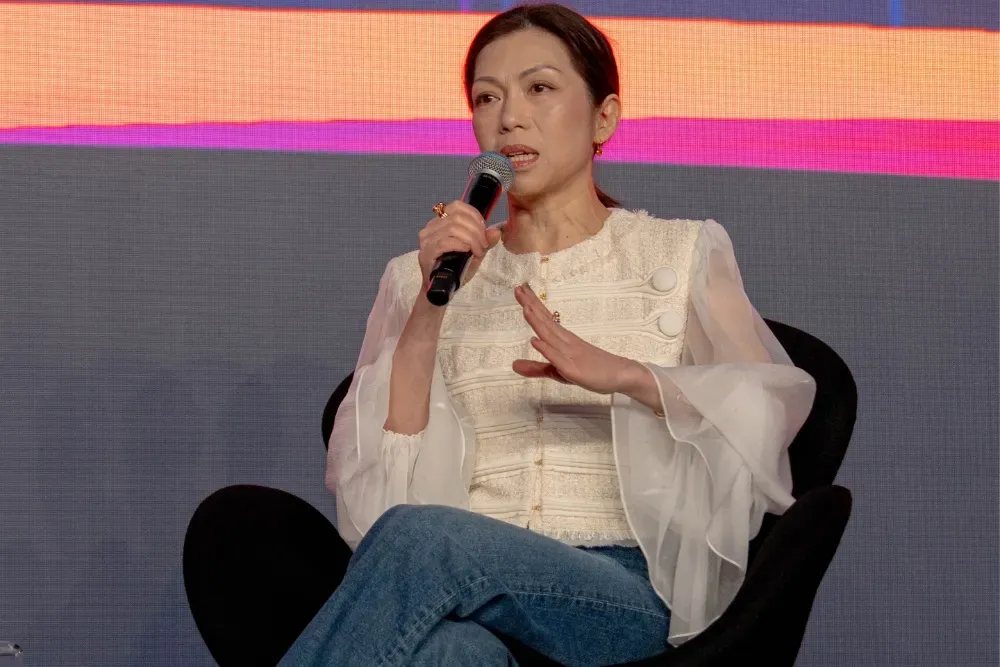
Viu CEO Janice Lee: nearly 20% of long-form users watch microdrama
The format launched months ago, and Viu is building a broader branded and co-production plan around it.
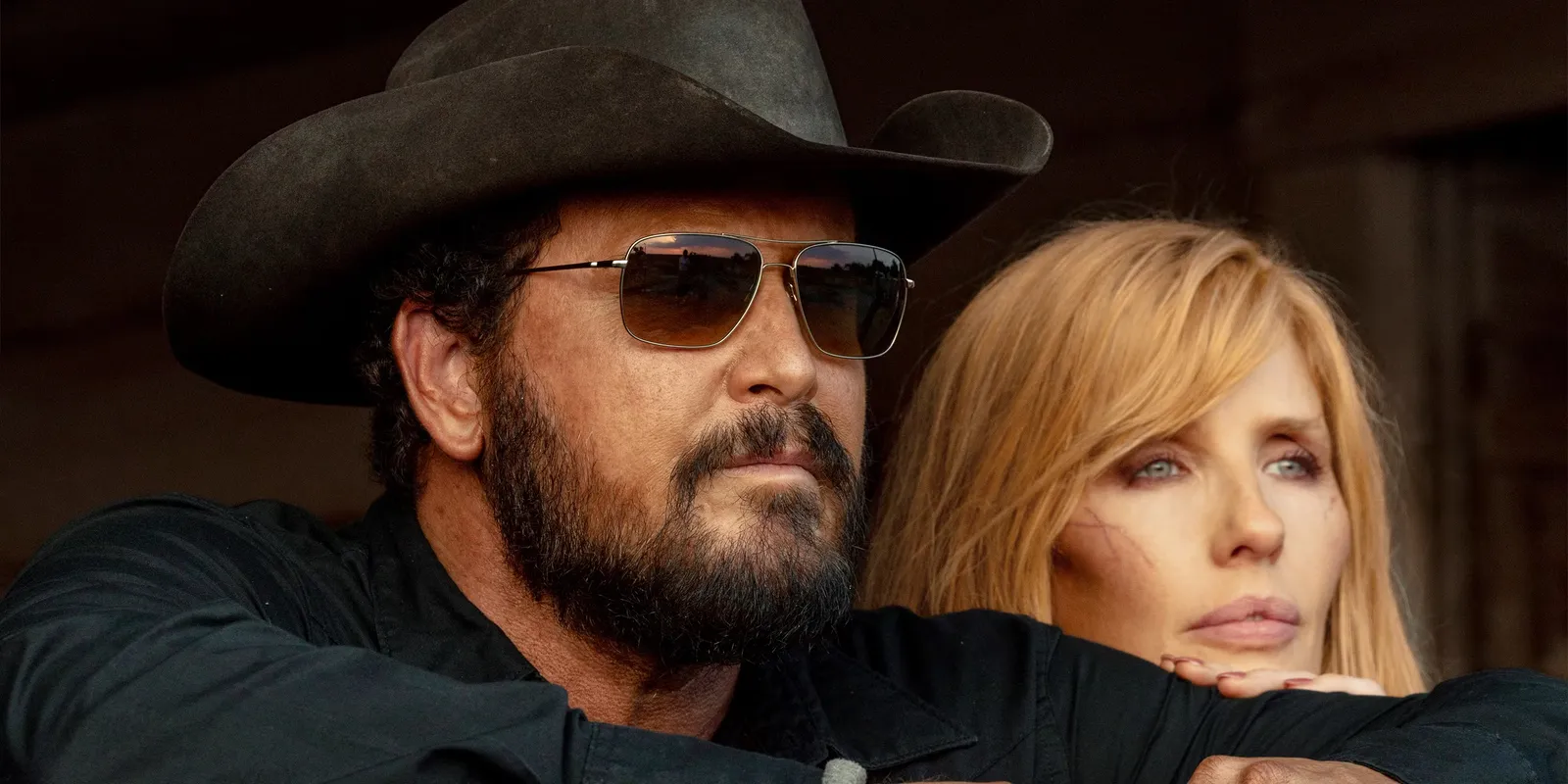
Ransom Canyon returns next month as Netflix fills the Taylor Sheridan Dutton Ranch gap
Netflix brings Ransom Canyon back for Season 2 next month, staking streaming-week dominance against Sheridan’s Yellowstone universe.
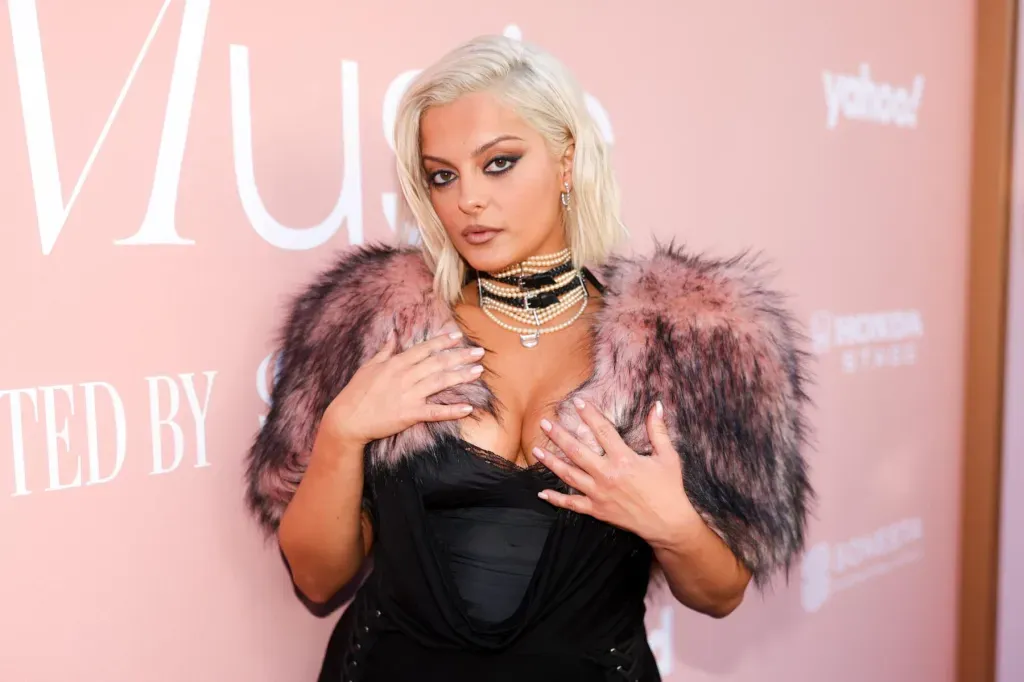
Bebe Rexha blocks Olivia Rodrigo rivalry after “Olivia outsold u” comparison
Rexha says she is happy for Rodrigo and doubles down on celebrating women instead of turning pop into a cage match.