
Salah ends Egypt’s 92-year World Cup wait, firing them to their first win
Mohamed Salah’s goals deliver Egypt’s historic breakthrough, 92 years after their World Cup debut, reshaping football narratives and funding cycles.
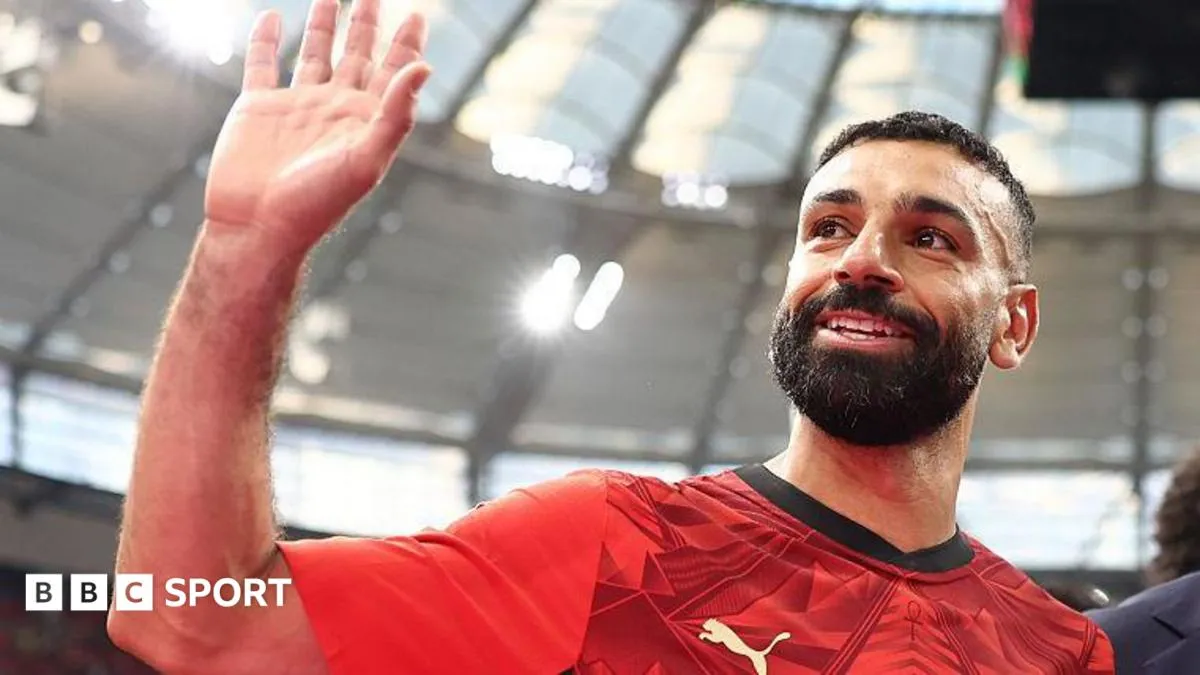
Mohamed Salah fired Egypt to their first ever World Cup win, ending a 92-year wait since their tournament debut. For decision-makers, the win changes the financial and brand dynamics around Egyptian football and future tournament planning.
Mohamed Salah fired Egypt to their first ever World Cup win, ending a 92-year wait that dates back to their tournament debut. In the simplest terms, this was not just a match result. It was a historical reset. For Egypt, a country whose football identity has long been tied to moments of promise and painful near-misses, a first World Cup win is the kind of milestone that becomes a reference point for decades. For everyone watching from the outside, it is proof that tournament football can still surprise, even when the storylines are older than many of the fans in the stadium.
That 92-year timeline matters because it reframes what “late” or “under pressure” means in international sport. Egypt’s World Cup journey stretches across multiple generations, and so the win lands as both sporting progress and cultural closure. Salah, the headline figure in the BBC Sport report, is the engine of that moment. He fired Egypt to victory, turning an all-time drought into a new chapter. When a single player is credited with delivering a first-ever win, the second-order question for executives is obvious: what happens to value chains when an iconic figure and a national milestone align at the same time.
Football economics are often discussed like it is all about marketing spend and matchday revenue, but the mechanics are more direct. National team success affects commercial interest in predictable ways: sponsorship packages become easier to justify, viewership lifts interest from media partners, and the overall brand warmth around a team increases. Even without new numbers in the BBC report, the direction of impact follows from the nature of the achievement. Egypt’s first World Cup win is a moment that broadcasters, kit manufacturers, and sponsors can point to in board decks and renewal conversations. When you have a “first” like this, it helps compress the time between “awareness” and “activation,” because people already recognize the historical weight.
There is also a governance angle, because international football success is rarely the work of one person in isolation. Egypt’s result will feed back into how national federations structure planning for qualifying cycles, coaching continuity, and squad development. Tournament performance tends to influence how boards allocate risk across the calendar. Do you invest more heavily in youth pipelines after a breakthrough? Do you secure longer-term technical partnerships? Do you adjust the balance between scouting and training investments? A first World Cup win is the kind of outcome that can shift internal priorities quickly, because it turns a long-running narrative into something measurable.
Salah’s role, as presented in the BBC Sport framing, is the catalyst. That matters for how the wider ecosystem values star power. When a single player can “fire” a team to a historic win, executives should think about dependencies and resilience. Star reliance can be a strength, but it also creates concentration risk. Teams and federations tend to respond by investing in surrounding structures that can reproduce outcomes when star moments are not available. In practical terms, that means improved tactical flexibility, deeper bench planning, and tighter integration between domestic leagues and national team preparation. The win is historic, but the organizational challenge is sustaining the level after the spotlight moves on.
Regulatory context is part of the modern football backdrop too, even when the BBC Sport report is focused on the match outcome. FIFA World Cup participation and performance have direct implications for qualification pathways, scheduling, player availability, and how leagues coordinate with national team windows. When a team finally lands its first World Cup win after 92 years, it increases attention not only on the pitch but also on the surrounding rules and calendars that determine who can be selected, when, and under what workload constraints. Decision-makers in football operations and sports management watch these outcomes closely because tournament momentum can affect negotiations with clubs over release windows, insurance coverage, and training standards.
For peers, the strategic stakes are bigger than one country’s story. Egypt’s historic win is a reminder that tournament football can deliver a step change that changes perception, funding, and recruitment overnight. If you run a club academy, you can use national-team breakthroughs to attract and retain talent. If you are a media executive, you can treat landmark moments like this as demand signals for coverage. If you are a board member in the football world, you should assume that stakeholders will demand follow-through after a first-ever World Cup win. The historical drought is over. Now the question is whether Egypt, and the institutions around it, can convert this one firing run into a sustainable competitive advantage.
This story's Key Insights and Take-aways are locked.
Create a free account to unlock Executive Actions for one credit.
Register to UnlockAlways free for Executives Club members. Join the Club
More in Entertainment

Disney Lorcana’s Attack of the Vine adds Up’s Carl, Ellie, Russell, and Paradise Falls
Ravensburger’s next set finally brings Pixar’s Up into Lorcana, starting with Carl, Ellie, Russell, and the Falls.

A24 hands Google DeepMind a seat, after years of guarding its creative workflow
The films stay separate. The deal shifts who gets to see A24's process, and what that enables downstream.

Elizabeth Banks is Ms. Frizzle as Legendary develops Magic School Bus live-action
Rob Letterman writes the treatment and Elizabeth Banks stars, as Legendary acquired rights from Universal for a big-screen debut.