

Sam Bankman-Fried files for a Trump pardon while serving a 25-year FTX sentence
The jailed former FTX chief asks for clemency in a case that reshaped crypto regulation and risk management.
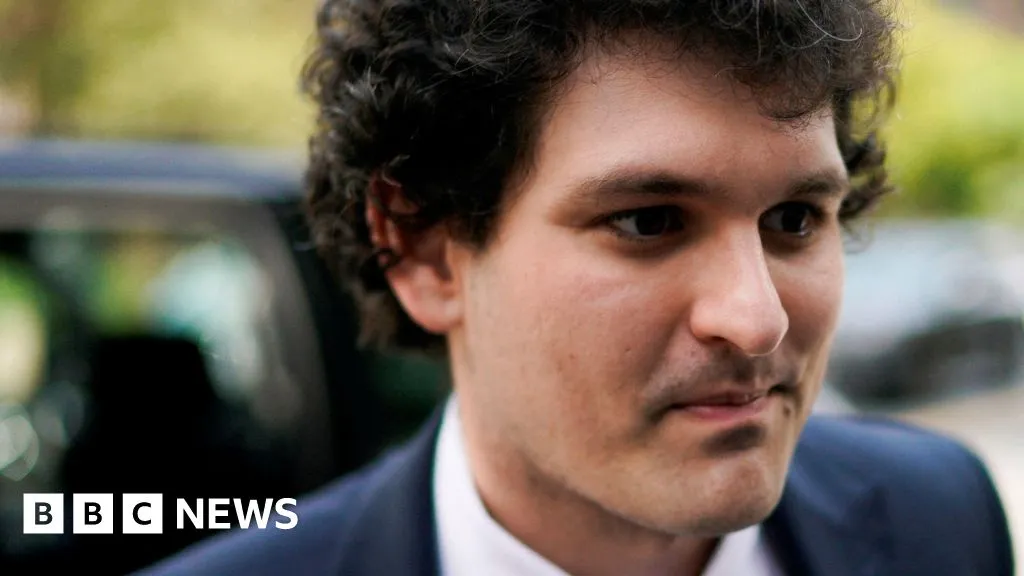
Sam Bankman-Fried, the former leader of crypto platform FTX, has officially applied to be pardoned while serving a 25-year prison sentence. For decision-makers, the move signals how the legal endgame can spill into regulatory, governance, and market planning long after a conviction.
Sam Bankman-Fried, the former leader of crypto platform FTX, has officially applied to be pardoned while serving a 25-year sentence, according to BBC News. The application came Monday, turning a criminal-justice timeline into a live political and compliance question for anyone watching how the crypto industry is regulated.
Why does a pardon application matter to executives who are not on trial? Because clemency is not just a personal procedural step. It is a reminder that outcomes in high-profile cases can reverberate across how boards assess regulatory risk, how companies communicate with regulators, and how markets price “headline” uncertainty. When a founder with a 25-year sentence publicly pursues a Trump pardon, it keeps the story from settling into the background, even after conviction.
To understand the stakes, zoom out to what FTX represented before it collapsed. FTX was one of the most visible crypto platforms, and its failure helped trigger a broader reassessment by regulators and lawmakers across jurisdictions. The industry has since been operating with more scrutiny: clearer expectations around controls, more focus on custody and customer funds, and greater willingness to treat certain activities as falling under established financial rules rather than a free-for-all.
That context matters because a pardon, if it were ever granted, would not rewrite the past events surrounding FTX in the way fantasy headlines sometimes imply. But it could reshape the way people talk about accountability and enforcement after the fact. Even without changing what happened, it can influence how institutions interpret regulatory toughness, and how they anticipate the risk curve for future enforcement. Boards and compliance teams do not plan around “what if a pardon happens.” They plan around uncertainty, and they plan around the possibility that regulatory attention can shift in intensity depending on political priorities.
There is also a governance angle. A founder-led crisis usually forces organizations to confront uncomfortable questions: what internal controls failed, what oversight was missing, and whether leadership cultivated the kind of culture where bad incentives could survive for too long. When the case involves the former leader of a major platform serving a 25-year sentence, the legal posture becomes part of the organization’s afterlife. That afterlife includes investor relations and risk reporting. It includes how new management teams draw boundaries between the remnants of the old brand and the compliance promises of the new era.
For decision-makers in crypto-adjacent businesses, this is the kind of event that can quietly move internal planning. You do not need to predict the political outcome to take action. You can, however, adjust how you model regulatory timelines and how you frame legal risk to the board. Even for firms that did not touch FTX-like structures, the industry’s credibility problem can carry over. When major figures pursue clemency, it keeps the legal narrative active. That narrative can become part of ongoing scrutiny, because regulators and counterparties often look for whether an individual’s actions signal ongoing disregard for rules, or a move toward resolution.
Second-order effects also show up in capital markets. Lenders, exchange partners, and institutional investors tend to treat legal uncertainty as a discount factor. A pardon application may not directly change enterprise fundamentals, but it can change sentiment around the enforcement climate and the “end states” for other cases. That is exactly the kind of uncertainty that boards should assume persists longer than the courtroom headlines.
In short: Sam Bankman-Fried filed an official application to be pardoned Monday while serving a 25-year sentence, and the ripple effects go beyond one person’s legal strategy. The moment keeps pressure on regulators, keeps alive public debate about enforcement and accountability, and keeps testing how quickly businesses can shift from crisis mode to durable compliance mode. If you are leading a company in this space, the takeaway is simple: even after a verdict, governance and regulatory planning are not done. They just change shape.
This story's Key Insights and Take-aways are locked.
Create a free account to unlock Executive Actions for one credit.
Register to UnlockAlways free for Executives Club members. Join the Club
More in Business

Anthropic’s Levant Alpöge cracks the Jacobian conjecture after 87 years
A Harvard valedictorian used Claude to hit a 1939 breakthrough, but the missing “why” is the real problem.

Uber buys Delivery Hero for nearly $15B, vaulting to top food delivery outside China
The deal doubles Uber's dual-services footprint and pushes a ride-and-eats bundling play into 50 more markets.

Epic and Google drop settlement bid, forcing rival Android app stores by July 22
Google told the court it is ready to carry third-party app stores starting Wednesday, July 22.