

Scientists generate red blood cell-like cells from canine iPSCs, aiming to fix donor shortages
A new lab approach could reduce reliance on compatible dog blood donations by making red blood cell-like cells from canine stem cells.

Researchers report generating red blood cell-like cells from canine induced pluripotent stem cells (iPSCs). If the science holds up, it could reshape veterinary transfusions by easing the compatibility bottleneck and cutting dependence on donor dogs.
Blood transfusions are a cornerstone of both human and veterinary medicine. But the two worlds do not have the same safety net. In human care, blood reserves still depend on steady donors, yet the system has mature pipelines and infrastructure. In veterinary medicine, blood bank systems are nearly nonexistent, which pushes many transfusions into a much more fragile reality: you need a healthy dog donor, and you need compatible blood.
That compatibility problem is not a minor annoyance. Dogs can have different blood types, so securing matching blood is a major challenge when you cannot simply pull from a stocked shelf. The work highlighted by Phys.org targets that exact pain point by generating red blood cell-like cells from canine induced pluripotent stem cells, or iPSCs. In other words, the approach tries to manufacture cells that behave like red blood cells, using a stem-cell starting point instead of relying entirely on donated blood.
Why iPSCs matter here is fairly intuitive, even if the biology is complex. Induced pluripotent stem cells are reprogrammed so they can become different cell types. If researchers can reliably coax canine iPSCs to produce red blood cell-like cells, then transfusion medicine in animals could shift from “hunt for the right donor dog” to “prepare transfusion-ready cells in advance.” The source does not claim commercial readiness or clinical deployment timelines, but the direction is clear: address both the supply constraint and the matching constraint that currently make veterinary transfusions dependent on donations from healthy dogs.
For executives, this is not just a scientific story. It is an operational one. In many industries, shortages are solvable with logistics and inventory. In veterinary transfusion, shortages are intertwined with compatibility, and compatibility is tied to biological classification. When you lack blood banks, every transfusion becomes an exception-handling exercise, and every exception costs time, coordination, and risk. The iPSC approach, if it continues to progress, could reduce the number of “exceptions” by turning compatibility into a controllable manufacturing variable rather than a last-minute matching problem.
There is also a regulatory and quality dimension. Red blood cell-like cells are not the same thing as whole blood, and even “like” implies the need to confirm functional equivalence: how the cells carry oxygen, how they persist, and how they behave after administration. While the Phys.org summary does not detail regulatory pathways, the broader reality is that any cell-based therapy intended for transfusion use would typically face rigorous scrutiny for safety, purity, potency, and consistency. For decision-makers, that means the real milestone is not just producing cells in a dish. It is proving reproducibility across batches, defining the acceptance criteria, and aligning with the standards that regulators expect for cell-based products.
Now add the strategic second-order effect: funding and collaboration incentives. Veterinary innovation often sits in the shadow of human medicine because the human market is larger and more standardized. But this kind of work can pull veterinary stakeholders into earlier-stage partnerships, because the need is acute and the bottleneck is specific. If blood bank systems are nearly nonexistent in veterinary care today, then even incremental progress can unlock new pathways: hospital-level protocols, regional preparedness programs, or the groundwork for future inventory models. Boards and investors watching translational cell therapy can also view this as a test case. Success would demonstrate that a manufacturing approach can address a classic donor-dependent constraint.
There is another practical implication for hospital administrators and care teams. When compatible blood is hard to secure, the care timeline can become part of the clinical decision. A manufacturing path that can produce red blood cell-like cells could shift transfusion planning from reactive to proactive. That is not just convenience. In medicine, moving a decision earlier often changes outcomes, especially when timing is critical.
Zooming out, the core issue remains the same one described in the Phys.org piece: transfusions are crucial, donors are required, and compatibility is the major challenge in dogs because blood types differ. The reported generation of red blood cell-like cells from canine iPSCs is aimed directly at that mismatch. If it can be translated into reliable, safe transfusion support, it could reduce the dependence on donations from healthy dogs and help fill the gap left by the absence of veterinary blood bank systems. For executives and stakeholders across biotech, animal health, and clinical operations, that is the strategic stake: turning a compatibility-and-supply problem into a production problem the industry can actually manage.
This story's Key Insights and Take-aways are locked.
Create a free account to unlock Executive Actions for one credit.
Register to UnlockAlways free for Executives Club members. Join the Club
More in Science
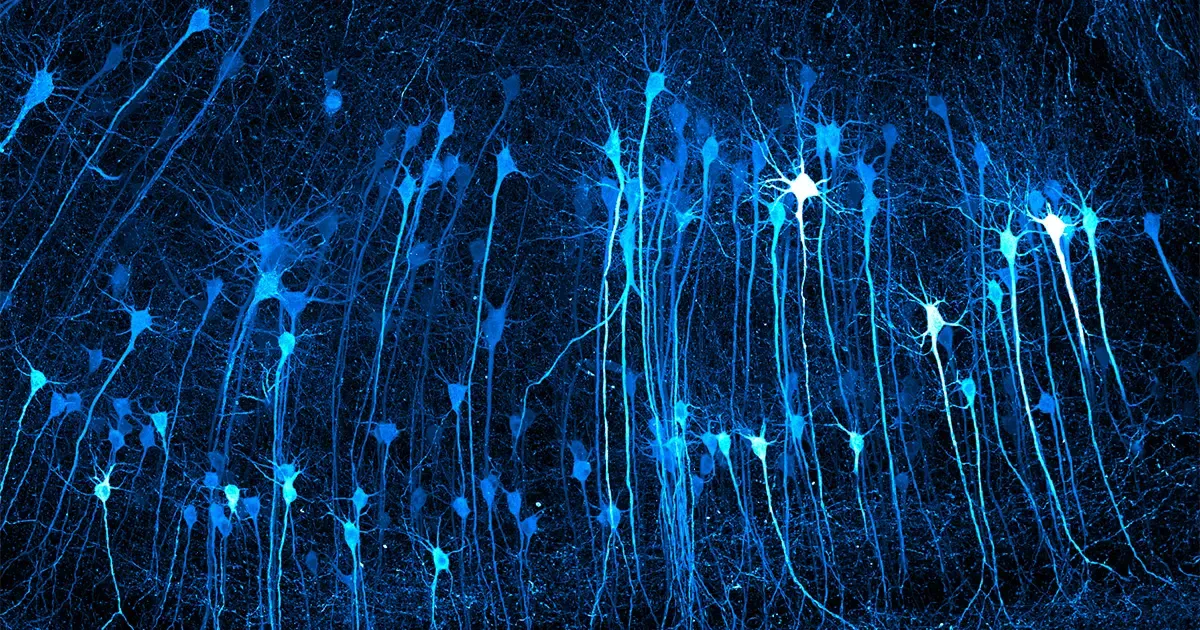
2026 Nikon Small World Winners Reveal the Hidden Machinery of Everyday Life
A mycologist's frozen Edinburgh garden became the backdrop for vivid views inside cells, a reminder of what advanced imaging now makes visible to researchers and the industries built on biology.

Study: 1 in 4 depression cases may be a body-clock problem, not a chemical one
A 10,000-person study finds standard antidepressants often fail these patients, but melatonin and morning sunlight may hit the real root cause.
Start-Up Says A.I. Designed a Virus to Attack One Patient's Superbug
If the claim holds up, personalized phage therapy could become a new frontline weapon against antibiotic resistance - but proof is far from final.