
Scottish marine scientists put the ocean on their board after rights of nature push
The Scottish Association for Marine Science appoints the ocean as a trustee, changing who gets a vote on research decisions.
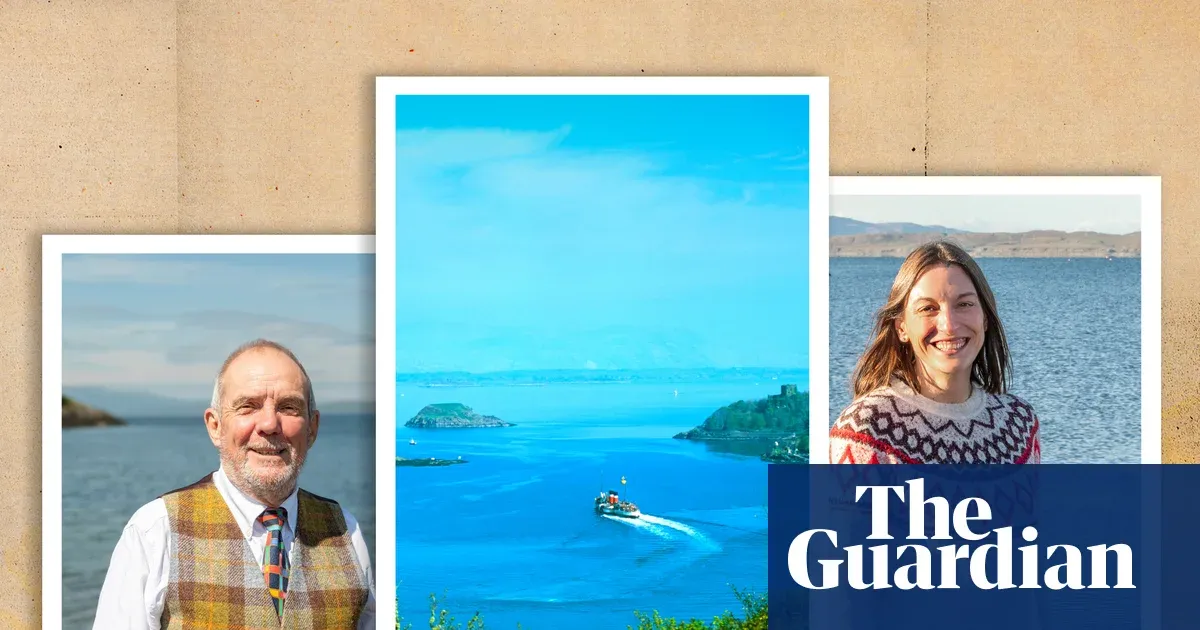
The Scottish Association for Marine Science (Sams) has appointed the ocean as a trustee through an initiative that began last month. For decision-makers, it is a live test of how “rights of nature” models can reshape governance in science and conservation institutions.
Since last month, the Scottish Association for Marine Science (Sams) has made the ocean a trustee. That means the “breaking waves of the Atlantic” that trustees in Oban have long been able to see through their windows are not just scenery anymore. They are part of the governance process, designed to ensure the ocean has a say in decisions shaping the future of the 140-year-old organisation.
This is not a symbolic gesture tucked into a mission statement. Sams is explicit about the boardroom mechanics: trustees attend meetings in an office building in Oban, and the initiative now ensures the ocean is present in the room, as an added voice in how choices get made. For anyone who sits on boards, runs research programmes, or funds environmental work, that is the key question: how do you operationalize “the environment should have standing” when the debate is about programs, priorities, and long-term commitments?
To understand why this matters, it helps to zoom out to the governance trend behind it. The “rights of nature” idea has been increasingly recognized, and Sams is described as the latest organisation to make nature a trustee. In practice, this concept borrows from familiar legal and governance thinking about fiduciary duties and representation. Instead of treating nature only as an object of study or a resource to manage, it becomes something that can be represented in decision-making structures.
But Sams also carries a historical contrast that sharpens the stakes. The organisation was set up during the Scottish Enlightenment, a period marked by growing interest in oceanography. That era is framed in the source as one where nature was often viewed as something to be dominated and exploited. So when a 140-year-old ocean-science institution now appoints the ocean to its board, it is a governance pivot that flips the old framing on its head. It is less “nature is the lab bench” and more “nature is a stakeholder with a voice.”
Now bring it back to what boards actually do. Board decisions in science organisations are rarely only about pure discovery. They often involve allocating budgets, setting research priorities, defining risk tolerances, choosing which partnerships to pursue, and deciding what outcomes count as success. Once the ocean is formally included as a trustee, it pressures the institution to confront tradeoffs directly. Even when regulators do not require it, boards still answer to missions, funders, and public legitimacy. The ocean being in the room changes the internal discipline of those debates. It signals that ecological impacts are not an afterthought, but part of the governance narrative.
There is also a regulatory and policy backdrop implied by the story’s framing. The source points to the wider “rights of nature” recognition trend. That matters because when legal concepts gain traction, they migrate from courtrooms into organisations: guidance, compliance expectations, and institutional risk management all tend to follow. A trustee model is one way organisations can treat those developments as governance design problems, not just external legal issues. The second-order effect is that other environmental-facing institutions may face a louder internal question: if Sams can appoint the ocean to its board, why can’t we adjust our own governance to reflect the ecosystems we study and depend on?
Finally, consider the incentive structure. Trustees and executives are used to balancing competing claims: scientific curiosity versus public accountability, short-term funding cycles versus long-term research horizons, and institutional autonomy versus external scrutiny. A trustee who represents the ocean forces a different kind of prioritization, one that can make it harder to justify decisions that create ecological harm or externalize environmental costs. The story does not claim specific legal outcomes from the initiative, but it is clear about the mechanism: Sams has added an additional voice to the decision room starting last month. That alone changes how disagreements might be framed, documented, and resolved.
For peers in similar roles, the strategic stake is credibility and governance readiness. If rights of nature continue to be recognized, the organisations that treat it as a governance model early will likely face less friction later. Sams is giving the ocean a say in board-level decisions, and that is a preview of where institutional governance may be heading: from studying environmental impacts to structurally representing them in how decisions get made.
This story's Key Insights and Take-aways are locked.
Create a free account to unlock Executive Actions for one credit.
Register to UnlockAlways free for Executives Club members. Join the Club
More in Science
2026 Nikon Small World Winners Reveal the Hidden Machinery of Everyday Life
A mycologist's frozen Edinburgh garden became the backdrop for vivid views inside cells, a reminder of what advanced imaging now makes visible to researchers and the industries built on biology.

Study: 1 in 4 depression cases may be a body-clock problem, not a chemical one
A 10,000-person study finds standard antidepressants often fail these patients, but melatonin and morning sunlight may hit the real root cause.

Start-Up Says A.I. Designed a Virus to Attack One Patient's Superbug
If the claim holds up, personalized phage therapy could become a new frontline weapon against antibiotic resistance - but proof is far from final.