

Senate Dems Force Post-Midterm Vote to Block U.S.-Saudi Nuclear Deal
A procedural move sets up a high-stakes congressional showdown over civilian nuclear cooperation with Riyadh, but GOP control makes the block a long shot.
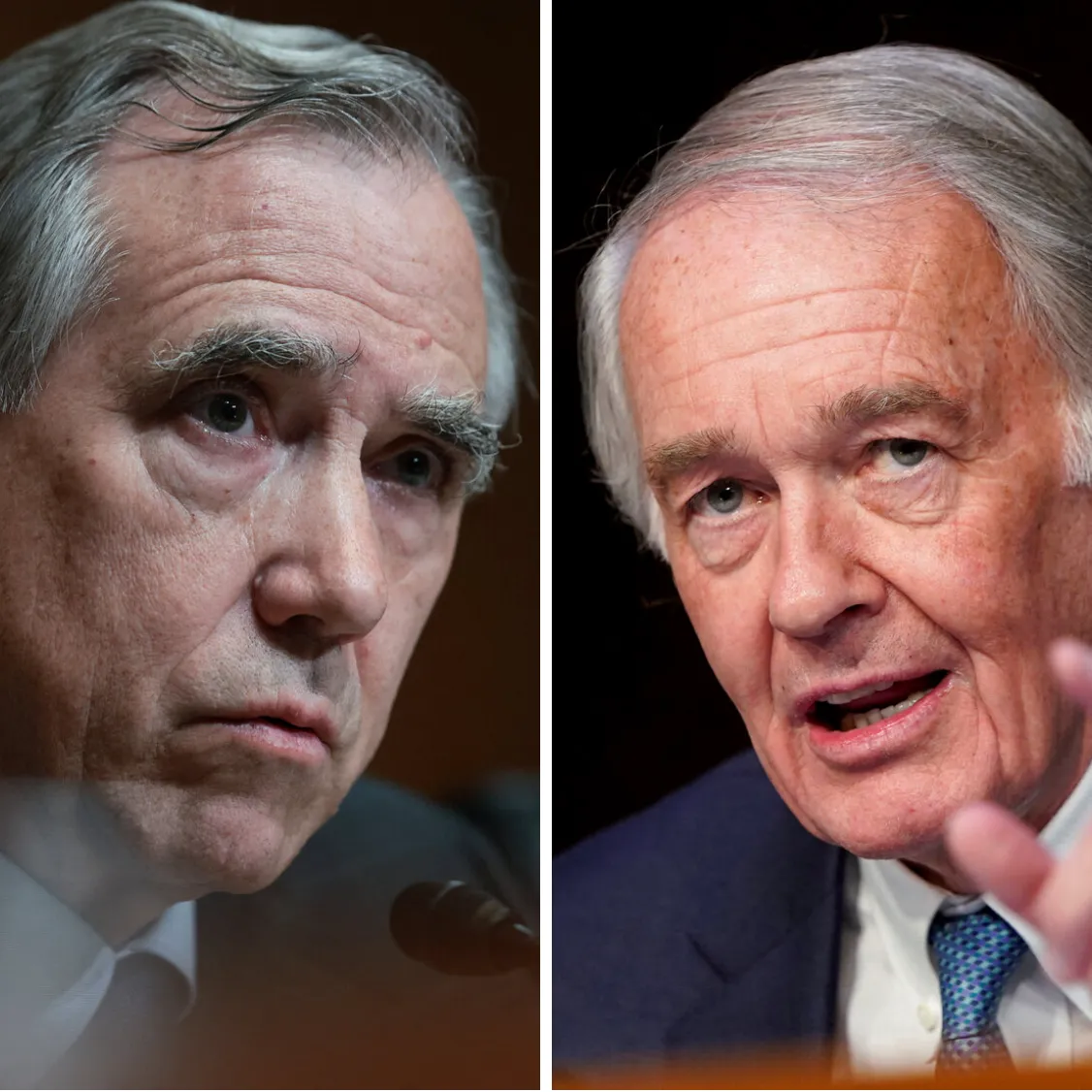
Democratic senators are forcing a Senate vote on the U.S.-Saudi nuclear deal after the midterm elections, a procedural move to block the agreement. The effort faces steep odds in the Republican-controlled Congress, but bipartisan concern signals the deal is far from a sure thing.
Democratic senators have moved to block the U.S.-Saudi nuclear deal, forcing a Senate vote on the agreement after the midterm elections. The procedural maneuver is a direct challenge to the civilian nuclear cooperation pact, but it faces steep odds in a Republican-controlled Congress where the deal has drawn bipartisan concern. The vote, which will come after November's midterms, is the latest flashpoint in a long-running debate over U.S. civilian nuclear exports.
Under the Atomic Energy Act, so-called Section 123 agreements require congressional review, and lawmakers can pass a joint resolution of disapproval to block them. That is the tool Democratic senators are now deploying, setting up a rare floor vote on a nuclear pact. The deal itself would govern U.S. cooperation with Saudi Arabia on civilian nuclear technology, a sensitive area given the kingdom's strategic position and its history of tensions with Iran. Critics have raised concerns about proliferation risks, particularly if Riyadh insists on the right to enrich uranium domestically. That issue has fueled bipartisan unease, even among lawmakers who generally support closer ties with the Gulf state.
The timing is notable. By forcing the vote after the midterms, the senators are betting that the political landscape may shift, or at least that the issue will get more scrutiny when the campaign season is over. But the Republican-controlled Congress, which has often backed arms and energy deals with Saudi Arabia, remains a high hurdle. The move is more about sending a message than winning a vote, though the bipartisan concern suggests the message is landing.
For the Biden administration, the vote is an unwelcome complication. The nuclear deal is part of a broader effort to reset relations with Saudi Arabia, which have been strained over oil production, human rights, and the war in Yemen. A congressional defeat would not necessarily kill the agreement, but it would be a significant political setback and could embolden other critics. The administration has argued that the deal would strengthen nonproliferation standards, but opponents are not convinced.
The stakes extend beyond Washington. Saudi Arabia has ambitious plans to diversify its economy and develop nuclear power for domestic use, and it has courted multiple suppliers, including the United States, China, and Russia. A blocked U.S. deal could push Riyadh toward other partners, potentially weakening U.S. influence over the kingdom's nuclear program. That is a risk that even some Republican lawmakers may weigh as they consider the vote.
For executives in the nuclear energy and infrastructure sectors, the vote is a reminder that geopolitical deals can be derailed by domestic politics. Companies with exposure to Saudi projects or U.S. nuclear exports should monitor the outcome closely, as a rejection could reshape the competitive landscape. The vote also underscores the importance of congressional engagement in trade and security agreements, a factor that often gets overlooked in boardroom planning.
Ultimately, the move is a test of congressional oversight over nuclear diplomacy. Even if the resolution fails, the vote will put every lawmaker on record on a deal that touches on nonproliferation, Middle East policy, and energy security. For a Congress that rarely debates nuclear agreements, that alone is a significant outcome. The coming weeks will show whether the senators' gambit shifts the conversation or simply becomes another footnote in the long, tangled history of U.S.-Saudi relations.
This story's Key Insights and Take-aways are locked.
Create a free account to unlock Executive Actions for one credit.
Register to UnlockAlways free for Executives Club members. Join the Club
More in Politics
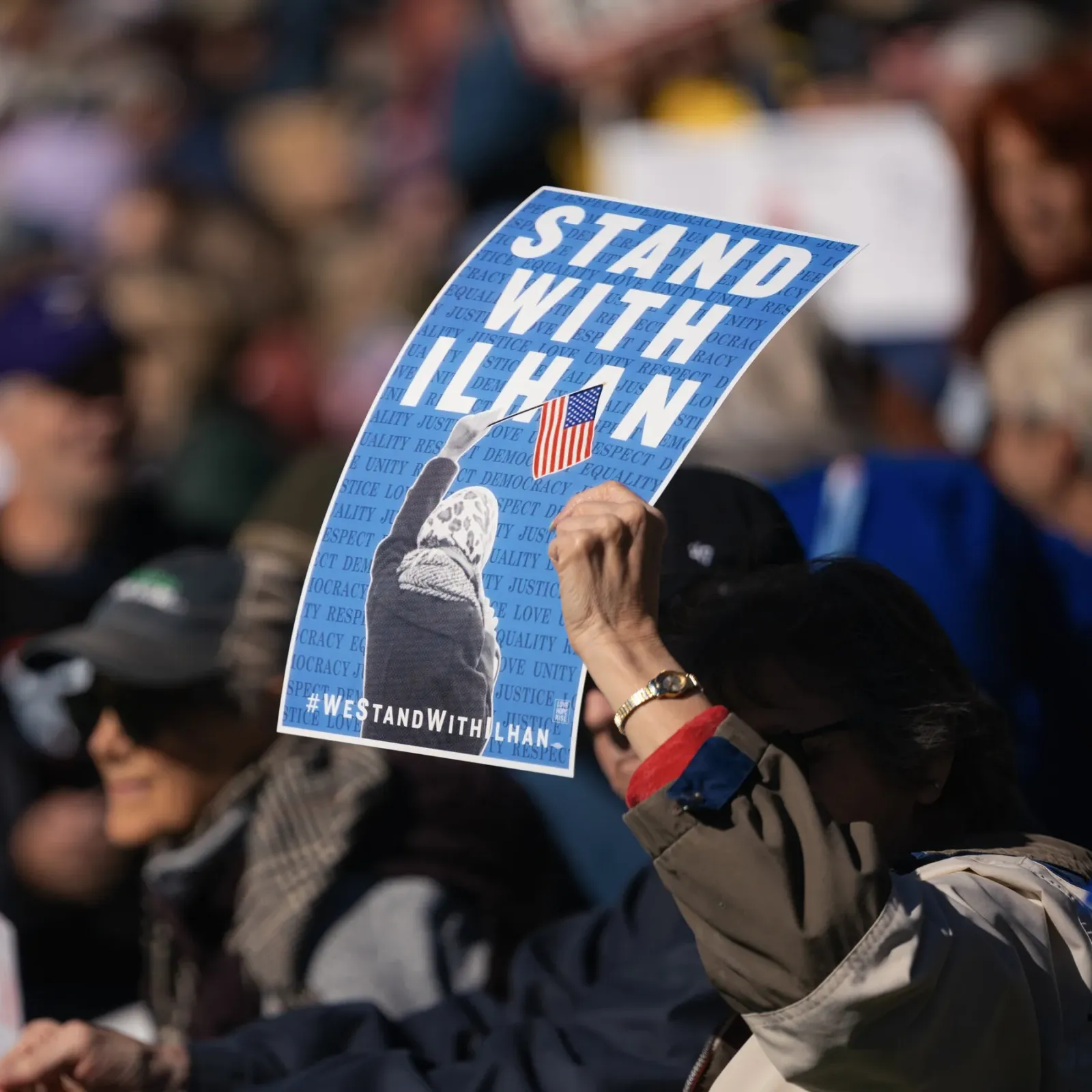
Obama Defends Ilhan Omar After Agents Search Her Home in Trump Inquiry
The former president's intervention raises the stakes in a federal probe into immigration paperwork that has put a prominent progressive lawmaker in the crosshairs.

Blair-era minister: cut welfare to fund youth job support
Alan Milburn's call for welfare cuts to fund employment support opens a Labour fight over benefits and the Neet crisis.
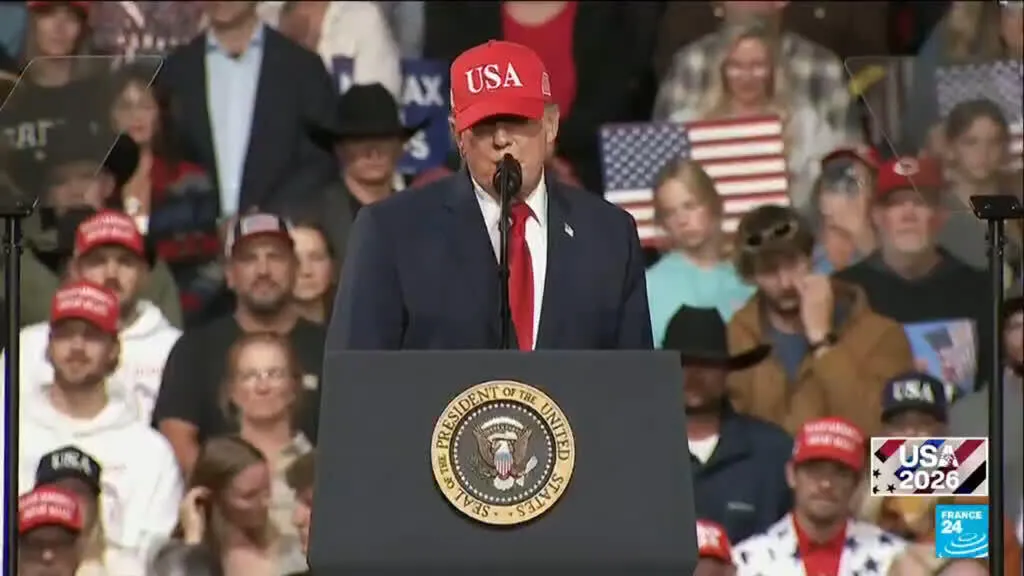
Hot September CPI: energy costs surge, voters feel the squeeze before midterms
The latest inflation print lands as Trump campaigns for GOP control of Congress, putting cost-of-living worries at the center of the midterm fight.