

Sergey Brin's microkitchen war room is now Google's AI nerve center
Inside the tent-like building where Google's cofounder and a handpicked strike team are racing to make Gemini 4 a blockbuster.
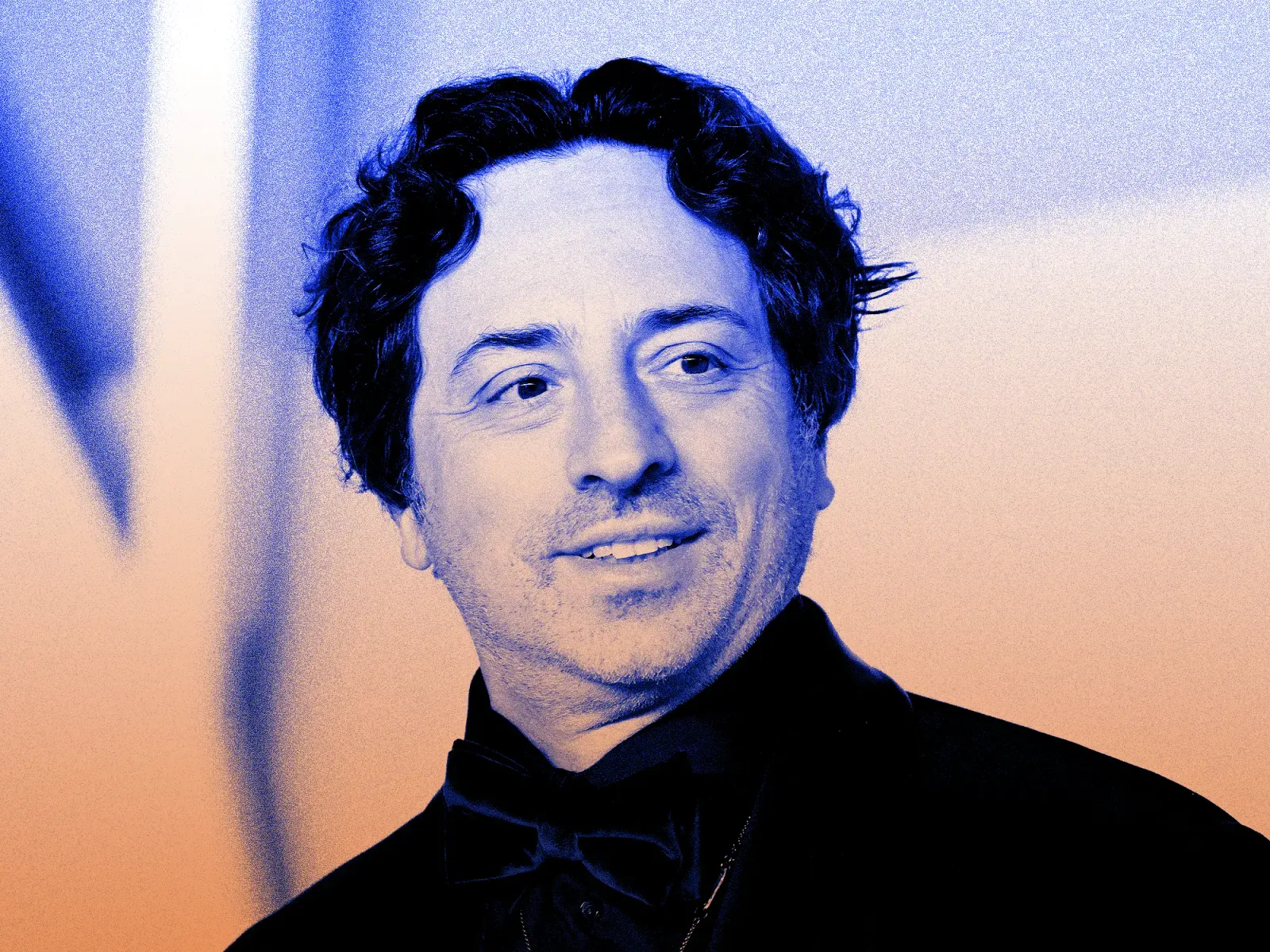
Sergey Brin, Google's cofounder, has turned a microkitchen in Mountain View into a de facto war room for Gemini, gaining influence after an August AI leadership reshuffle. For decision-makers, the takeaway is that Google's most consequential AI calls are now being made outside its formal hierarchy, by a founder who can cut through bureaucracy and command resources.
Google's AI comeback is being cooked up in a California microkitchen. On the second floor of Gradient Canopy, a tent-like structure east of Google's Mountain View headquarters, sits a U-shaped formation of desks where cofounder Sergey Brin and a handful of mission-critical leaders are steering Gemini through an AI race the company can't afford to lose. CEO Sundar Pichai visits the break-turned-war-room several times a week, employees wander in hoping to overhear gossip, and there are whispers that cofounder Larry Page has been spotted there. The unlikely nerve center has gained more influence since Google shook up its AI leadership in August, when DeepMind CEO Demis Hassabis relinquished his title to become Alphabet's chief scientist, Koray Kavukcuoglu was appointed SVP of Google DeepMind, and longtime chief scientist Jeff Dean left after 27 years. Brin's role in the new power structure went unmentioned, but eight current and former employees told Business Insider that the man who launched Google from a garage nearly three decades ago has become increasingly influential over Gemini, in part thanks to his unique ability to pull resources and cut through the tech giant's bureaucracy. Some inside Google see that as necessary after the 2023 merger of the company's two central AI labs led to friction over Gemini's direction that slowed progress and prompted departures. Some Mountain View leaders became frustrated with Hassabis and other London researchers, believing they weren't pragmatic enough about making Gemini more competitive, two people familiar with the matter said. The microkitchen has acted as something of a startup inside the larger company, allowing Brin, Kavukcuoglu, and other leaders to make decisions faster. "The promise of the kitchen is that it can help you cut through the politics," said one former employee familiar with the setup. Those decisions are more crucial than ever: Google has fallen behind the frontier, putting more pressure on its next model, Gemini 4, to be a blockbuster event. The company has lost top talent in recent months, including star computer scientists John Jumper and Noam Shazeer. Against this backdrop, Brin has urged employees to double their efforts on Gemini. "Demis is obviously very talented, but he's moving farther away, not closer, to the operational part. This glimmer of hope is this notion that Sergey will get more involved," said Gil Luria, head of technology research at D.A. Davidson. "They need a big change that will cut through that bureaucracy." Google declined to comment and declined to make Brin and other leaders available for interviews. Brin's position is highly unusual. He no longer holds an executive title at Google, yet he and Page have decisive influence over the board through a special controlling stock. After stepping back from running Alphabet in 2019, Brin spent time building airships, partying at Burning Man, and writing about physics. When ChatGPT launched in late 2022 and Google was suddenly playing catch-up, Brin said the temptation to return to the trenches was too much. "As a computer scientist I've never seen anything as exciting as all of the AI progress that's happened in the last few years," he said at the All-In Summit in Los Angeles in 2024. Brin's unique perch makes him a powerful ally for any Googler seeking support. Getting access to Google's chips, even for the Gemini team, can be difficult. The official route is to submit a formal document and get buy-in from higher-ups. Another route is to strike a deal with a different team to use their chips in exchange for, say, building Gemini features for their products. The other, less official route is to go to Brin. "Koray has more explicit power in the hierarchy, but Sergey is the founder of Google," said a former senior employee. "He's able to cut through bureaucracy and clear red tape in a way no one else can." People who have worked at Google DeepMind said Kavukcuoglu and Brin have a good rapport, and that when Brin wants something done, he often does it through Kavukcuoglu. However, Brin usually gets his way, three people said. Over the past two years, the microkitchen's gravitational pull has grown stronger. Kavukcuoglu moved from London to Mountain View last year and now sits close to Brin. Sebastian Borgeaud, a research engineer, also moved across the Atlantic and was appointed to lead work on improving Gemini's coding abilities. A huddle of desks was set up for the coding strike team inside the microkitchen, close to Brin and Kavukcuoglu. "Sergey wants to run Gemini like a startup," said a former employee with direct knowledge of the arrangement. "If you want to be part of the startup, you have to be in the microkitchen." Emanuel Taropa, a Google fellow and legendary name in AI research, often sits in the kitchen, as does Enrique Piqueras, a senior research engineer on Gemini described as an especially close ally of Brin's. Another oft-spotted face is Rahul Arya, a physics Olympiad who has played a central role in improving Google's AI chips. Insiders say Google has made a concerted effort not to publicize some of its most important stars for fear of them being poached. Brin has largely involved himself in the technical aspects of Gemini, weighing in on model sizes, release windows, and paths to artificial general intelligence. He also got involved in internal disagreements last year over how Gemini should be integrated into Google products. One idea Brin pushed earlier this year was to use software to monitor some Google employees as they coded, believing it could be a useful reinforcement learning technique to improve Gemini's coding abilities. At times, Brin has made calls that frustrated staff. In 2025, Dean was leading efforts to build a chip that would embed a version of the Gemini model architecture directly onto the silicon, a project internally codenamed Frozen. The project was unpopular among some Gemini leaders, and Brin made the call to cut it, a decision that frustrated Dean, who told some colleagues he was considering leaving. The project was later revived as Frozen v2, though some of its resources were stripped away earlier this year. Dean left Google in August to launch his own startup and declined to comment. For executives watching from outside, the lesson is that when a company falls behind in a platform shift, formal org charts often aren't the fastest path to a fix. Google's answer has been to compress decision-making into a physical space where a founder with board-level control can overrule process, redirect chip access, and personally set the pace on Gemini 4. That may be exactly what a bureaucracy-heavy giant needs to stay competitive, but it also concentrates enormous power in one person who holds no official title. The strategic stakes for peers in similar roles: if your organization is losing the AI race, the fix may not be a new strategy document, it may be a founder who is willing to sit in a kitchen and make the calls that no one else can.
This story's Key Insights and Take-aways are locked.
Create a free account to unlock Executive Actions for one credit.
Register to UnlockAlways free for Executives Club members. Join the Club
More in Business

Amazon Prime Air 767 overshoots Miami runway, killing at least 5
The Boeing 767 freighter from San Juan struck vehicles and erupted in flames, prompting a ground stop and a fresh NTSB investigation into Amazon's air cargo network.

Death sentence for TV presenter Sarah Khalifa: Egypt's drug case hits media
The sentencing of Sarah Khalifa and 11 others underscores the severity of Egypt's anti-drug laws and the exposure of public figures to capital punishment.
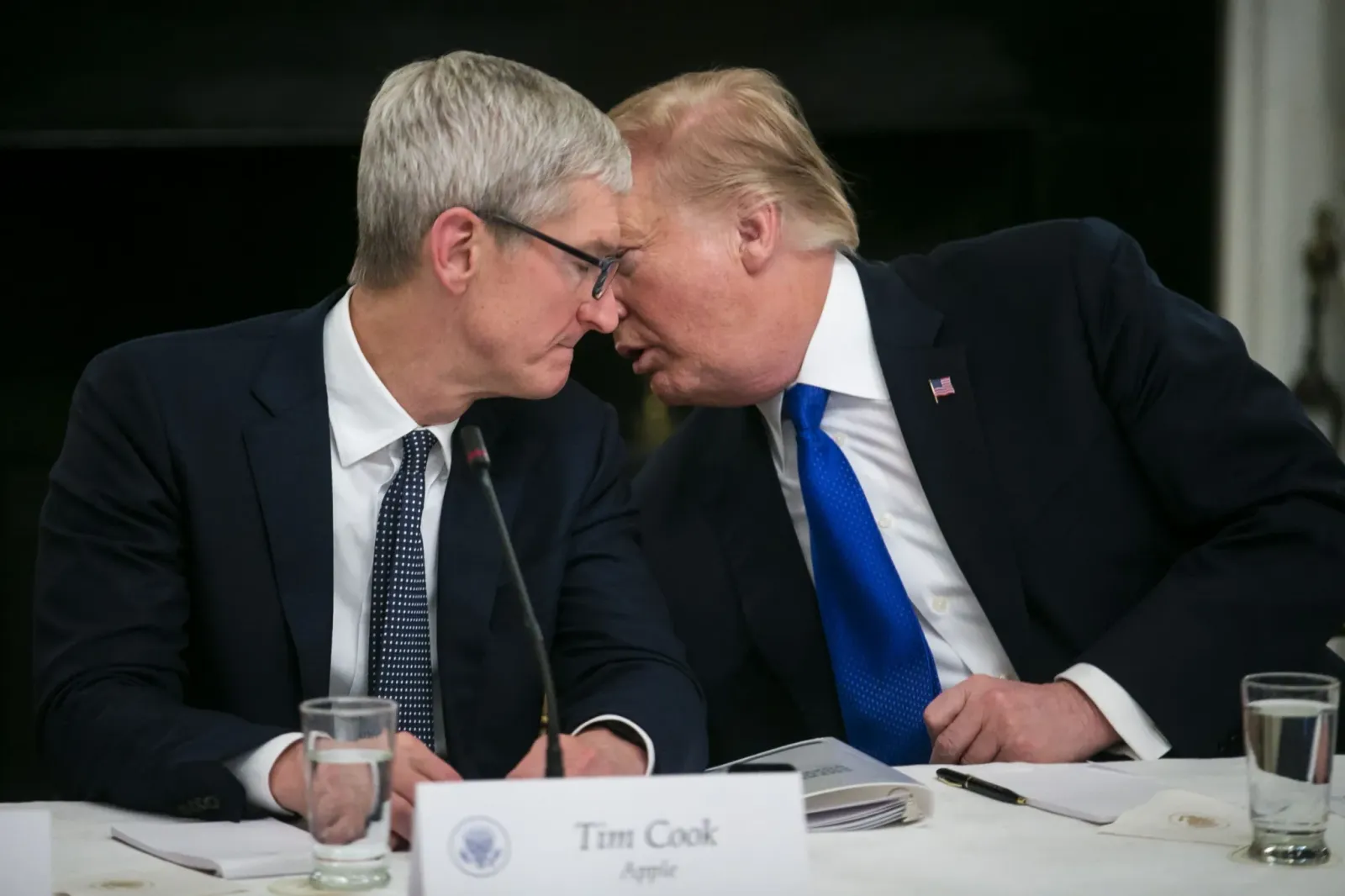
Tim Cook steps down as Apple CEO, stays on as chair with $45M equity
The 'Trump whisperer' keeps his White House and Beijing access as Apple navigates tariffs and a $4.6 trillion market cap.