
Seth Rogen says he has “no plans” to work with James Franco again
The actor-turned-producer shuts down a potential reunion, reshaping how Hollywood reads comeback narratives.

Seth Rogen said he has “no plans” to work with James Franco again and that he has not spoken to Franco “in a long time.” The consequence for decision-makers is a clearer signal on how reputational risk and collaboration choices are playing out.
Seth Rogen does not see an onscreen reunion with James Franco in his future. In remarks highlighted by Deadline, Rogen said he has not spoken to Franco “in a long time” and maintains “no plans” to work with the actor again, adding that “nothing has changed.”
That matters because Rogen and Franco were frequent collaborators, and a public “no plans” from Rogen is basically Hollywood’s version of shutting a door. It also lands while Franco is mounting an onscreen comeback after he was accused of sexual misconduct. Even for people who do not follow every entertainment headline, the subtext is obvious: in today’s media ecosystem, public reputation can shape casting, financing, and distribution decisions long after the initial allegations.
Rogen’s comments are also a reminder of how quickly “comeback” narratives can fracture the industry. In plain terms, entertainment is a team sport. One high-profile name coming back to work does not just affect that performer. It forces collaborators, producers, platforms, and brands to decide whether the work is worth the optics, the scrutiny, and the operational churn that comes with controversy. When a well-known partner says “nothing has changed,” it tells you that at least one major node in the network is staying on the sidelines.
From a business perspective, this is the reputational risk math that executives are increasingly stuck doing. Studios and streamers often sell stories, but they also sell comfort. Audiences, advertisers, and partners do not always separate the art from the controversy, especially when allegations are in the background of a public figure’s return. Even when legal outcomes are not the same thing as public belief, the market reaction can be similar: some partners move toward caution, others move toward silence, and only some move toward confrontation.
There is also a governance layer here, even if it is not regulated like a bank or a pharmaceutical company. Media companies may face pressure from internal policies, union and workplace standards, and brand guidelines. They may also face external scrutiny from regulators and watchdogs depending on jurisdiction and the nature of the conduct being discussed. While the source does not cite any specific regulator, the broader point is that reputational risk is now treated like an operational risk. Boards and executives cannot pretend it is purely “PR.”
Second-order effects show up in deals. Financing and distribution are often structured around who wants to be attached to the project. A headline like Rogen’s can change the comfort level of other creatives and business partners who were watching to see whether a major producer would re-engage. Sometimes, a single statement reduces negotiation uncertainty for everyone else. Other times, it hardens boundaries: “If Rogen is out, maybe we should be too,” even if the project itself is not directly tied to him.
For peers, the strategic stake is simple and uncomfortable. The industry is always looking for ways to lower risk while still making money, and controversy forces a trade-off. Projects can either lean into “fresh start” narratives or prioritize continuity with partners who are already aligned with current sensitivities. Rogen’s “no plans” is an alignment signal, and in Hollywood, alignment can be the difference between getting traction early versus spending months trying to rebuild trust after the headlines.
If you are an executive deciding how much to bet on a comeback, this is the kind of data point you cannot ignore. Rogen explicitly tied his stance to his lack of contact and his continuing intent not to work with Franco. That suggests the decision is not a temporary pause. It is a durable boundary from a collaborator with enough influence to be felt across casting rooms and production calendars.
And for anyone building partnerships in entertainment, the underlying lesson is that reputational distance matters. Whether you think a comeback should happen or not, collaboration is a network decision. Rogen’s statement makes the network clearer: at least one major collaborator is not walking back onto that set.
This story's Key Insights and Take-aways are locked.
Create a free account to unlock Executive Actions for one credit.
Register to UnlockAlways free for Executives Club members. Join the Club
More in Entertainment

Olivia Rodrigo’s third album blasts past Spotify’s all-female first-day streaming record
Billions Club era hits a new peak: Spotify and Amazon cite top single-day and 24-hour global debuts after June 12.
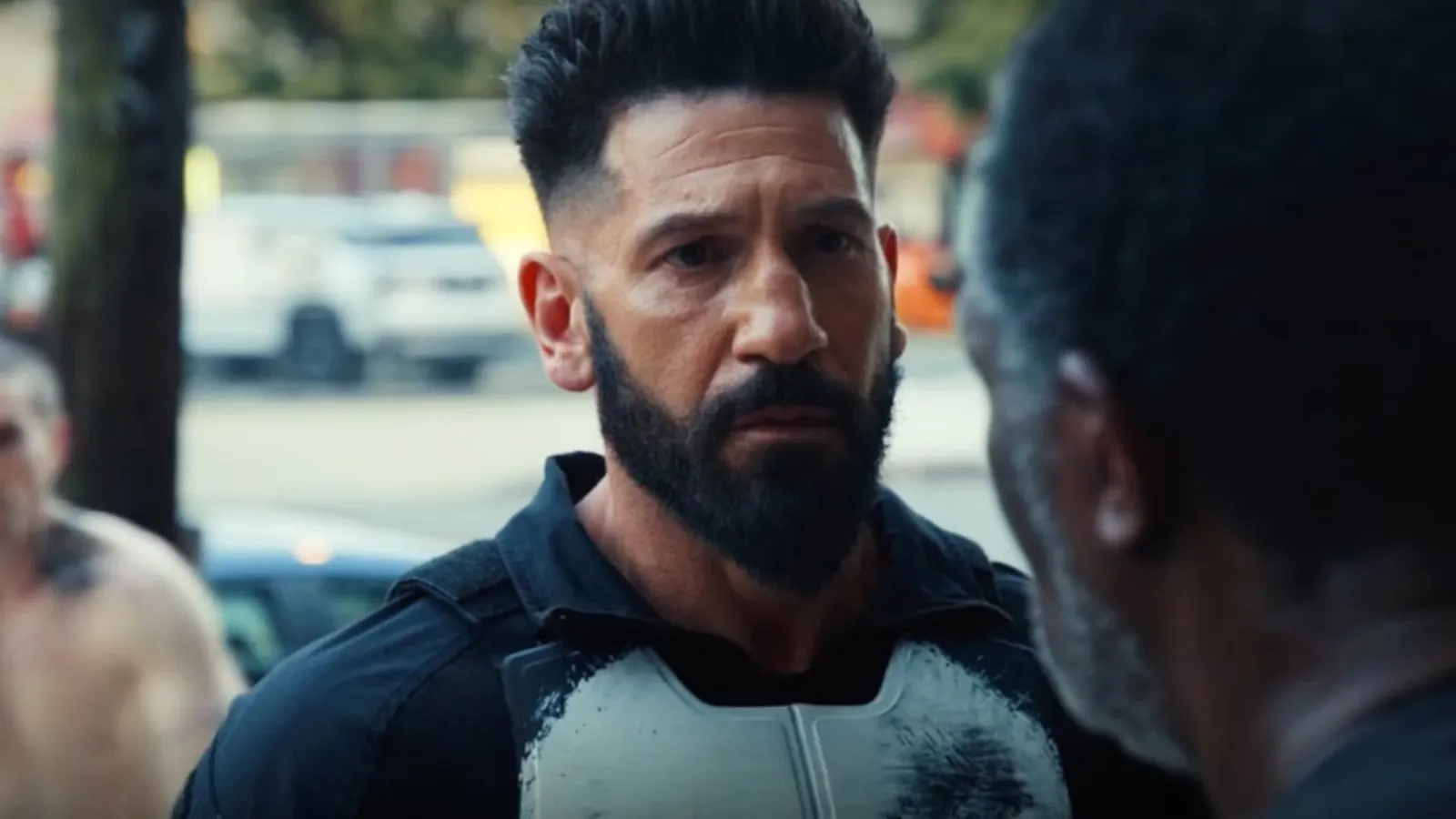
Marvel clarifies MCU Special Presentations after Bernthal's Punisher returns in 2026
The studio addressed what happens to future MCU Special Presentations following Jon Bernthal's Punisher: One Last Kill.

Tyra Banks sues Netflix: 3.5-hour interview cut to 16 minutes for a “defamatory narrative”
The Top Model host alleges Netflix distorted her interview in a docuseries. Here is what the filing claims and why it matters.