
SpaceX’s Nasdaq debut instantly makes it a $2 trillion-scale market cap contender
A historic IPO leapvaults SpaceX into U.S. mega-cap territory, despite tiny revenue scale versus tech giants.

SpaceX debuted on Nasdaq on Friday in what CNBC describes as a historic IPO. Its market value quickly vaulted it to the sixth most-valuable U.S. company, highlighting how investors are pricing future business potential over current revenue.
SpaceX’s Nasdaq debut on Friday did not just add a new name to the ticker. It instantly re-ordered the U.S. market cap map, according to CNBC, pushing SpaceX into the sixth most-valuable U.S. company position. The wild part is not the rank by itself. It is the math behind it.
CNBC notes that SpaceX is “a fraction the size by revenue of tech’s megacaps.” In other words, the company’s valuation climbed into the same league as firms whose current sales base dwarfs SpaceX’s. This is the investor incentive in plain English: the market is paying up today for the possibility of tomorrow, and it is doing so with extreme confidence. For executives and board members, that is not a vibe. It changes how capital is allocated, how competitors are valued, and how expectations get set once a company becomes a public benchmark.
To understand why this matters, you have to zoom out to how IPOs work and what they signal. When a private company goes public, it converts a story into a priced instrument. Until now, SpaceX’s future was mostly negotiated behind closed doors, through financing rounds, regulatory milestones, and long-term contracts. After the IPO, those expectations are instantly visible in the trading tape. That visibility is a forcing function. It pressures management to align strategy with what the market is rewarding, because valuation can become both a resource and a constraint.
Regulatory framing is part of the background noise that turns into real outcomes at IPO time. Nasdaq listing brings heightened disclosure requirements and ongoing scrutiny. That does not mean the business suddenly becomes different. It means the information ecosystem changes. Investors can compare, model, and reprice more frequently, and analysts can pressure for clearer indicators of progress. For SpaceX specifically, the core commercial challenge has often been that space and launch are capital intensive, with outcomes that can take time to mature into revenue. Once public, the market will still wait for time, but it will not wait forever without evidence.
Now connect the dots to the competitive and board-level implications. If SpaceX is priced like a mega-cap despite being smaller by revenue, peers will face a tricky question: what exactly are investors buying. Are they underwriting manufacturing scale, launch cadence, satellite services, or the broader ecosystem? Or are they rewarding the credibility of execution and the durability of demand that is not yet fully reflected in current income? The answer is likely a mix. But even if executives do not know the exact weighting, they know the direction: narratives that map to large, compounding markets can win in valuation even before revenue catches up.
That leads to a second-order effect: the valuation benchmark becomes harder to escape. Once a company is among the top U.S. firms by market value, it can set the reference point for fundraising terms, employee compensation expectations, and partner leverage. It also changes how investors evaluate “risk vs. reward” across the sector. If markets can assign mega-cap scale to a company with smaller current revenues, other high-growth businesses in adjacent areas may get a clearer path to premium valuations, but they may also attract higher scrutiny about milestones.
For decision-makers at other companies considering liquidity events, the takeaway is that the market can do more than reward growth. It can reward future scale in a single trading session. The CNBC note that SpaceX is sixth most-valuable in the U.S. after debut on Friday is the headline. The deeper message for executives is what happens after the headline: once you cross into public mega-cap territory, expectations accelerate, capital becomes more reactive, and boards have less room to rely on long timelines without measurable progress.
SpaceX’s IPO is historic not just because it listed on Nasdaq. It is historic because the market translated ambition into a valuation position normally reserved for companies with much larger revenue. That is the kind of pricing signal that spreads quickly through investor models, board decks, and peer comparisons. And for anyone running a company in a capital-heavy industry, it raises the stakes on execution, disclosure, and how quickly strategy needs to show up in numbers.
This story's Key Insights and Take-aways are locked.
Create a free account to unlock Executive Actions for one credit.
Register to UnlockAlways free for Executives Club members. Join the Club
More in Business

Mena construction CPMI slips 12% in April 2026, but execution momentum rebounds to 1.01
GlobalData’s April CPMI shows resilience masking pre-execution caution, with conflict risk surfacing unevenly by country and sector.

De Beers backs GIA’s 30% Tracr stake to fight lab-grown diamonds
A new traceability system aims to lock down provenance as lab-grown pricing pressure reshapes natural diamond demand.
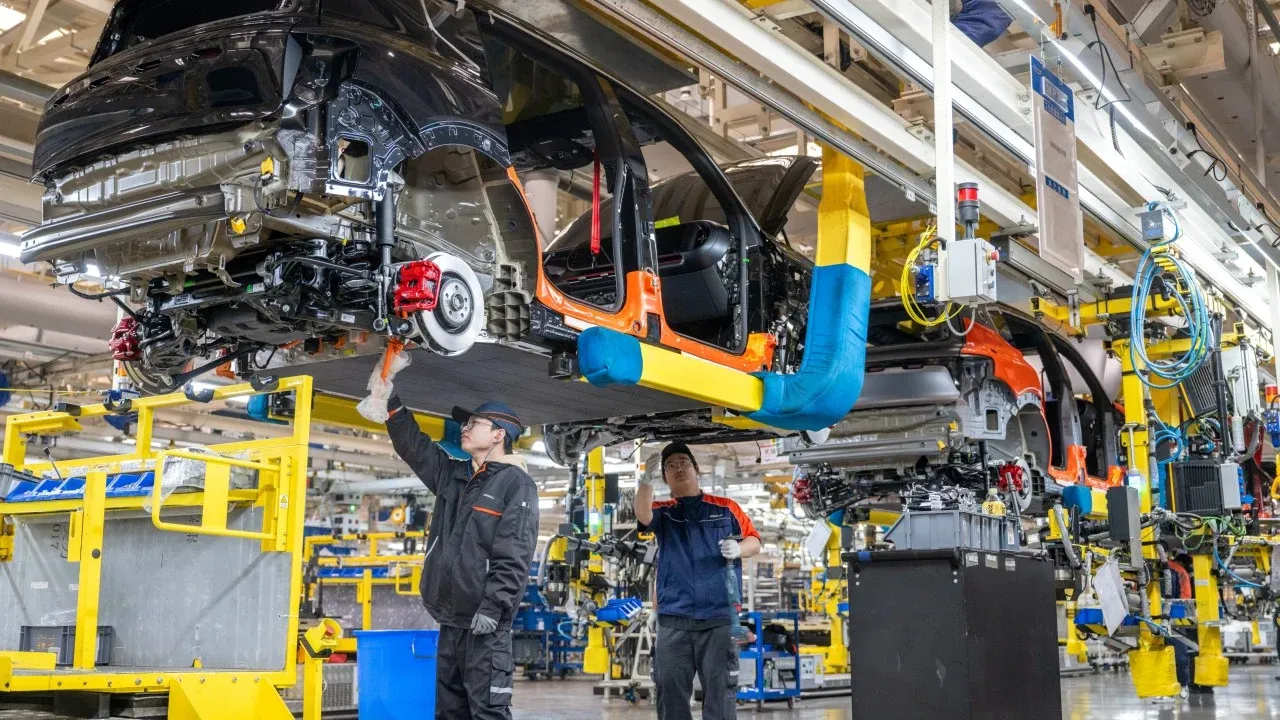
Li Shufu orders Geely to purge excess capacity after BYD battle at Chongqing Auto Show
Geely’s chairman says the company will assess oversupply and decide which capacity to close, suspend, merge, or sell.