
Shania Twain, 60, says menopause ended her mirror-avoidance during Las Vegas
Her 2019 injury and “malnourished” push to be thinner became the turning point.

Shania Twain, 60, told The Times that menopause helped her stop fixating on her appearance after her 2019 Las Vegas residency and a thigh injury. The lesson she draws, about what you cannot control, has broader relevance for how public figures and decision-makers think about health, risk, and resilience.
Shania Twain is 60, and she’s blunt about the moment her relationship with her body changed. In an interview with The Times published on Saturday, the singer said menopause helped her stop fixating on her appearance, including a period during her 2019 Las Vegas residency when she avoided mirrors because she hated what was changing.
That avoidance came with a physical price tag. Twain described tearing two thigh muscles and being carried off stage after she became “malnourished” in an effort to “be thinner.” She tied the shift directly to menopause, saying, “In menopause you lose control of your body,” which meant she could not simply “lose five pounds” the way she expected. In other words: her insecurity was running a body-management plan that stopped working when her physiology changed.
If you zoom out from the personal story, what Twain is describing is a very human version of a business reality: when the underlying system changes, old levers stop pulling. She said she responded to her insecurity with intense workouts and diet changes, including cutting out fats and sugars. “I was doing very unhealthy things,” she said, adding that she was “working my body more than I was feeding it, to keep up with the strain.” For an executive audience, the uncomfortable parallel is the same one you see in strategy. If the inputs are wrong, effort can accelerate damage instead of progress.
Twain also described the behavioral spiral. Before going on stage, she said she was not able to look at her own reflection. “I stopped looking at myself in the mirror. I hated my body. I’m, like, ‘Oh, I cannot stand this changing body.’ But that was so unhealthy. Who cannot look at themselves in the mirror?” she told The Times. Then, after her injury worsened and recovery dragged on, she said she began rethinking her relationship with health, pivoting hard toward self-acceptance: “Now I’m, like, bring on the mirrors, I’m going to look at myself all day long!”
Her conclusion is where the story lands. Twain said, “Menopause has been very good for me because I’ve learnt that some things you cannot control.” That line matters because it is not framed as “fix your mindset so everything works out.” It’s framed as a control audit. If menopause reduces predictability over weight and bodily cues, then trying to force the same outcomes through the same routines becomes riskier. Twain’s language suggests she learned to separate what she can manage from what she cannot, and then stop spending energy like it is still under her command.
This theme is also showing up in other celebrity stories that Business Insider had reported. Other Hollywood stars have shared experiences with menopause, and the contrast is interesting for any board-level or operator-level reader. In July, Katherine Heigl told Business Insider that navigating perimenopause while parenting teenagers gave her unexpected common ground with her kids, saying, “Their hormones are all over the place… and I am too.” In January, Gabrielle Union said menopause initially made her feel like her “value as a woman” was “diminishing,” and later reframed it as a transition that “challenges you to look at life differently - and not as an ending, but as a beginning.”
Why does this matter beyond celebrity wellness narratives? Because menopause is not a niche topic anymore, and large institutions are slowly catching up. The workplace, athletics, healthcare, and entertainment industries all rely on physical performance and tightly managed schedules. When physiological change affects energy, body composition, and stress tolerance, the incentives do not always adjust at the same pace. People can end up under pressure to “just push harder,” which is the exact kind of mismatch Twain described: she tried to manage menopause with the old playbook and ended up injuring herself. For leaders, that is a governance question, not just a personal one. How do you build environments where health changes are treated as legitimate constraints, not as personal failure?
There is also a communications angle. Twain’s comments, reported in detail by The Times, emphasize clarity about what went wrong: she stopped looking at mirrors because she hated her changing body; she took “very unhealthy things” to try to control outcomes; she tore muscles and was carried off stage. That level of specificity is rare, and it makes her lesson more actionable for decision-makers who talk about wellness but avoid uncomfortable metrics. In many organizations, “wellness” is still mostly generic messaging. Twain’s story shows how wellness discussions become real when you connect insecurity, behavior, and injury risk to a specific timeline, like her 2019 Las Vegas residency.
Finally, the strategic stake for peers is the same one executives face in any changing system: you either update your model or you keep measuring success with outdated assumptions. Twain said menopause taught her to quickly say, in a separate quote Business Insider previously published via The New York Post in 2023, that it “may only get worse” and to “love yourself now” because “fear is standing in your way.” Whether you interpret it as mental resilience or risk reduction, it boils down to a control shift. In organizations, the equivalent is adjusting policies, expectations, and support structures when biology and capacity change. Twain’s story is personal, but the management lesson is universal: stop forcing an old lever to produce a new outcome, especially when the body is already sending signals the plan is harming it.
This story's Key Insights and Take-aways are locked.
Create a free account to unlock Executive Actions for one credit.
Register to UnlockAlways free for Executives Club members. Join the Club
More in Entertainment
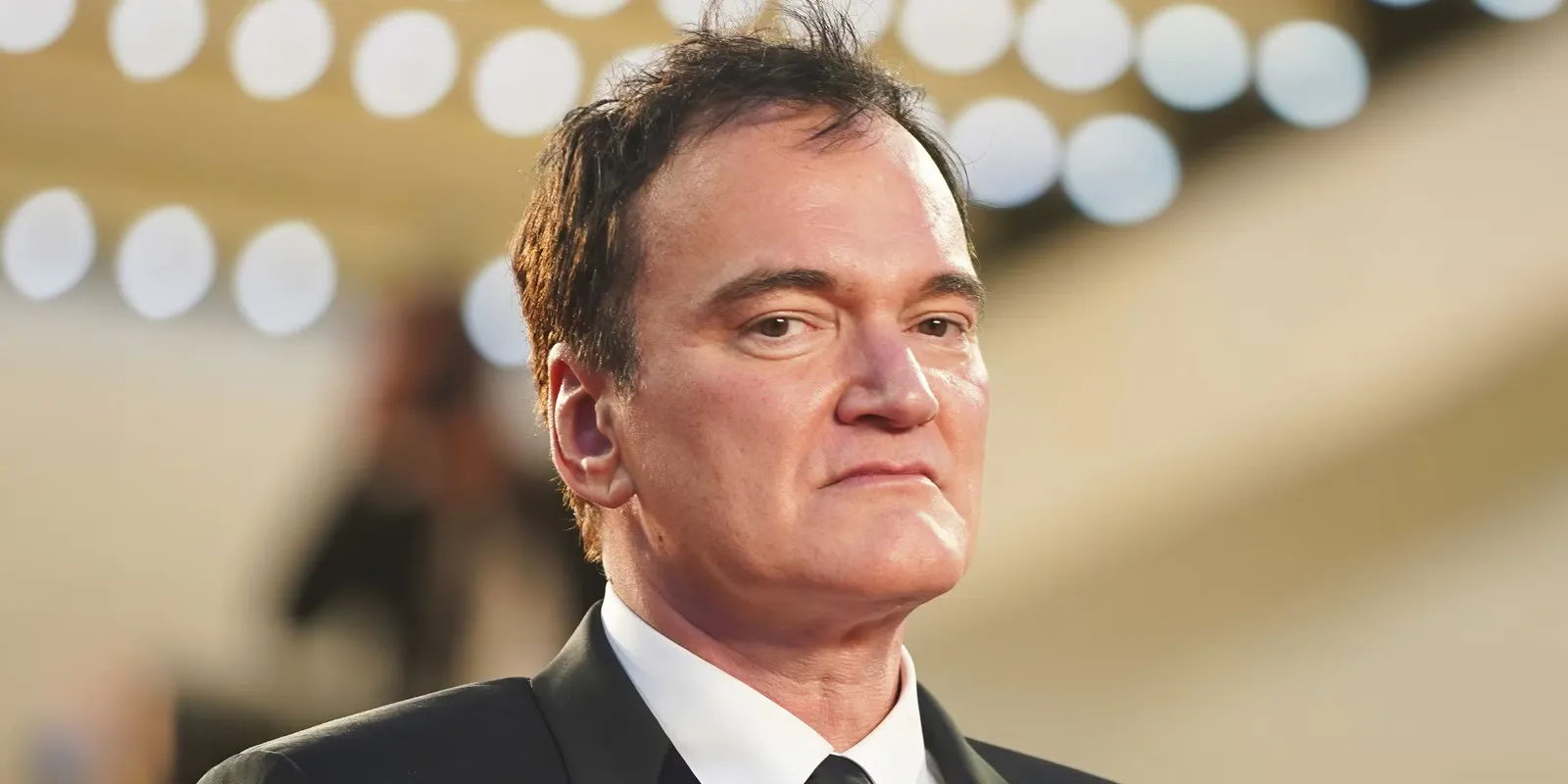
Netflix puts Tarantino’s first film in 7 years into theaters via IMAX dates
Quentin Tarantino’s script and Brad Pitt’s The Adventures of Cliff Booth get official theater and IMAX timing.

Ernest Dickerson will direct “Black Diamond” folk horror feature for Fangoria and Panick
A comic-to-film deal puts a proven genre director on the hook, reshaping how this brand gets made and financed.

Millicent Simmonds co-writes and stars in crime thriller Grace, Inevitable Studios' first film
A Quiet Place and Pretty Lethal breakout actress teams with Inevitable Foundation to launch Inevitable Studios and its first feature.