

Shein prices IPO at up to $27B, a fraction of its former valuation
The fast-fashion giant's long-awaited listing lands at a steep discount to its private-market heyday, resetting expectations for investors and rivals.
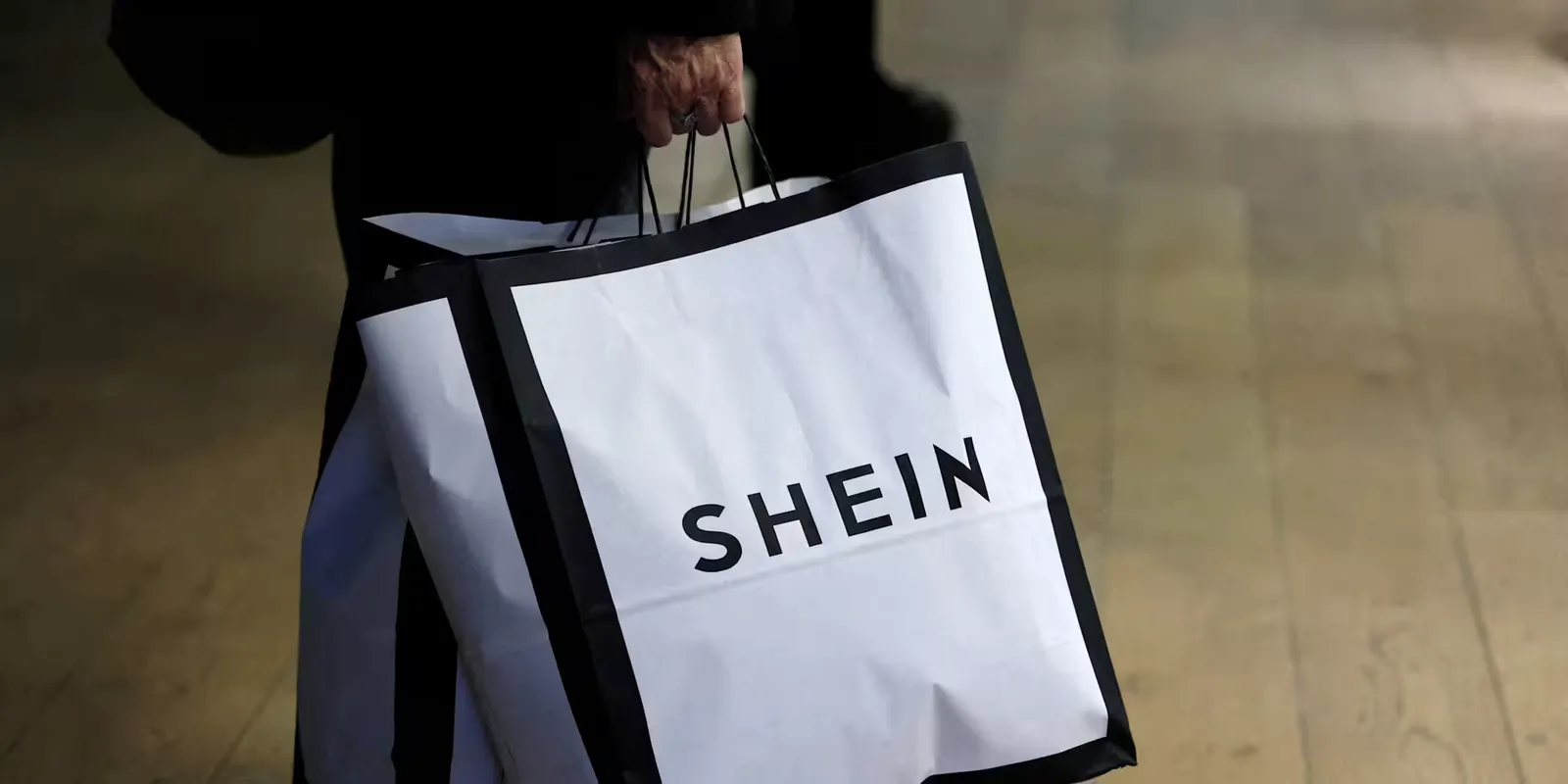
Shein has launched its IPO at a valuation of up to $27 billion, far below its past private-market figure. The markdown signals a cooler reception for high-growth consumer IPOs and forces investors to recalibrate exit expectations.
Shein's long-awaited IPO is finally here, and the price tag is a gut punch: up to $27 billion. That is the valuation the fast-fashion giant is seeking in its public debut, according to Nikkei Asia, and it sits far below the figure the company once commanded in private markets. For a business that became shorthand for ultra-cheap, viral fashion and supply-chain wizardry, the markdown is a stark admission of how much the investment climate has shifted.
The gap between the old private valuation and the new IPO target is not just a number. It reflects a brutal reassessment of Shein's growth prospects, regulatory headwinds, and the broader appetite for consumer tech listings. Investors who piled in at peak valuations are now staring at paper losses, while new buyers are being offered a chance to own a piece of the company at a fraction of the price insiders once paid. The IPO price, if it holds, will set the official market value for a company that has been one of the most closely watched private businesses in the world.
Shein's path to the public markets has been anything but smooth. The company has faced mounting scrutiny over labor practices in its supply chain, questions about its data handling, and a wave of trade policy changes that targeted the duty-free loophole for low-cost packages entering the US. Regulators in multiple jurisdictions have also examined its corporate structure, which is headquartered in Singapore but deeply tied to Chinese manufacturing. Those issues have made the IPO a test case for how investors weigh growth against governance risk.
The valuation reset also fits a broader pattern. After a pandemic-era boom that sent e-commerce and fast-fashion stocks to dizzying heights, the market has cooled sharply. Rising interest rates made future earnings less valuable, and investors began demanding profitability over growth at any cost. Shein, which has built its model on ultra-low prices and rapid trend turnover, now has to convince public shareholders that its supply chain can withstand tariff changes, consumer boycotts, and intensifying competition from rivals like Temu and Zara. The $27 billion figure suggests that convincing them will not be easy.
For founders and CFOs watching from the sidelines, Shein's IPO is a cautionary tale about timing and expectations. The company could have gone public years ago at a higher valuation, but it chose to wait, and the market moved against it. The lesson is not that private valuations are meaningless, but that they are snapshots of a moment, not promises. When the window opens, taking it matters more than holding out for a bigger number. Shein's decision to launch now, at a discount, may be the smartest move available, but it is still a painful one for early backers.
The listing also resets the benchmark for other consumer internet companies waiting in the wings. If Shein, with its scale and brand recognition, can only command $27 billion, then smaller players with thinner margins and less global reach will face even tougher questions from investors. Boards should be asking themselves whether their own valuation expectations are grounded in today's market reality or in a memory of 2021. The era of growth at any cost is over, and the new era demands a clear line to profitability and a credible answer on regulatory risk.
For now, the market will watch how Shein's shares trade once they hit the exchange. A strong debut could restore some confidence in consumer IPOs; a weak one would reinforce the pessimism. Either way, the $27 billion figure is now the anchor for every conversation about Shein's future, and a reminder that in public markets, the price is the truth. The question is whether investors believe the truth is worth paying for.
This story's Key Insights and Take-aways are locked.
Create a free account to unlock Executive Actions for one credit.
Register to UnlockAlways free for Executives Club members. Join the Club
More in Business

Elon Musk unveils a flying car, and SpaceX helped build it
The Tesla CEO's showcase at a SpaceX facility signals a future where road and rocket engineering converge.

Apple's $2,000 iPhone Duo opens preorders, taking on Samsung and Google
Apple's first foldable hits the market at a premium price, reshaping a category Samsung and Google have led.

Pope Leo XIV, first American pope, diagnosed with lung cancer
The 71-year-old Chicago-born pontiff underwent successful surgery on his right lung, and his diagnosis raises new questions about his AI-focused papacy and the Vatican's future.