

Snap ships £1,995 smart glasses this autumn, aiming to outrun its previous AR flops
The parent of Snapchat is finally readying high-priced augmented reality glasses, and executives should read this as a reset.

Snap, the parent company of Snapchat, has unveiled augmented reality smart glasses priced at £1,995. Decision-makers should treat the upcoming autumn shipment timeline as a real test of whether Snap can convert AR ambition into hardware momentum after earlier misses.
Snap has unveiled its augmented reality smart glasses at a price of £1,995, and the company expects them to ship in autumn. That might sound like a niche detail, but it is actually a high-stakes bet dressed up as consumer tech: when a company has already posted “previous flops,” every next hardware attempt becomes an audit of its credibility.
This is the second-order story behind the headline price tag. At £1,995, Snap is not trying to win casual users with novelty. It is positioning its AR glasses as a serious, premium product, which means the near-term definition of “success” is not mass adoption. It is whether the company can move from demos and prototypes to something that looks and feels operational, shipped, and supportable. And shipping in autumn matters because it turns a long-running “someday” category into a calendar-based accountability cycle.
To understand why this launch window is consequential, zoom out to how augmented reality hardware typically gets judged. AR is not like an app where updates can fix everything in weeks. Glasses are physical devices with manufacturing constraints, supply chain realities, and user-experience expectations that are harder to iterate quickly. That is why investors and boards watch the move from unveiling to shipment. “Unveiled” is a marketing milestone. “Expected to ship in autumn” is where engineering discipline, operational readiness, and financial runway all collide.
Snap is also operating inside a regulatory landscape that tends to tighten whenever a consumer device can capture, analyze, or share data in public settings. Even without any specific regulatory action tied to this announcement in the source, it is still relevant context for executives: AR glasses are inherently more sensitive than many other consumer gadgets because they can change what users see, record, or perceive while moving through the world. In practice, that means companies often have to anticipate scrutiny around privacy, consent, and data handling, especially in jurisdictions with strong consumer-protection frameworks. For decision-makers, this is less about today’s headlines and more about whether product teams build compliance into the design rather than bolt it on later.
Then there is the market dynamic: AR hardware repeatedly runs into the “willingness to pay” problem. Premium pricing can validate that the company believes the experience is differentiated, but it also shrinks the initial audience. If the product launches at £1,995, Snap is likely aiming for early adopters: people who are willing to pay for cutting-edge interfaces and who tolerate the limitations that come with still-maturing technology. The autumn shipment expectation implies Snap believes it is ready for that kind of first-wave reality. Executives should pay attention to how that tradeoff affects partnerships, developer engagement, and customer support load once units are in the wild.
Executives at adjacent companies should also read this as a governance and strategic reset. “Previous flops” is in the original framing, and when a company is revisiting a bet after stumbles, the boardroom tends to demand clearer milestones: shipping dates, product quality gates, and measurable engagement outcomes. A hardware launch can quickly become a proxy for broader corporate execution. If Snap can deliver on the autumn expectation, it strengthens confidence in the organization’s ability to execute beyond software storytelling. If it slips, it can harden skepticism into something more expensive: delayed partnerships, more cautious capital, and internal pressure that changes product decisions.
Finally, the strategic stakes for peers are straightforward. AR remains a frontier category where the winners are usually not the ones with the flashiest concept, but the ones who reliably ship, learn fast, and avoid turning consumer hardware into an endless lab experiment. Snap’s £1,995 smart glasses and the plan to ship in autumn signal that it intends to move from intention to execution. For decision-makers watching closely, this announcement is a reminder that in hardware, timing is strategy, and premium pricing is a commitment to deliver value on day one, not just someday.
This story's Key Insights and Take-aways are locked.
Create a free account to unlock Executive Actions for one credit.
Register to UnlockAlways free for Executives Club members. Join the Club
More in Technology

Nvidia's $89B data center quarter: the 9 companies cashing in
The AI buildout is minting fortunes beyond GPUs, and memory, cloud, and cooling suppliers are riding the same wave.
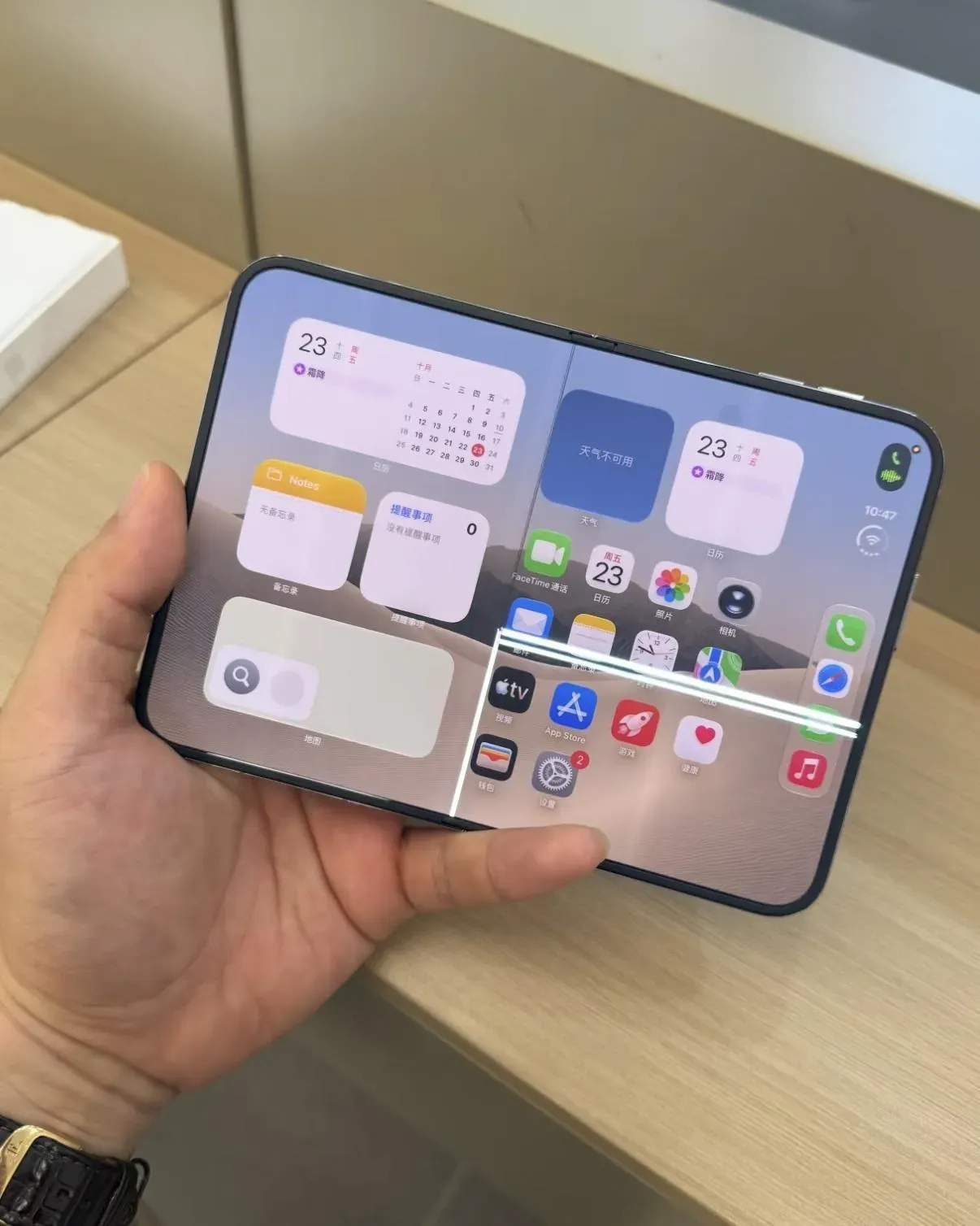
A YouTuber dissected the iPhone Duo and thinks he found crackgate's cause
CuriousHagi's teardown of Apple's foldable reveals a gear-like hinge that may explain why screens crack in the same spot within hours.

Google quietly links your phone number to every Android account on your SIM
Adding a SIM now ties your phone number to all Google accounts - and future accounts inherit it. Here's the security and privacy stakes.