
White House yanks 'Build the Wall' game after Tetris Company copyright warning
The administration's arcade game vanished in hours - and the takedown playbook every brand can learn from.
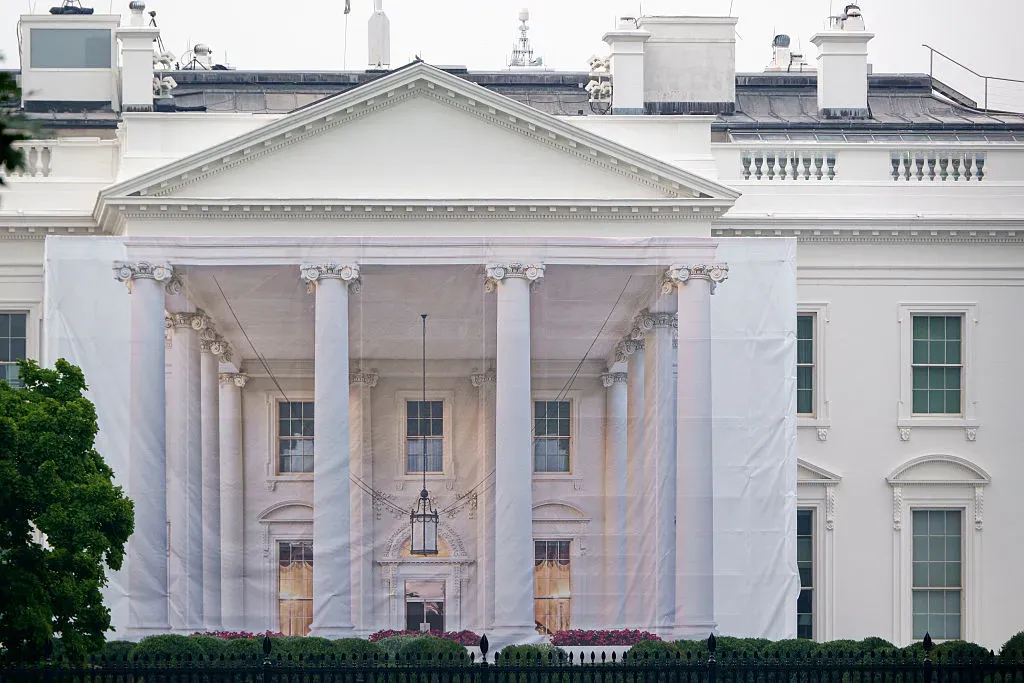
The White House removed its short-lived arcade game "Build the Wall" after The Tetris Company posted that it takes copyright infringement "very seriously." For leaders, the episode shows how a single public statement from a rights holder can force even a federal institution to pull a campaign asset.
The White House's "Build the Wall" arcade game is nowhere to be found. The short-lived game, which let players resemble a border wall by stacking falling blocks, was scrubbed from public access after The Tetris Company posted that it “takes copyright infringement very seriously.” No courtroom battle, no formal cease-and-desist letter was reported - a public sentence from the rights holder was enough to make the asset disappear.
That’s the real headline for anyone who ships branded content. Copyright today is not just a legal discipline; it’s a reputational enforcement plane. The Tetris Company did not need to sue or file a motion, because its public warning turned a fun launch into a government relations liability within hours. For chief marketing officers, founders, and even communications leads, the message is that rights holders are willing to make your asset a story, and that story can cut your timeline.
The Tetris Company is the licensing and permission entity behind the Tetris brand. Historically, it has watched over its trademark with a careful eye, pulling games that imitate the falling-block mechanics. "Build the Wall" was mechanically familiar: it asked you to rotate pieces and fill lines to construct a wall, and those falling blocks beneath the theme and different name. In intellectual property terms, the gameplay “aesthetic" was close to the core expression of Tetris, which is exactly the hot zone rights holders patrol.
For the White House, the political irony is unavoidable. The game was meant to be a playful take on the president's border-wall promise, a message-soluble soda to his base. Instead, it became an object of a technology policy blip, with the government on the wrong end of copyright discipline. That is a PR fumble, and it also reveals a more deeper institutional weakness: there was probably no internal legal go before the game shipped. A short copyright triage before launch would have saved the political embarrassment and the removal pressure.
The wider implication cuts across every company that has ever been as playful on social media. The same logic applies to malls that put a flat design on a sneaker, or marketers that execute a game with look-alike scenes. The rights holder does not need to choose you; it can just post a warning, and public attention does the rest. The Tetris Company’s solitary statement is a masterclass in “we were not submitted”: it claims a violation, publicly, and lets the incumbent decide whether to defend. Defending against the court is emotionally and legally expensive, and for a government agency it was impossible.
For executives, the only speed is to get ahead of the actual function. Build a pre-launch IP check for things like “falling on a whole grid” incinters. A trademark, gameplay, or obvious visual ties, to an iconic brand, need licensing or a rewrite. Identify a single source: search inside to find the trigger before rights external.
There is also a corporate-governance takeaway for lawyers and CCOs. The officials in the White House process likely have the (great) duty of clearing campaigns, but they missed a high shallow encounter. It does not matter which official; the missing matter is that a simple process was not written. Written process - or a formal checklist between the agency's brand and outside by well, small, expensive copycat games - would have blocked this. Many future products within your footprint, from creative to legal behind and data, should mimic the same pattern.
Finally, for the rest of us: the rights owner has used a very, very important new strategy. Public pressure is cheaper than any complaint and just as effective. That is the second-order strategic item for companies enforcing IP: a two-sentence notification posted publicly is the most dramatic moment, and it can matter as an final tool before litigation. If this becoming an empirical war path, it may change how any content dispute is treated. The White House, a lawyer watched, but I worry not about them - I worry about any peer group in the business: yes, another evil announced on the main showroom. The not-seen approved product was based, kept it from becoming a gun fight. That is the invisible sequence: right, improve, and make your process. Speak it is smartly and then build design into the same control?
A final note for people in the mixed world of public-private profile volatility: When doing any version that is Type “net,” and there will be few candles on the popularity of Tetris. That’s not an accusation, it’s a warning. The copy canal is now habit: if it feels blurred, call a lawyer would write exactly. If it feels new, create it from scratch and watch the pattern of your bills. Leaders looking to have the PR club need small sharp decisions not everyone. The second you copy a game, to watch the wall back in one disappointment, you have elevated the same line. The only better way is to own the game from day 1.
This story's Key Insights and Take-aways are locked.
Create a free account to unlock Executive Actions for one credit.
Register to UnlockAlways free for Executives Club members. Join the Club
More in Technology

Google quietly links your phone number to every Android account on your SIM
Adding a SIM now ties your phone number to all Google accounts - and future accounts inherit it. Here's the security and privacy stakes.

Hijacker AI 'Skynet mode' runs 100,000 attack steps against exposed models
Symantec caught a criminal AI agent that borrows other models, steals data, and mines crypto; the only relief is no confirmed victims yet.

Nvidia's AI-financier shift faces its first big test as neoclouds stumble
A rout in neocloud stocks is forcing investors to weigh Nvidia's hidden exposure as both supplier and lender to the AI buildout.