
Soccer regulator's chair vows to quit if politics touches Man City case
The Independent Football Regulator's chair draws a red line as Manchester City face sanctions from fines to expulsion.
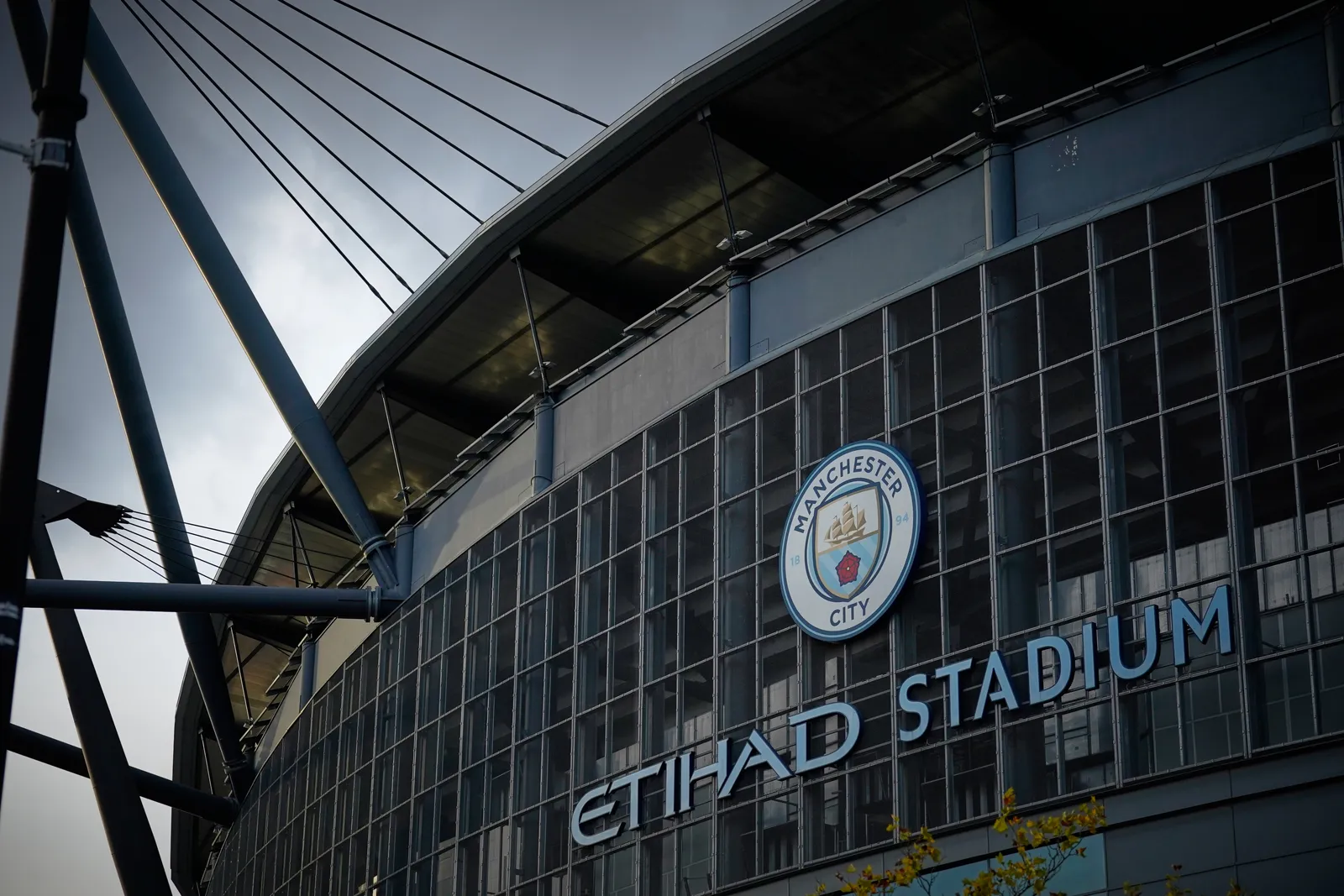
The chair of England's Independent Football Regulator said Tuesday he would resign rather than let political pressure shape sanctions against Manchester City, which has been found guilty of widespread Premier League financial breaches. The pledge raises the stakes for the club's punishment - potentially a massive fine, points deduction, or expulsion - and signals that the regulator will defend its independence.
The chair of England's Independent Football Regulator said Tuesday he would resign if political interference tainted the sanctions process against Manchester City, a red line drawn as the club faces punishment for widespread breaches of Premier League financial rules. The pledge turns the upcoming penalty decision into a test of whether English football's new regulatory regime can operate without political pressure, and it puts the chair's own credibility on the line before a single sanction has been announced.
City have been found guilty of widespread breaches of the Premier League's financial rules, opening the door to punishments that include a massive fine, points deductions, or even expulsion from England's top flight. The chair's resignation threat is a direct response to the political heat surrounding the case, which involves a club with significant international ownership and a decade of domestic dominance. For a regulator still establishing its authority, the vow is a signal that its decisions will be made on regulatory merit, not political convenience.
The Independent Football Regulator, established to oversee English football, holds powers that go beyond the Premier League's own disciplinary process. It can force club owners to sell and can withhold a license, meaning the regulator's reach extends to the very structure of club ownership. That makes the chair's stance significant not just for City, but for every club in the English pyramid, because it demonstrates that the regulator is willing to stake its existence on the integrity of its rulings.
For context, the regulator was created amid growing concerns about the financial sustainability of football clubs and the concentration of ownership in the hands of a few wealthy individuals and states. Across Europe, regulators and governing bodies have been tightening oversight of club finances, from UEFA's financial fair play rules to national licensing systems. England's Independent Football Regulator is among the most powerful, with explicit authority over ownership and licensing, and the Manchester City case is the highest-profile test of that mandate.
The sanctions process now moves forward with the chair's pledge effectively daring any politician to intervene. While the Premier League has its own disciplinary mechanisms, the regulator's licensing power adds a second layer of accountability. A decision to expel City would reshape the competitive landscape of English football, affecting broadcast deals, relegation battles, and the balance of power among the league's top clubs. Even a points deduction could alter the outcome of the title race and the fight for European qualification, sending financial shockwaves through the sport.
For other clubs and their owners, the case sets a precedent that financial rules are being enforced with real teeth. The regulator's ability to force a sale or withhold a license means that ownership structures and spending practices are no longer private matters. Boards across European football should be watching closely, because the outcome will define how aggressively the new regulator polices the sport. The chair's resignation threat also raises the political cost of intervention: any government attempt to shield City would now trigger the collapse of the regulator's leadership, a scenario no politician would want to own.
The strategic stakes extend beyond Manchester. If City face a points deduction, the title race and European qualification spots could shift dramatically, affecting revenue distributions and sponsor obligations across the league. If expulsion is on the table, the financial ripple effects would be felt from broadcast partners to merchandise licensees, and the Premier League's global brand would take a hit. For executives in football and adjacent industries, the message is clear: regulatory independence is not a formality, and the cost of non-compliance can be existential. The chair's willingness to resign over political interference is a reminder that governance credibility is the foundation on which the entire commercial ecosystem of English football rests.
This story's Key Insights and Take-aways are locked.
Create a free account to unlock Executive Actions for one credit.
Register to UnlockAlways free for Executives Club members. Join the Club
More in Business

Elon Musk unveils a flying car, and SpaceX helped build it
The Tesla CEO's showcase at a SpaceX facility signals a future where road and rocket engineering converge.

Apple's $2,000 iPhone Duo opens preorders, taking on Samsung and Google
Apple's first foldable hits the market at a premium price, reshaping a category Samsung and Google have led.

Pope Leo XIV, first American pope, diagnosed with lung cancer
The 71-year-old Chicago-born pontiff underwent successful surgery on his right lung, and his diagnosis raises new questions about his AI-focused papacy and the Vatican's future.