

Sodium-ion batteries enter mass production, Nature says, challenging lithium on price and safety
A July 15, 2026 Nature report says sodium-ion is scaling now, with potential ripple effects for EV supply chains and grid storage.
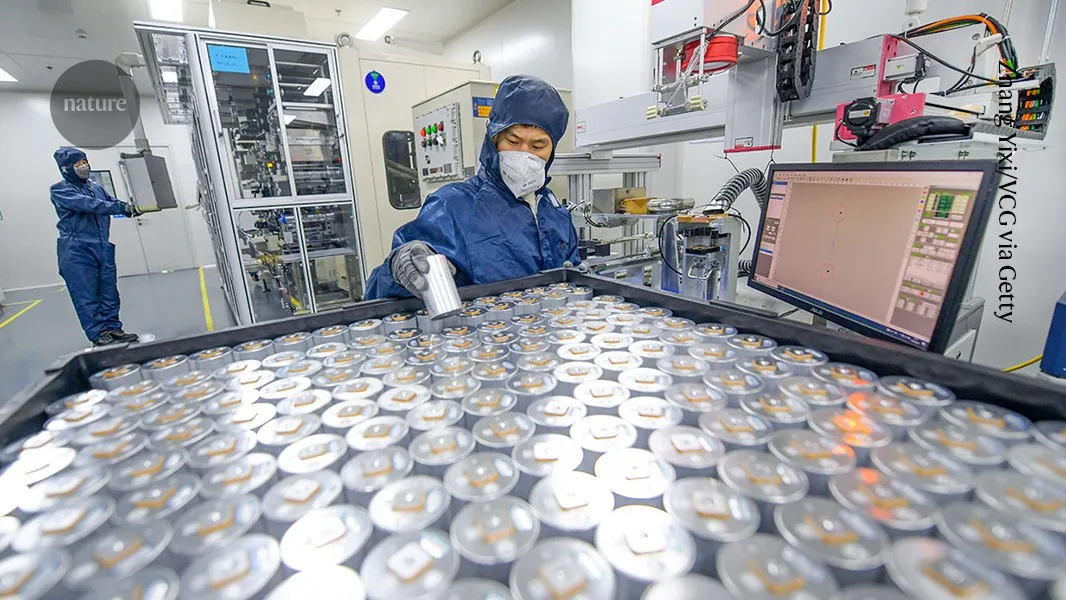
Nature reports that batteries based on sodium ions are entering mass production, and some researchers believe they could be cheaper and safer than lithium. For decision-makers, the shift could rewrite sourcing, product roadmaps, and risk assumptions in electric cars and broader energy storage.
On July 15, 2026, Nature published a report that skips the lab romance and goes straight to industrial reality: sodium-ion batteries are entering mass production. That matters because most battery conversations live in prototypes, pilot lines, and “promising” performance charts. Mass production is a different planet. It means companies are putting money behind a new chemistry, engineering it for manufacturing, and betting that scale can beat the stubborn tradeoffs that have historically kept alternatives to lithium in the “maybe later” bucket.
Nature also frames the real stake for everyone watching energy storage and electric vehicles: some researchers say sodium-ion could ultimately be a cheaper, safer alternative to lithium in electric cars and other energy applications. In other words, the question is not just whether sodium-ion works, but whether it can win on the two dimensions boards care about most. Cost is the obvious one. Safety is the one that quietly becomes existential when you are managing fleet risk, warranty exposure, regulatory scrutiny, and brand trust. Nature’s phrasing is careful, but the implication is blunt: if sodium-ion can clear both hurdles, lithium is no longer the only game in town.
To understand why this is such a big deal, you have to zoom out to how batteries became strategic assets in the first place. Lithium batteries dominated because they hit a difficult sweet spot: high energy density, mature supply chains, and continuous improvements that compound over time. That maturity does not disappear overnight. But it does create a lock-in effect. When a new chemistry starts mass production, it challenges that lock-in. It gives manufacturers, grid operators, and investors a second path that can reduce dependency on a single material and its price swings.
Cost dynamics are usually the first lever that moves when a new chemistry scales. Lithium prices and supply constraints have historically influenced everything from cell pricing to capex schedules. Sodium-ion, built around sodium instead of lithium, changes the input story at the margin. Even if sodium does not magically make batteries free, it can change the risk profile. Boards that have spent years stress-testing battery costs understand why that matters. A credible cheaper alternative can reduce the likelihood that one input market dictates your entire roadmap.
Safety is where the boardroom zooms in. Electric cars and grid-scale storage are not just tech products. They are systems that carry real operational consequences. When Nature says some researchers believe sodium-ion could be a safer alternative to lithium, it points to an outcome that regulators and insurers care about immediately: how likely a battery is to fail in harmful ways, how it behaves under stress, and how it can be managed at scale. Even without specific safety metrics in this Nature item, the direction is clear. Safety improvements are not “nice to have” features in energy. They become licensing arguments, permitting accelerators, and potentially faster approvals for new projects.
There is also a strategic second-order effect executives should notice: scale shifts bargaining power. Once sodium-ion cells and packs move from “we can do it” to “we are doing it,” customers can compare suppliers on more than promises. That can pressure incumbent lithium suppliers on pricing and terms, because large buyers can threaten dual-sourcing or chemistry diversification. It can also change procurement assumptions for companies building energy storage systems, where long-term availability and lifecycle performance drive contract structures.
Regulators and policymakers do not typically wake up and rewrite rules because a new chemistry shows up in a Nature article. But scaling activity is the signal that eventually forces the policy conversation. As sodium-ion manufacturing expands, compliance frameworks for safety testing, transport, recycling, and performance warranties become more concrete. That is how a materials shift turns into a governance shift. The better sodium-ion performs under real-world conditions, the more likely it becomes to show up in procurement requirements, government-backed pilots, and procurement tenders for electrification and grid resilience.
For peers in charge of product, manufacturing, or capital allocation, the strategic stakes are simple. Nature’s report suggests sodium-ion is not waiting on a future breakthrough. It is entering mass production now. If researchers are right about cheaper and safer outcomes for electric cars and energy applications, the time window to evaluate supply chains, partnerships, and technology bets could narrow quickly. In the energy transition, that is how companies win or get left behind: by treating “new chemistry” as an operational decision instead of a headline, and by preparing for the moment customers, regulators, and markets decide that the alternative is ready.
This story's Key Insights and Take-aways are locked.
Create a free account to unlock Executive Actions for one credit.
Register to UnlockAlways free for Executives Club members. Join the Club
More in Science

2026 Nikon Small World Winners Reveal the Hidden Machinery of Everyday Life
A mycologist's frozen Edinburgh garden became the backdrop for vivid views inside cells, a reminder of what advanced imaging now makes visible to researchers and the industries built on biology.

Study: 1 in 4 depression cases may be a body-clock problem, not a chemical one
A 10,000-person study finds standard antidepressants often fail these patients, but melatonin and morning sunlight may hit the real root cause.

Start-Up Says A.I. Designed a Virus to Attack One Patient's Superbug
If the claim holds up, personalized phage therapy could become a new frontline weapon against antibiotic resistance - but proof is far from final.