
Sony’s “ironic” PlayStation disc plan threatens a $7B resale market
A 2013 jab at disc sharing comes back to bite Sony, and it could reshape the secondary market.
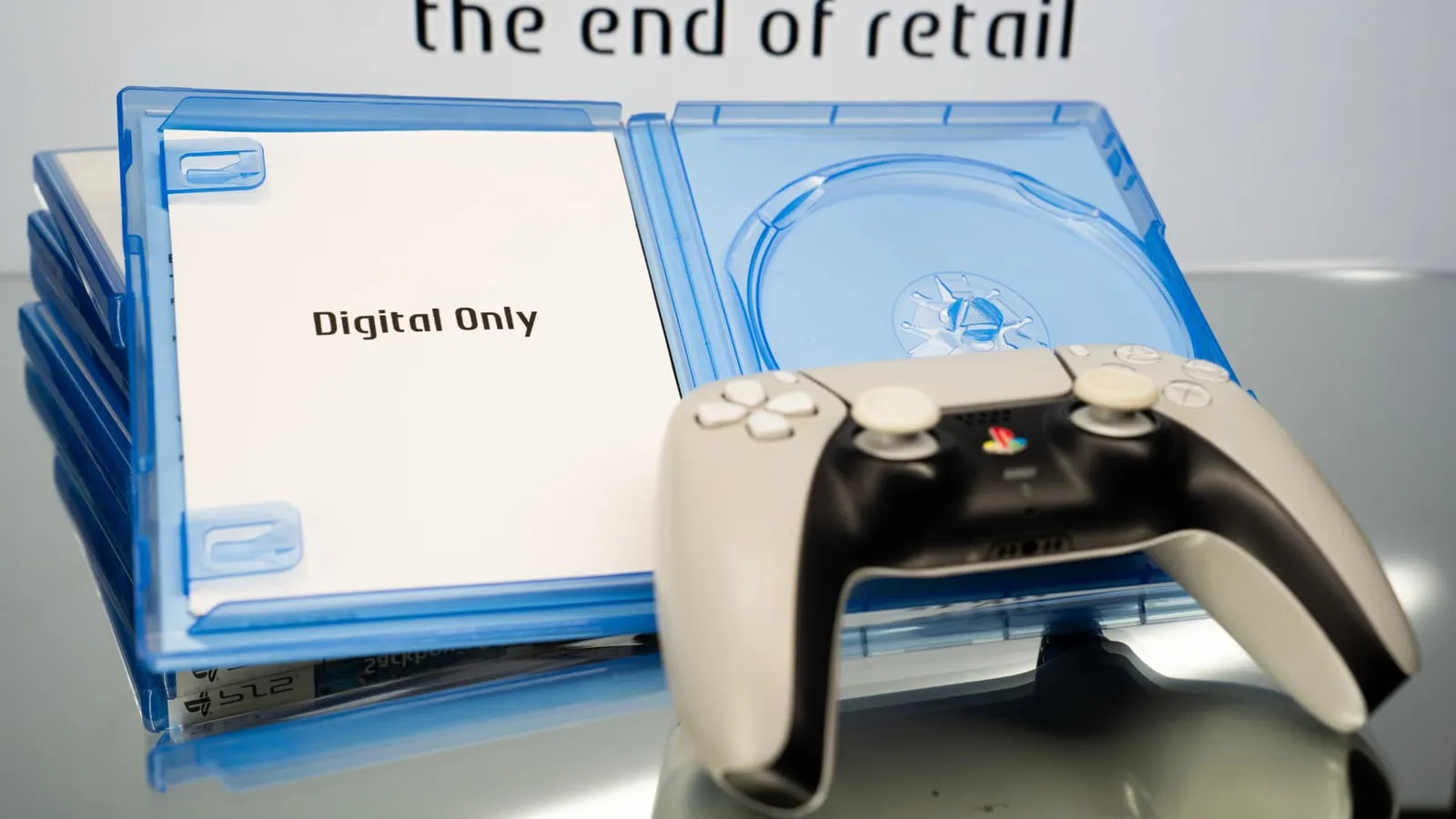
CNBC reports that Sony’s “ironic” PlayStation disc decision has gamers calling out a reversal from Sony’s 2013 approach. The consequence: it threatens a $7 billion resale market, forcing decision-makers to think about incentives far beyond the console box.
Sony’s “ironic” PlayStation disc decision is hitting a nerve because it looks like the company is becoming what it used to mock. CNBC frames the moment as a reversal: back in 2013, Sony tweaked the PlayStation disc ecosystem by demonstrating how easy it was to share a PlayStation disc. That move was presented as a counter to Xbox, which Sony had attacked by showing how sharing could work on PlayStation.
Now, gamers say Sony has flipped the script and become exactly what it mocked. The practical outcome, according to CNBC, is that Sony’s latest approach threatens a $7 billion resale market tied to PlayStation discs. If you are an executive in tech, media, or consumer electronics, this is the kind of business story that is not really about nostalgia. It is about the rules of ownership, the value of physical media, and what happens when those rules shift.
To understand why this matters, zoom out to how console ecosystems typically behave. A console hardware decision is rarely “just hardware.” It carries downstream effects across retail partnerships, digital storefront strategy, and the incentives of secondary markets. When physical discs can be traded, resold, or shared in a straightforward way, that creates an outside option for consumers: buy used, pass along games, and reduce the effective cost of entry into the ecosystem. That outside option can soften demand for first-party digital purchases. But it also can expand the overall installed base and keep players engaged.
CNBC’s setup also points to something more uncomfortable for Sony’s leadership: the company is managing gamer trust while stepping into a debate that gamers think they have already seen before. In 2013, Sony’s message around PlayStation discs and sharing was not subtle. It was essentially a public demonstration of ease and capability. It is that historical context that makes today’s “ironic” label feel earned, at least to the audience CNBC is describing. When the same company changes course, the credibility gap is immediate. Users do not just ask, “What changed?” They ask, “Why did you teach us one thing, then enforce something else?”
There is also a regulatory and legal angle lurking beneath the meme. While the source excerpt does not lay out specific regulator actions, the broader pattern in consumer tech is that physical media ownership and digital access are treated differently in policy discussions. Secondary markets often sit in a gray zone between copyright law, contract terms, and consumer expectations. When companies change how disc-based content behaves, it can draw scrutiny from consumer advocates and can trigger complaints that the practical effect is less “ownership” and more “access.” Even absent any new law in this specific story, the $7 billion resale market stake makes the risk of political attention real. Executives know that once something becomes a consumer fairness fight, the reputational cost can spread beyond the product team.
And then there is the money question. CNBC says Sony’s decision threatens a $7 billion resale market. For boards and CFOs, that number is a reminder that revenue is not the only goal. Indirect revenue drivers matter too: customer acquisition cost, churn, and lifetime value. Secondary markets can support the ecosystem by keeping games circulating and bringing more players into the platform. At the same time, a strong resale market can reduce demand for new discs and certain digital equivalents. Sony is likely weighing tradeoffs: protect long-term monetization by tightening disc-related behavior, or accept resale leakage in exchange for broader ecosystem strength.
The “second-order” wrinkle is that primary and secondary markets interact. If Sony’s disc decision reduces the value or usability of used games, it does not just hit resellers. It can also change how retailers stock inventory and how gamers decide to buy at release versus wait. It can also alter competitive dynamics: Microsoft, Nintendo, and PC ecosystems do not exist in a vacuum. If consumers believe one platform is becoming “less transferable,” they may shift future purchasing decisions, which can ripple into content partner negotiations and marketing spend efficiency.
That is why CNBC’s story should matter even if you are not a PlayStation loyalist. The headline idea is simple: a company’s attempt to reshape how media works can trigger backlash not only from gamers, but from the entire secondary economy built around those media rules. When Sony becomes the “exactly what it mocked” case, the strategic stake becomes trust. Trust is expensive to earn and easy to lose. And the $7 billion resale market number makes clear that this is not a small change. It is a potential re-pricing of value in the gamer world.
This story's Key Insights and Take-aways are locked.
Create a free account to unlock Executive Actions for one credit.
Register to UnlockAlways free for Executives Club members. Join the Club
More in Business

Anthropic’s Levant Alpöge cracks the Jacobian conjecture after 87 years
A Harvard valedictorian used Claude to hit a 1939 breakthrough, but the missing “why” is the real problem.

Uber buys Delivery Hero for nearly $15B, vaulting to top food delivery outside China
The deal doubles Uber's dual-services footprint and pushes a ride-and-eats bundling play into 50 more markets.

Epic and Google drop settlement bid, forcing rival Android app stores by July 22
Google told the court it is ready to carry third-party app stores starting Wednesday, July 22.