
South Texas confirms first U.S. screwworm breach, jolting cattle industry
A confirmed New World screwworm case in a 3-week-old calf raises biosecurity, livestock, and border-response stakes for ranchers and policymakers.
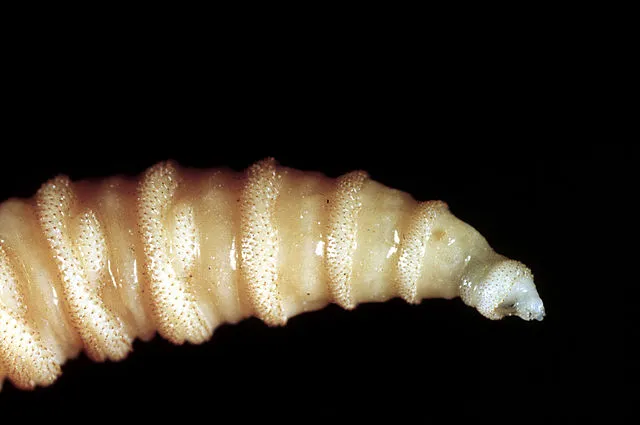
The US Department of Agriculture confirmed a New World screwworm infection in a 3-week-old calf in Zavala County, Texas, marking the first detected breach of the US-Mexico border by the flesh-eating fly. For ranchers, agribusiness executives, and policymakers, the case turns a long-running regional animal-health threat into an immediate US containment problem.
The US Department of Agriculture has confirmed a New World screwworm infection in South Texas, and the detail that matters most is simple: this is the first detected breach of the US-Mexico border by the flesh-eating flies. The infected animal was a 3-week-old calf in Zavala County, Texas, and Agriculture Secretary Brooke Rollins later said the testing had confirmed the infection after a sample from Texas was sent to the National Veterinary Services Laboratories in Ames, Iowa. For anyone whose business touches cattle, ranch land, animal health, or cross-border supply chains, this is the moment a regional threat became a US problem.
That is why the reaction in the cattle industry was already building before the confirmation landed. Chatter about a screwworm detection had been circulating this week, and that alone was enough to rattle the US cattle industry. The source does not spell out price moves, shipment disruptions, or policy changes, but the significance is obvious: when an animal disease known for eating flesh reaches US soil, even a single confirmed case can force ranchers, veterinarians, regulators, and buyers to start asking the same question at once - how far did it spread, and who needs to act first?
For context, New World screwworm is not your average livestock headache. The source calls it a ravenous flesh-eating fly, and that is not just gruesome language for effect. In practical terms, animal-health threats like this matter because they can create fast-moving operational risk: ranchers have to monitor herds more closely, animal-health officials may need to trace exposure, and the wider beef supply chain has to think about containment before the problem compounds. The fact that the confirmed sample came from a calf also matters, because calves sit at the center of cattle operations and are often among the most closely watched animals on a ranch.
The geography is the other big clue. The case appeared in South Texas, specifically Zavala County, and came after screwworms had been making their way up through Central America for the past several years. That progression matters because it shows how biosecurity threats do not stay neatly inside borders or spreadsheets. They move with biology, trade, travel, and weather, then force governments to respond after the fact. The USDA's confirmation suggests the monitoring system is active, but it also underlines the hard part of animal disease control: detection does not prevent the initial breach, it only starts the race to contain it.
The USDA's process here also shows how these events move from suspicion to official action. On Wednesday afternoon, the agency said on social media that a sample from Texas had been sent to the National Veterinary Services Laboratories in Ames for confirmatory testing. Later, Rollins posted that the infection had been confirmed. That sequence is routine in one sense and nerve-racking in another. Regulators often have to balance speed and certainty, especially when a potential outbreak could affect farms, markets, and public confidence. For executives, the lesson is that the first signal is rarely the final answer, but waiting for final confirmation can mean losing precious time.
That is the strategic takeaway for anyone running a ranching operation, livestock business, or adjacent supply-chain company. A single confirmed infection in Zavala County is not the same as a widespread outbreak, and the source does not report broader spread. But the first confirmed US breach changes the baseline for decision-making. It raises the value of surveillance, reporting, and coordination with animal-health authorities. It also puts pressure on companies and local operators to review how quickly they can spot unusual symptoms, communicate up the chain, and protect herd health before a manageable case becomes a much more expensive one. In other words, the alarm has officially gone from theoretical to real, and for this industry, that is a very different kind of Wednesday night news.
This story's Key Insights and Take-aways are locked.
Create a free account to unlock Executive Actions for one credit.
Register to UnlockAlways free for Executives Club members. Join the Club
More in Technology

OpenAI says 10,000 agents cracked a 90-year math problem in 88 hours
The company's claim is audacious, but one mathematician is pushing back. Here's what it means for AI-driven discovery.

Meta still serves child sexual abuse ads on Instagram in India - BBC report
A new report following the BBC Eye investigation says the ads are still there - what it signals for every platform with a self-serve ad engine.
White House yanks 'Build the Wall' game after Tetris Company copyright warning
The administration's arcade game vanished in hours - and the takedown playbook every brand can learn from.